
%402x.svg)
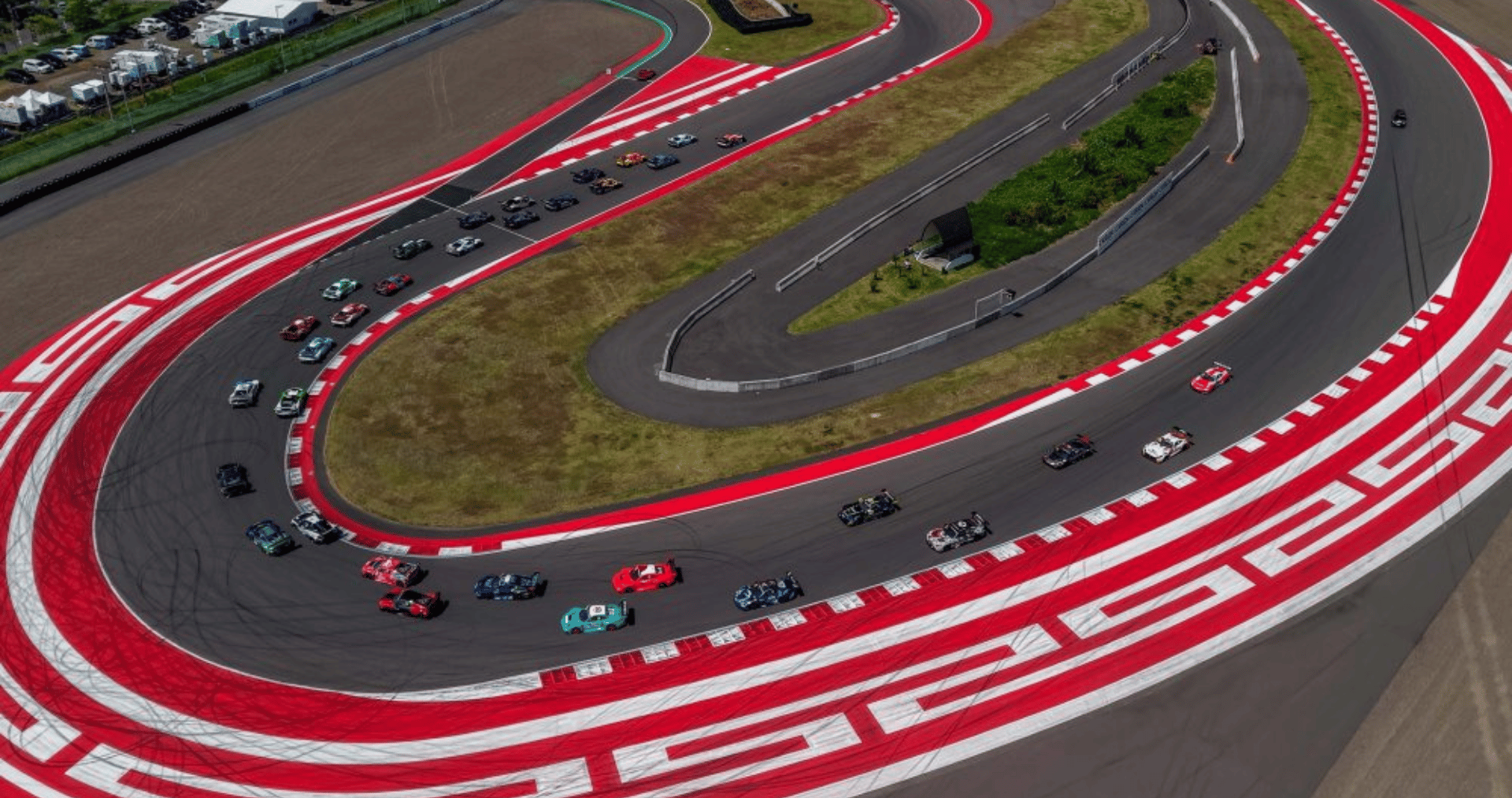
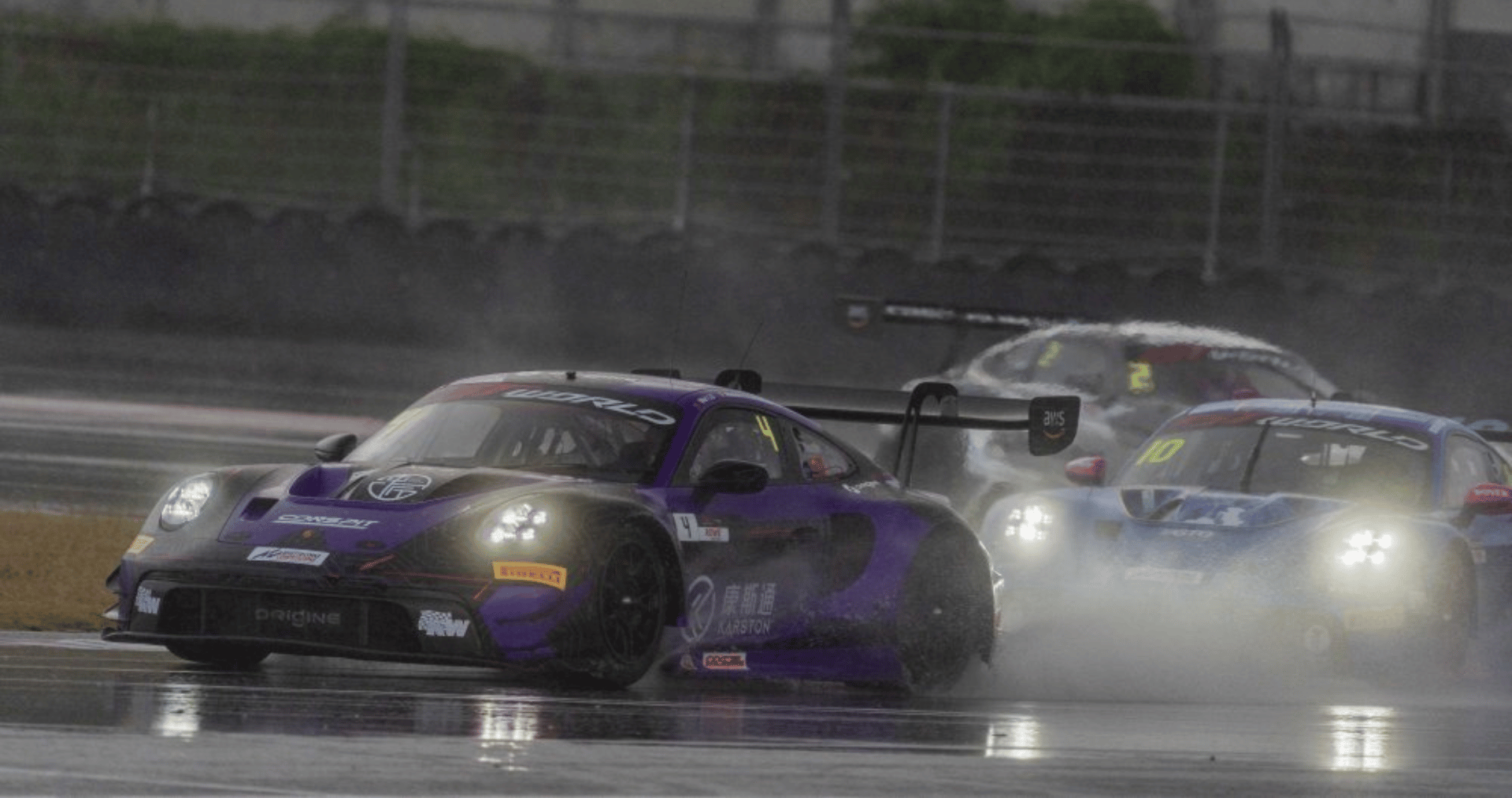
Between 1–3 May 2026, the sound of GT3 engines will return to the southern coastline of Lombok as the GT World Challenge Asia once again takes place at the Pertamina Mandalika International Circuit.
The return of the event signals more than the continuation of a racing calendar. It reflects a pattern that has been building gradually, the steady positioning of Lombok as part of a wider network of international destinations shaped by sport, tourism, and cultural identity.
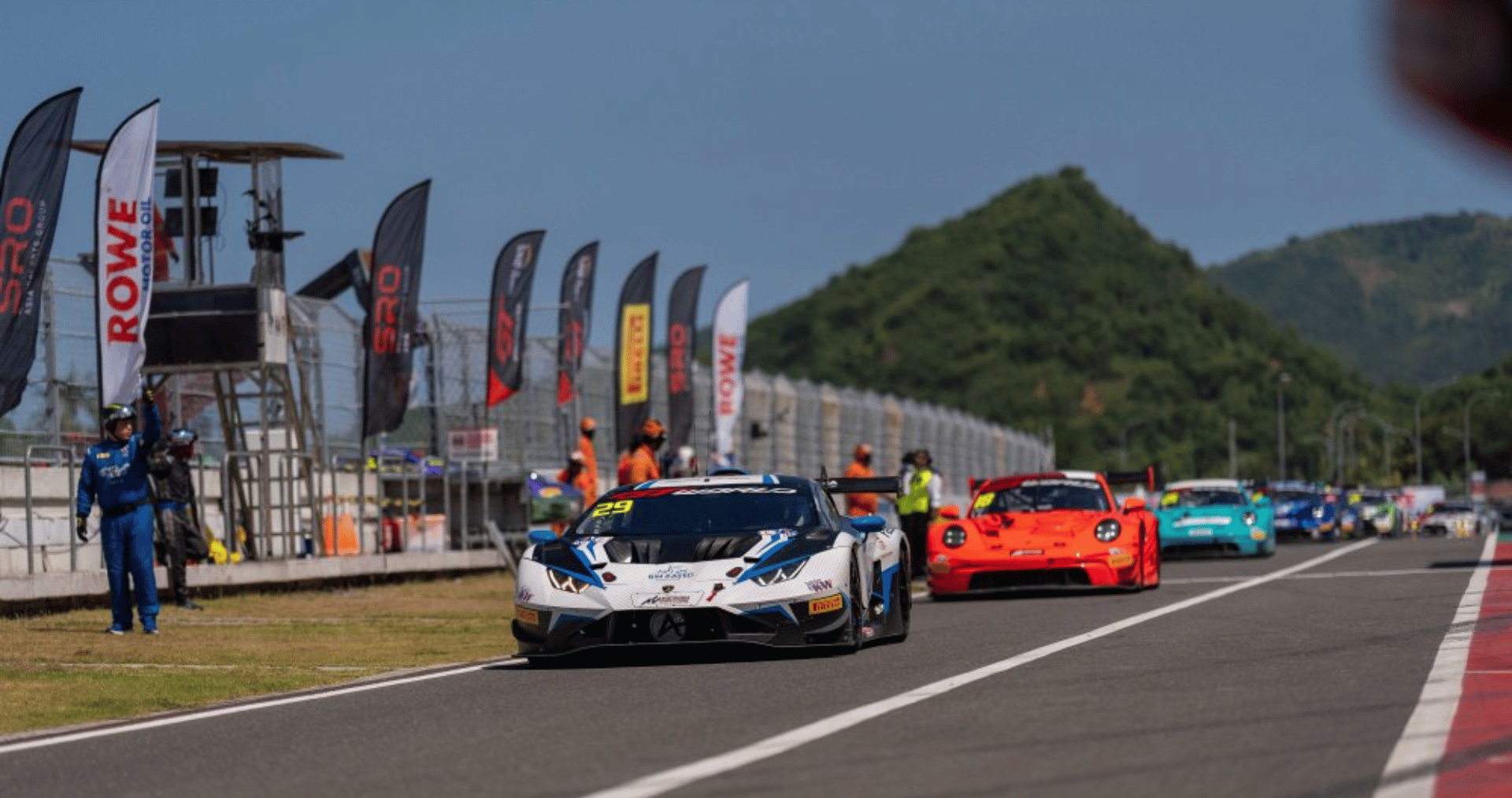
In recent years, this positioning has not been driven by a single moment, but by repetition. Events return. Infrastructure improves. Recognition grows incrementally. Over time, what was once occasional becomes expected.
And with that consistency, the destination begins to take on a more permanent place in the global landscape.
Read More: Why the World's Wealthiest Investors Are Choosing Remote Lombok Locations Over Kuta's Tourist Strip
Beyond Motorsport: A Layered Experience
While GT World Challenge Asia is, at its core, a motorsport event, its presence in Mandalika has evolved into something broader.
The 2026 edition brings together high-performance racing with a cultural programme that reflects Indonesia’s identity. The opening ceremony is designed as a coordinated performance involving hundreds of local talents, drawing on national symbols and regional heritage.
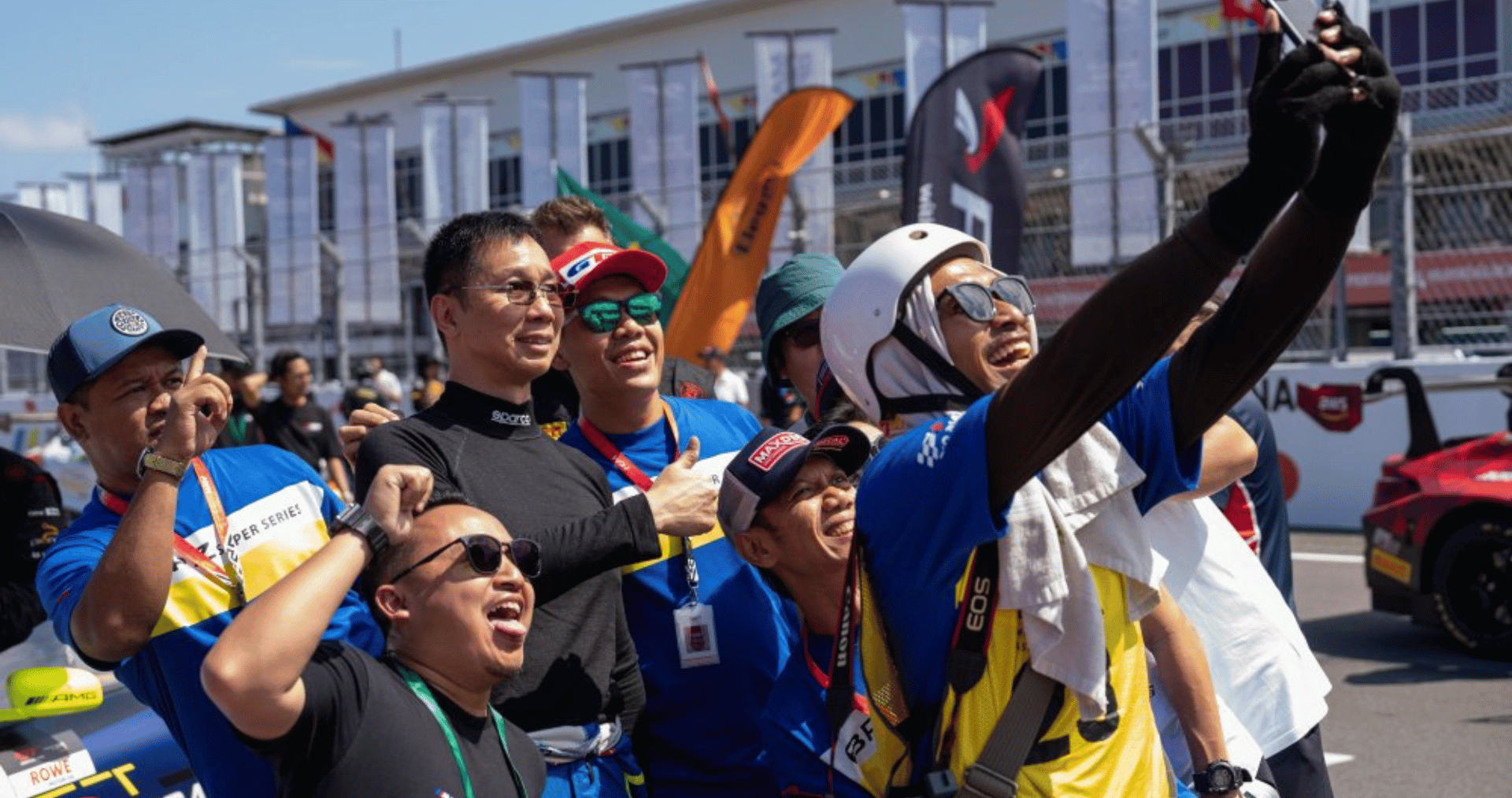
Visual elements inspired by Mount Rinjani, Mount Tambora, and the Indonesian flag form part of the experience not as decoration, but as context.
The intention is not to separate sport and culture, but to allow them to exist together.
For visitors, this creates a more complete experience — one that extends beyond the circuit and into a clearer sense of place.
A Consistent International Presence
Within the GT World Challenge Asia calendar, Mandalika is no longer a one-time inclusion.
The 2026 season is expected to feature around 23 GT3 cars and 46 drivers from approximately 17 countries, including Japan, China, Australia, France, and the United States.
This level of participation places Mandalika within a competitive international framework. Not as an emerging host, but as one that is increasingly recognised.
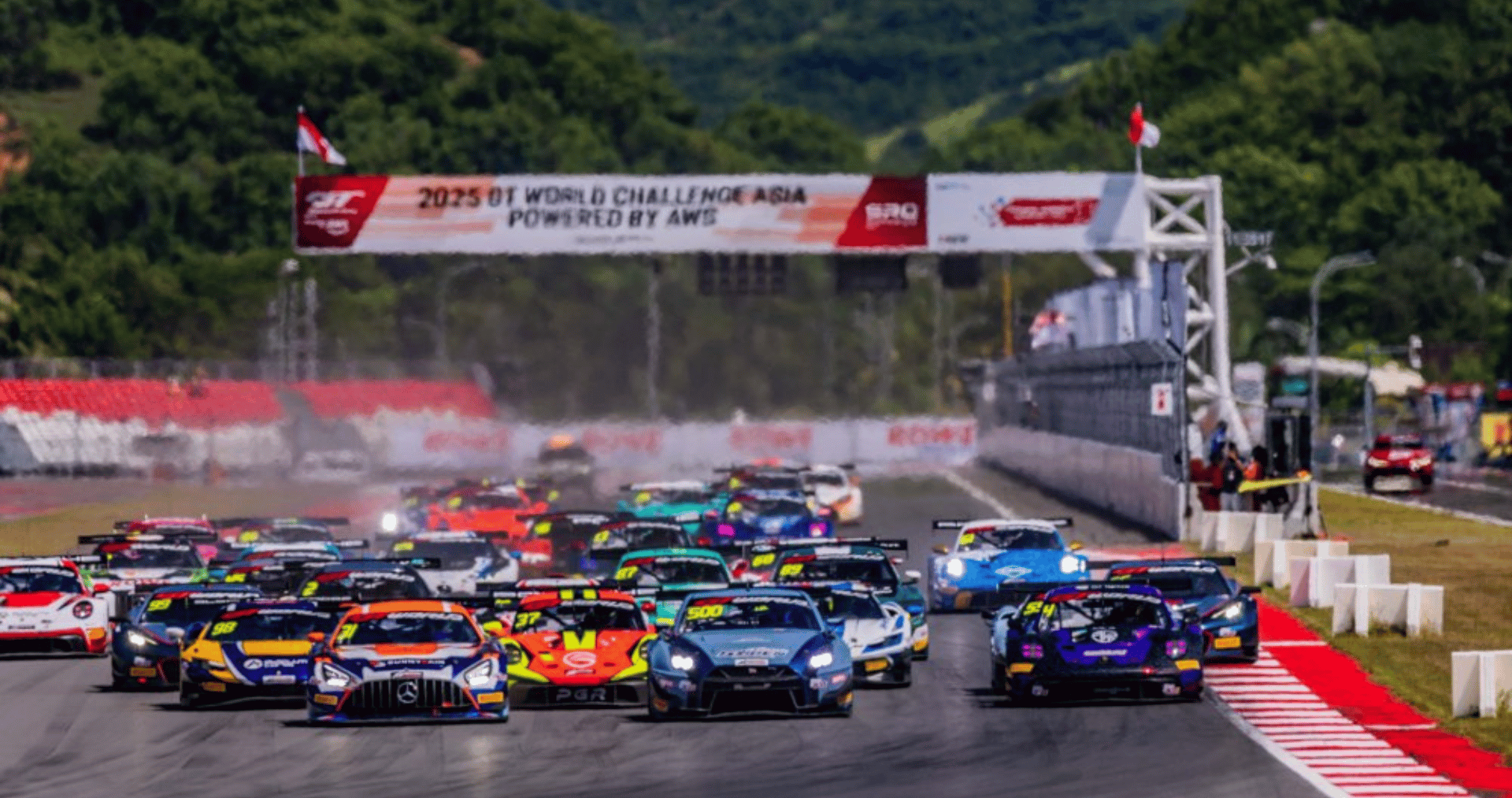
What differentiates the circuit, however, is its setting.
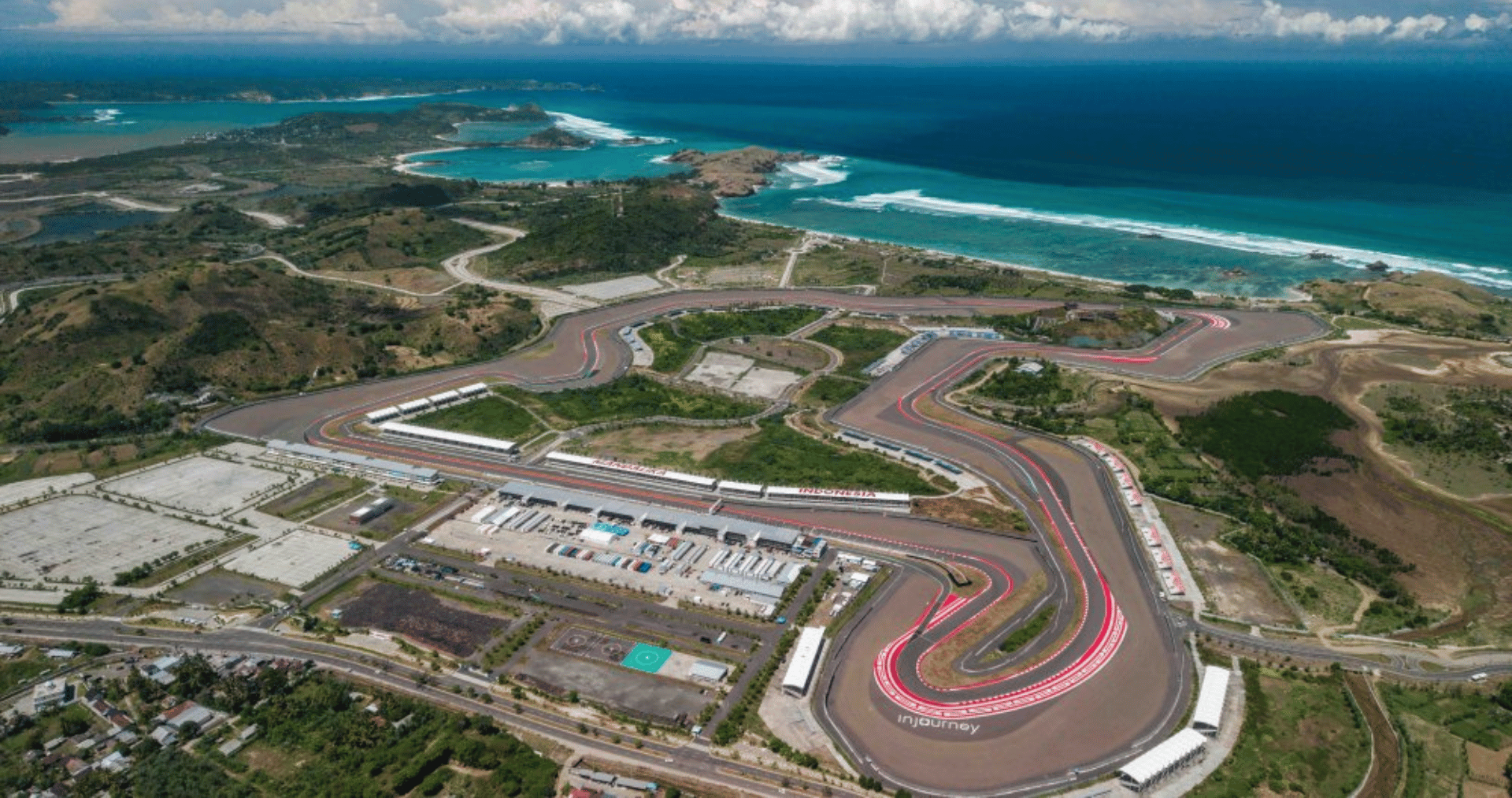
Positioned along Lombok’s southern coastline, the track is framed by ocean views and surrounding hills. The landscape remains visible, even during competition. It is a reminder that the circuit is not isolated from its environment, but part of it.
Over time, this has become part of its identity.
Economic Impact and Regional Momentum
Events of this scale bring immediate economic activity.
Previous editions have attracted thousands of visitors over a single weekend, alongside strong digital engagement across international audiences. Accommodation demand rises, local businesses see increased activity, and service sectors expand to support operations.
But the more meaningful impact is cumulative.
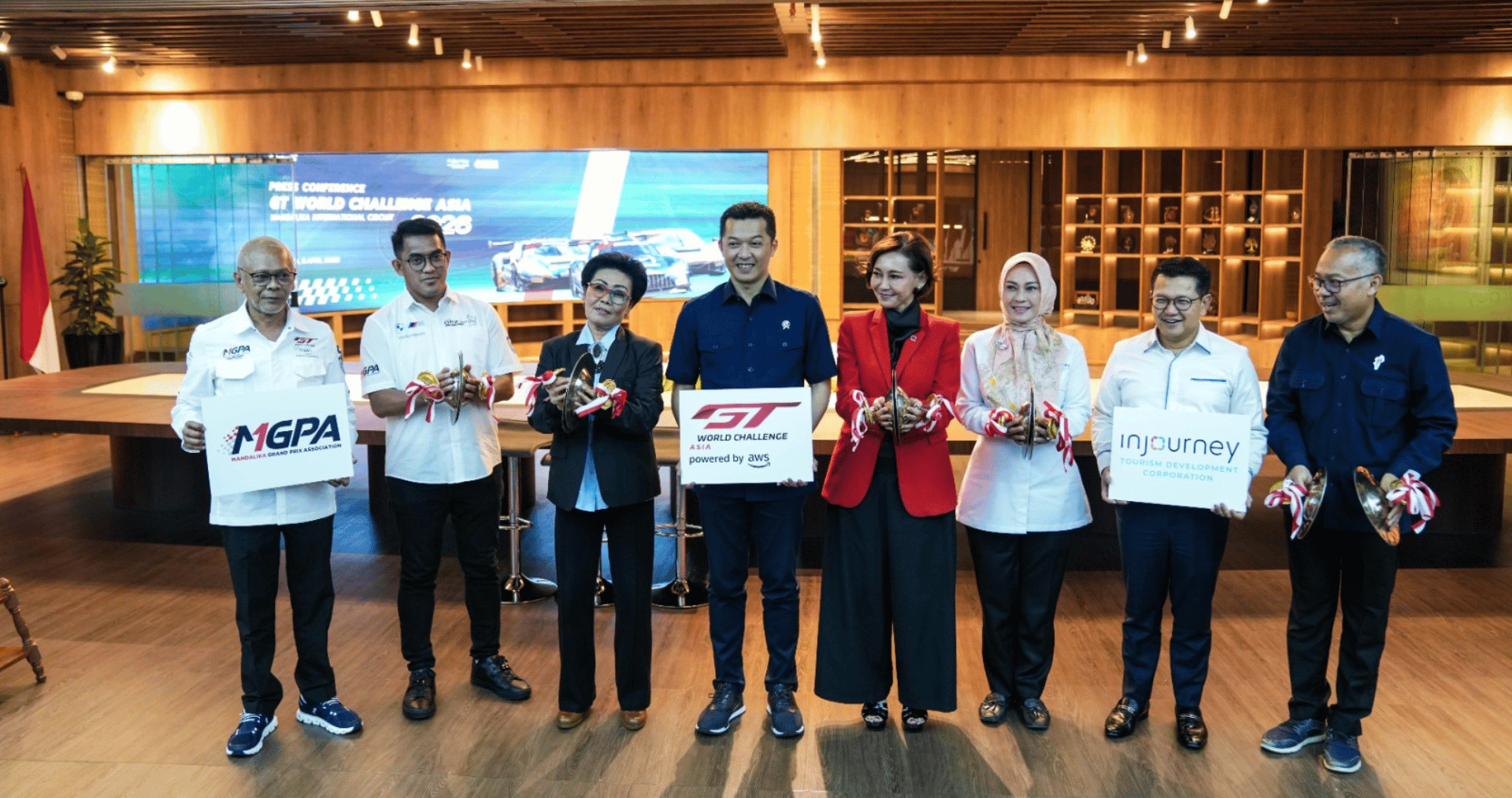
When events return consistently, they begin to shape systems. Local businesses adapt. Workforce participation increases. Infrastructure is used more efficiently.
Rather than a single spike, the result is a gradual strengthening of the local economy.
Infrastructure and Long-Term Positioning
Behind every successful international event is a less visible foundation infrastructure.
Access, logistics, utilities, and operational systems rarely draw attention when they function well. Yet they determine whether a destination can sustain international engagement over time.
In Mandalika, improvements in connectivity and facilities have been gradual, but consistent.
Travel has become easier. Operations more reliable. Movement more predictable.
Importantly, this growth has remained measured.
The area has not expanded beyond its capacity. Instead, development has followed usage, allowing the destination to scale without losing coherence.
From a long-term perspective, this balance is what stabilises value.
Sport Tourism as a Structural Driver
The return of GT World Challenge Asia reflects a broader shift toward sport tourism as a long-term strategy.
Destinations are no longer relying solely on seasonal leisure travel. Instead, they are integrating events that bring visitors with specific intent.
Motorsport attracts a distinct audience one that travels with purpose, often combining short-term visits with repeat attendance.
In Mandalika, this complements existing tourism patterns.
Visitors arrive for the event, but often extend their stay. Over time, this creates a more diverse and resilient visitor base.
A Destination Still in Formation
Despite growing international visibility, Lombok remains in a phase of development.
Mandalika represents one part of that trajectory structured, internationally connected, and event-driven.
Beyond it, the island continues to evolve at a different pace.
Coastal areas develop gradually. Hospitality expands selectively. Infrastructure extends over time rather than all at once.
This creates a layered dynamic.
Instead of a single centre, Lombok is forming through multiple areas, each contributing to its identity.
Looking Ahead
The return of GT World Challenge Asia in 2026 reinforces a pattern that is becoming clearer with each passing year.
Lombok is not developing through sudden shifts, but through consistency.
Events return. Systems improve. Recognition builds.
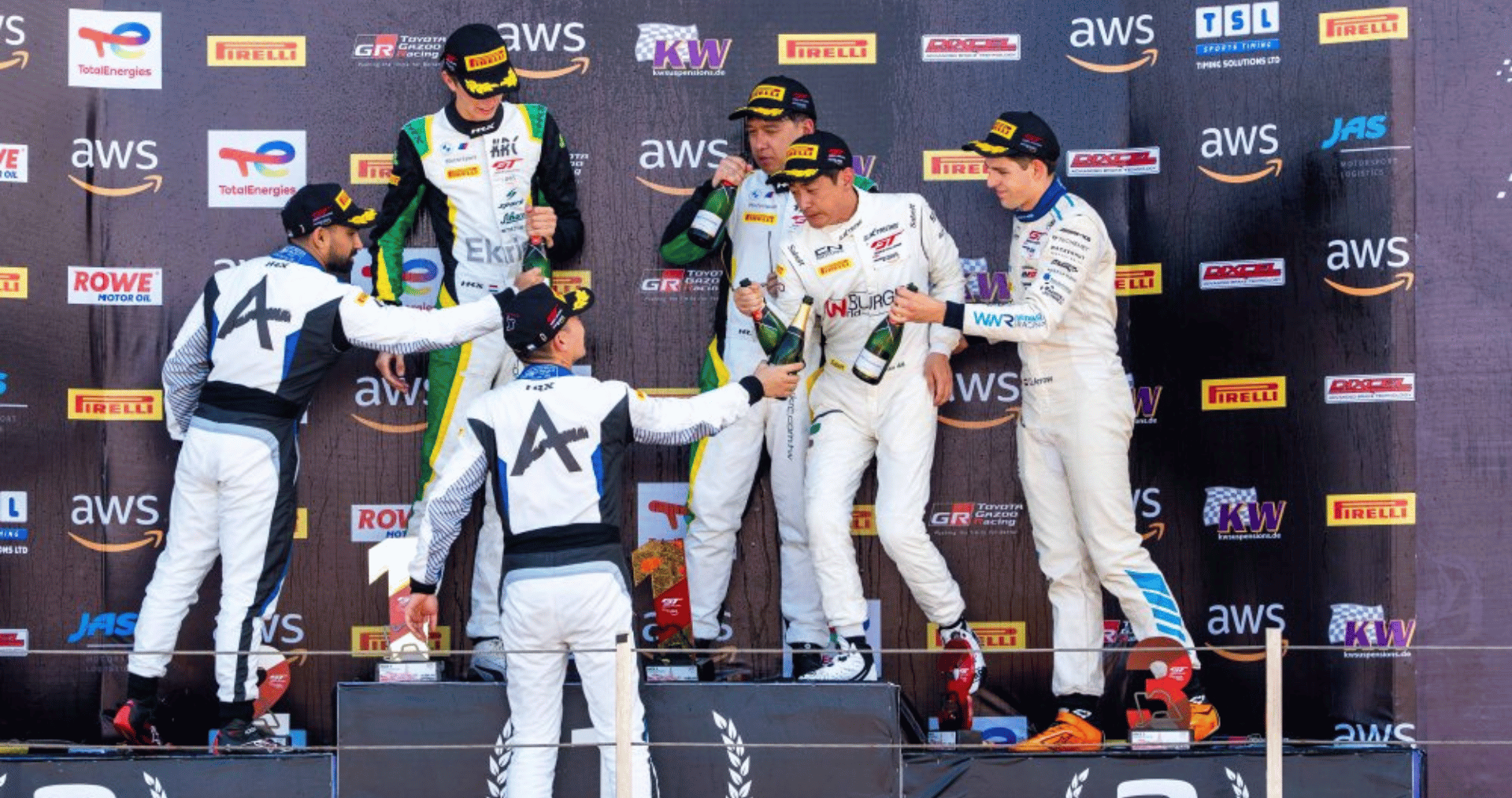
And over time, this continuity begins to define the destination.
Not through visibility alone, but through repetition the kind that signals something more stable taking shape.
Frequently Asked Questions
- What is GT World Challenge Asia Mandalika 2026?
An international GT3 racing event held at Mandalika Circuit from 1–3 May 2026. - Where is Mandalika Circuit located?
In The Mandalika, Lombok, Indonesia. - Why is Mandalika important for tourism?
It supports Lombok’s development as a global sport tourism destination.


%402x%20(dark).svg)
%402x%20(dark).svg)

%402x.svg)


