
%402x.svg)
Most people think of design as something visual.
Materials. Styling. Aesthetic choices.
But in reality, good design decisions go much deeper than appearance. In hospitality and residential developments, architecture directly influences privacy, views, operational longevity, guest experience, and ultimately, long-term property value.
That is especially true in emerging destinations like Lombok, where the way a project is planned today will determine how well it performs years from now.
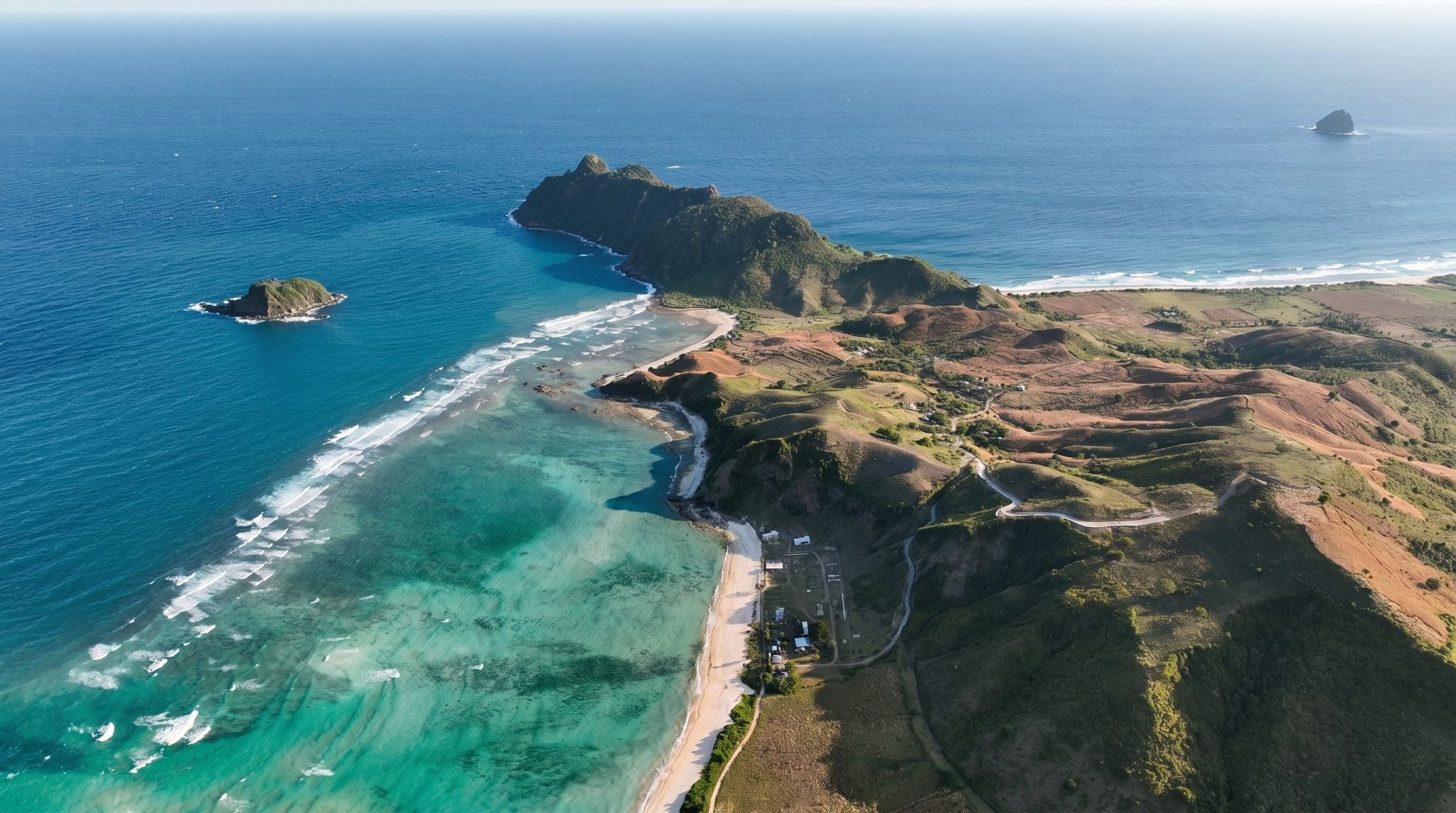
At Awanara Pengantap — a new hillside development in South Lombok created in partnership with MyShrine Studios — the architectural direction was approached as a long-term framework rather than a collection of visual ideas.
The result is a development philosophy centred around restraint, landscape integration, privacy, and sustainable tropical villa design in Lombok.
Design is not decoration
In many developments, design is treated as surface-level — something applied at the end of the process.
But strong projects approach it differently.
Design becomes the structure behind how the entire development functions:
- how villas relate to one another
- how views are protected
- how circulation feels
- how privacy is maintained
- and how the project ages over time
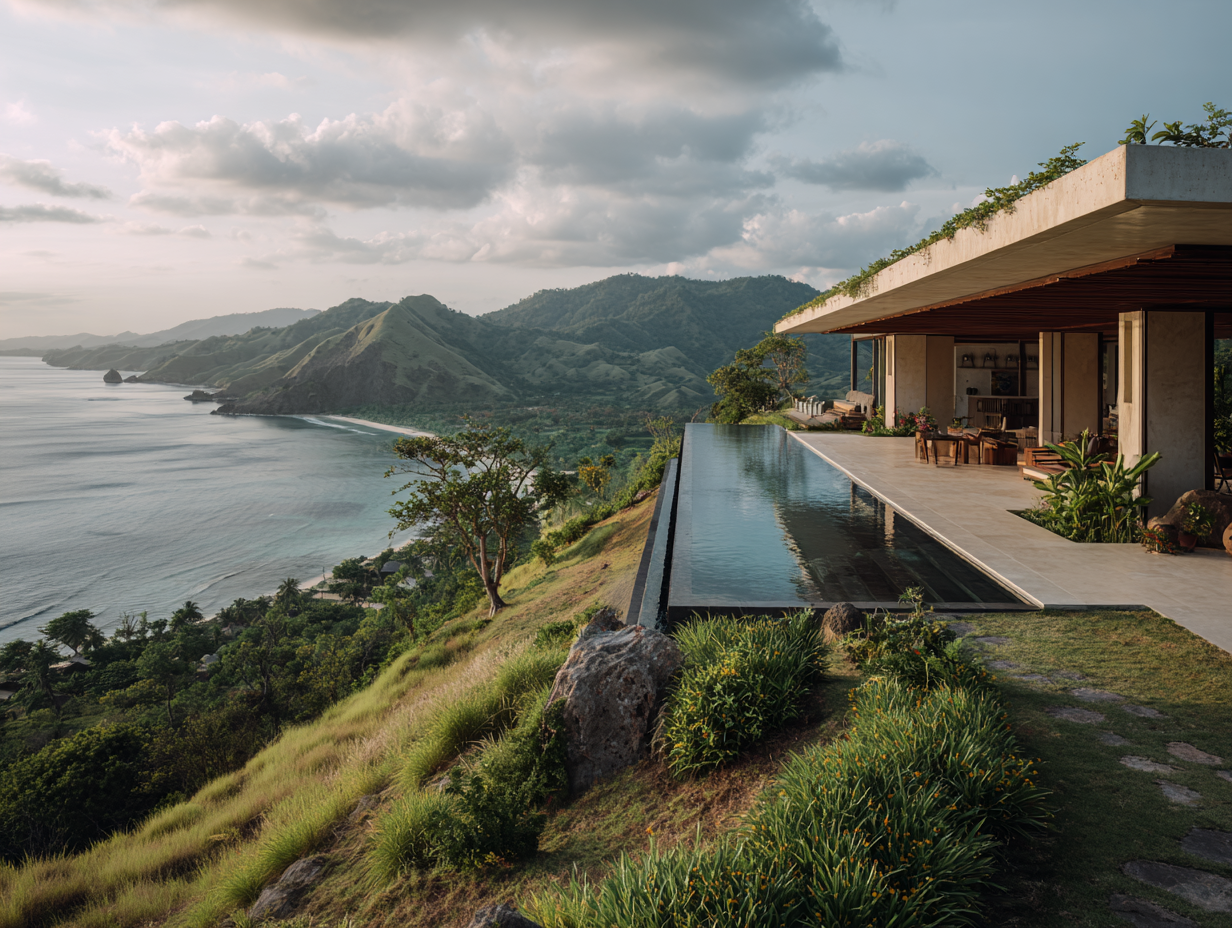
At Awanara, the approach begins with the land itself. The development philosophy prioritises “landscape before building,” simplicity over complexity, and permanence over trends.
This is one of the most overlooked architectural principles for tropical developments — especially on sloped coastal land.
Building with the land, not against it
One of the defining aspects of the project is its contour-led planning strategy.
Instead of forcing a rigid grid across the hillside, the masterplan follows the natural topography through a staggered cluster approach designed specifically for sloped terrain.
This allows for:
- unobstructed ocean views
- stronger natural privacy
- reduced environmental disruption
- lower retaining wall impact
- and more efficient drainage management
Only a limited portion of the site is allocated to building coverage, while substantial green corridors are preserved throughout the development.
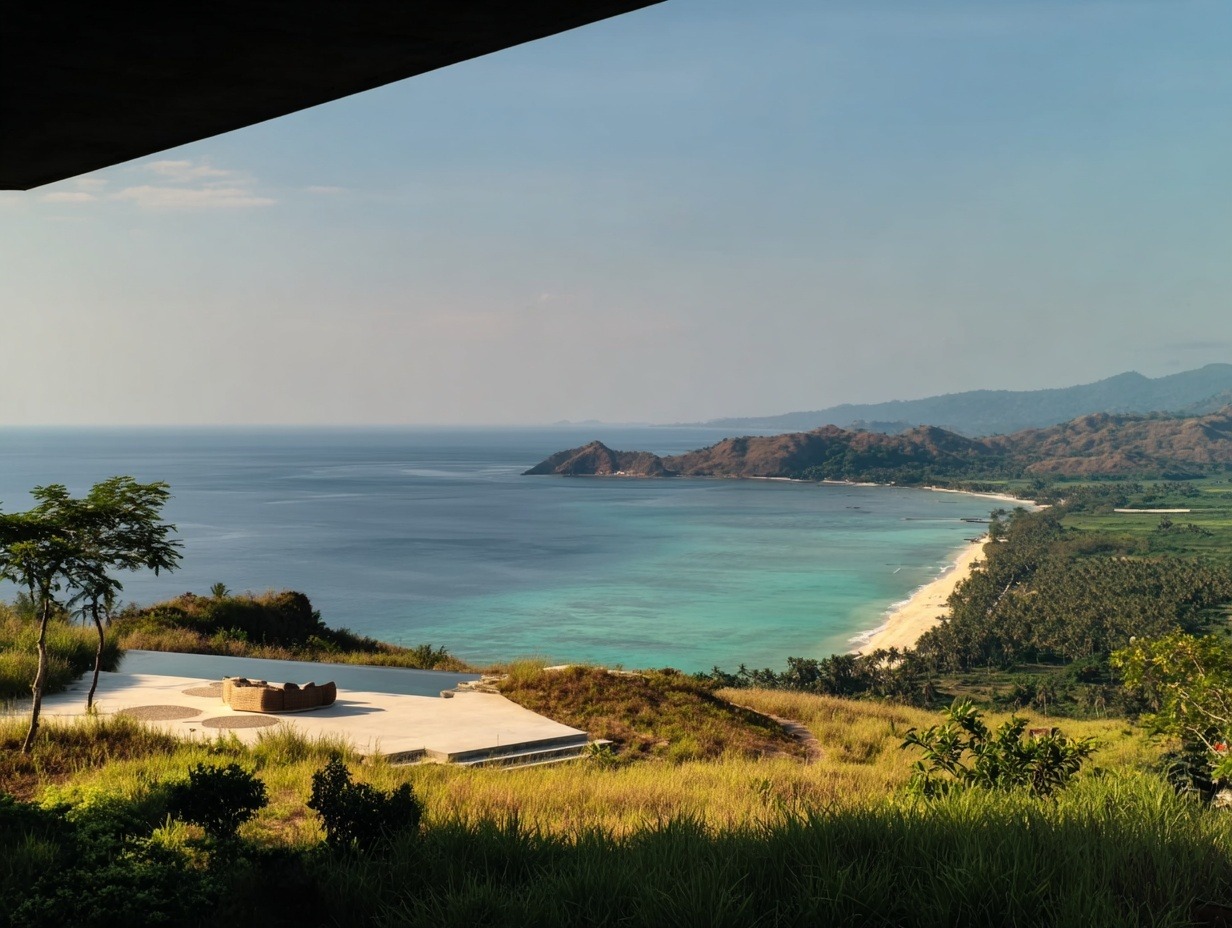
This approach matters because how developers design villas on sloped land directly affects both sustainability and long-term desirability.
Projects that ignore terrain often create:
- blocked views
- poor drainage
- overheating
- privacy issues
- and visual overcrowding over time
By contrast, contour-led tropical villa design in Lombok allows the architecture to feel embedded into the landscape rather than imposed on it.
Privacy is not a luxury — it’s expected
One of the strongest indicators of long-term value in resort-style developments is privacy.
In hospitality environments, guests are not simply paying for a structure — they are paying for the feeling of retreat.
That principle heavily informed the planning of Awanara Pengantap. The guidelines establish:
- horizontal staggering between villas
- vertical setbacks between levels
- controlled sightlines
- and landscape buffering between plots
The goal is simple: every villa should feel independent, even within a larger estate.
This becomes increasingly important as destinations mature. Many fast-growing tropical developments lose value over time because density eventually compromises the guest experience.
Understanding how to maintain privacy in villa developments is therefore not just an architectural issue — it is an investment consideration.
Restraint over excess
Another defining principle behind the project is restraint.
The architectural direction avoids:
- decorative excess
- trend-driven styling
- overly complex forms
- and visually aggressive materials
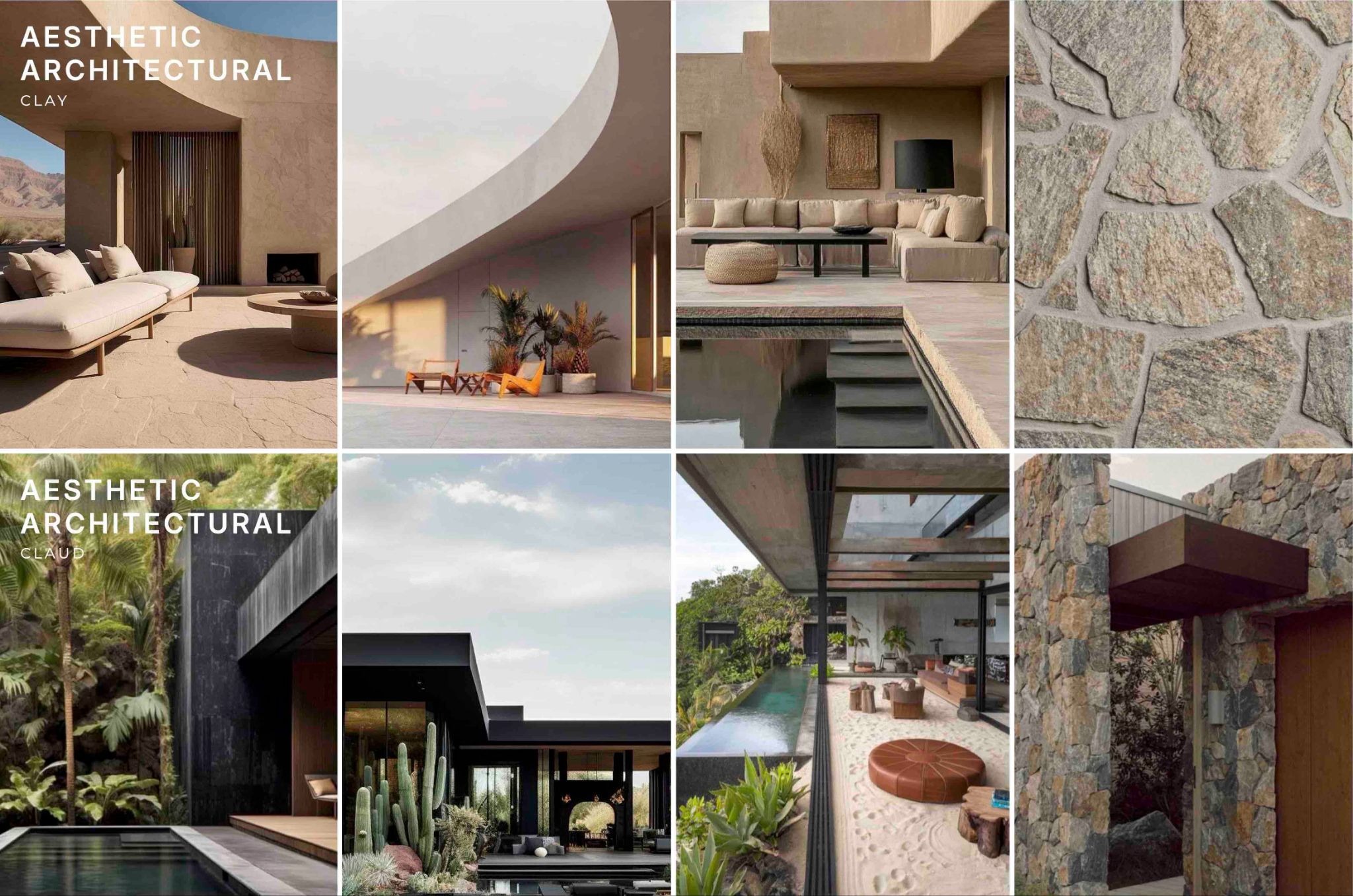
Instead, the focus is placed on:
- horizontal massing
- muted earth tones
- matte finishes
- natural stone
- textured surfaces
- and timeless tropical forms
The intention is not for the architecture to dominate the landscape, but to coexist with it.
This approach reflects a broader shift happening within luxury villa design in Lombok and sustainable resort design in Indonesia — where long-term relevance increasingly matters more than visual novelty.
Projects that rely heavily on trends often age quickly. Developments built around simplicity, proportion, and environmental integration tend to retain stronger appeal over time.

Interior design as an extension of architecture
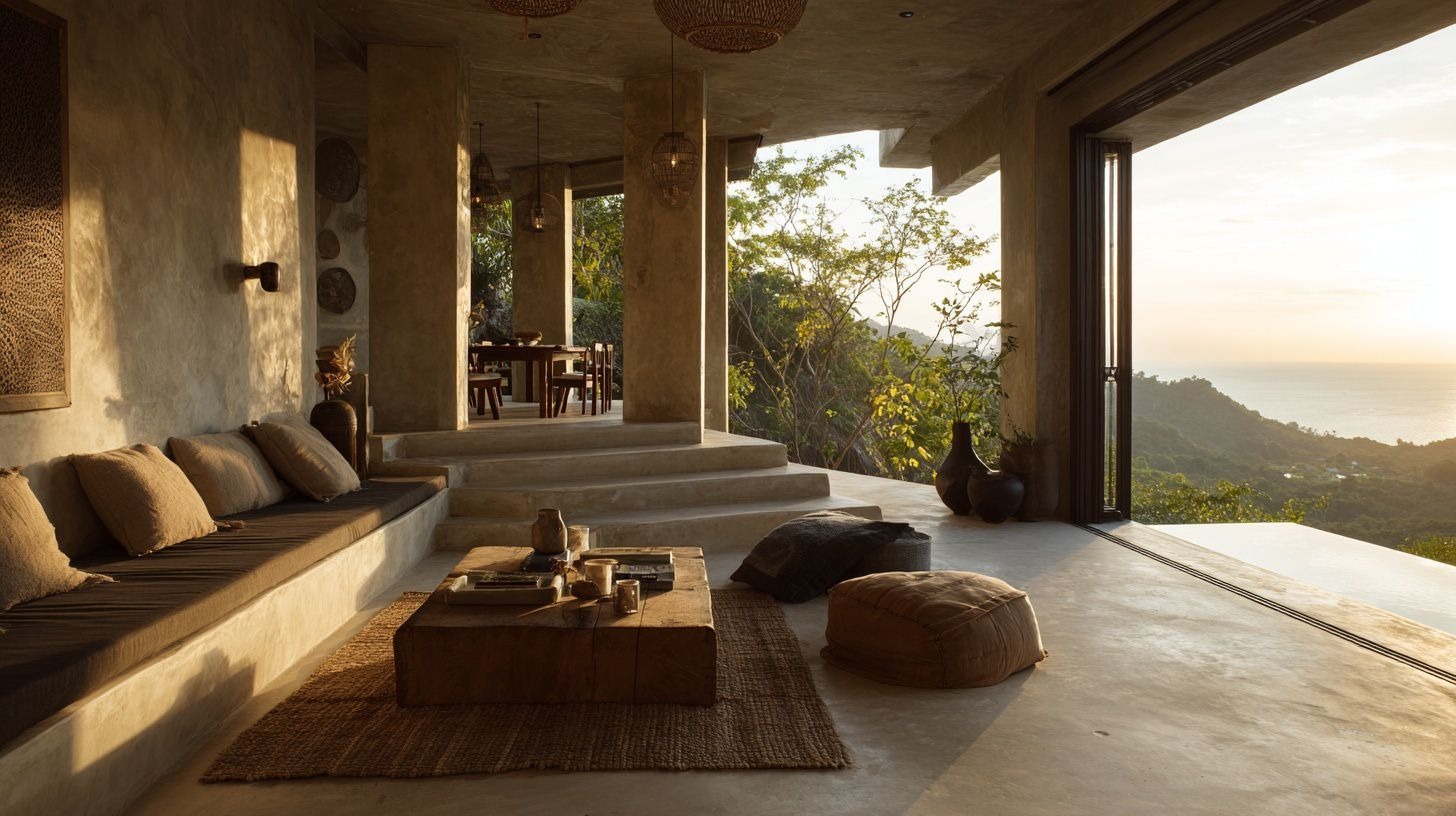
Awanara's interior philosophy follows the same principles that guide the architecture: restraint, longevity, and a strong connection to the surrounding environment. Rather than relying on trend-driven styling or decorative excess, the interiors are designed to feel like a natural continuation of the building itself. Spaces are shaped by calm spatial flow, earth-based tones, matte finishes, and durable natural materials chosen to perform well over time.
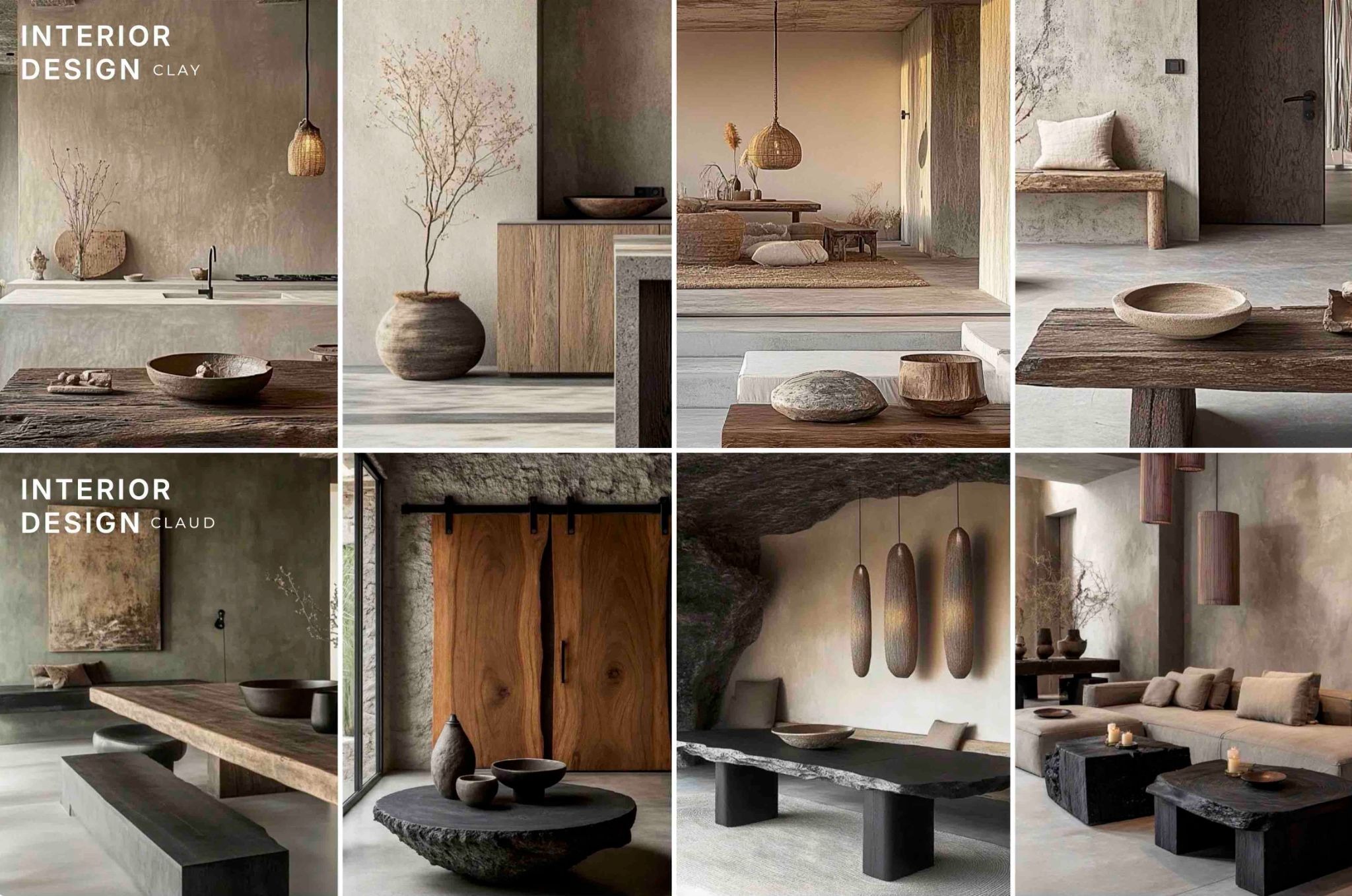
The objective is not to create interiors that compete for attention, but environments that feel grounded, functional, and timeless. Open-plan living areas, natural textures, visible material authenticity, and carefully controlled palettes help create a sense of cohesion between interior and exterior spaces. By prioritising durability and simplicity over short-lived trends, the design aims to deliver spaces that remain relevant, comfortable, and visually consistent for both homeowners and guests for years to come.
Design affects value more than most investors realise
One of the least discussed aspects of real estate development is how design affects property value in resorts long after construction is complete.
Inconsistent architecture, poor planning, blocked sightlines, excessive density, and short-term styling decisions can gradually erode both desirability and resale value.
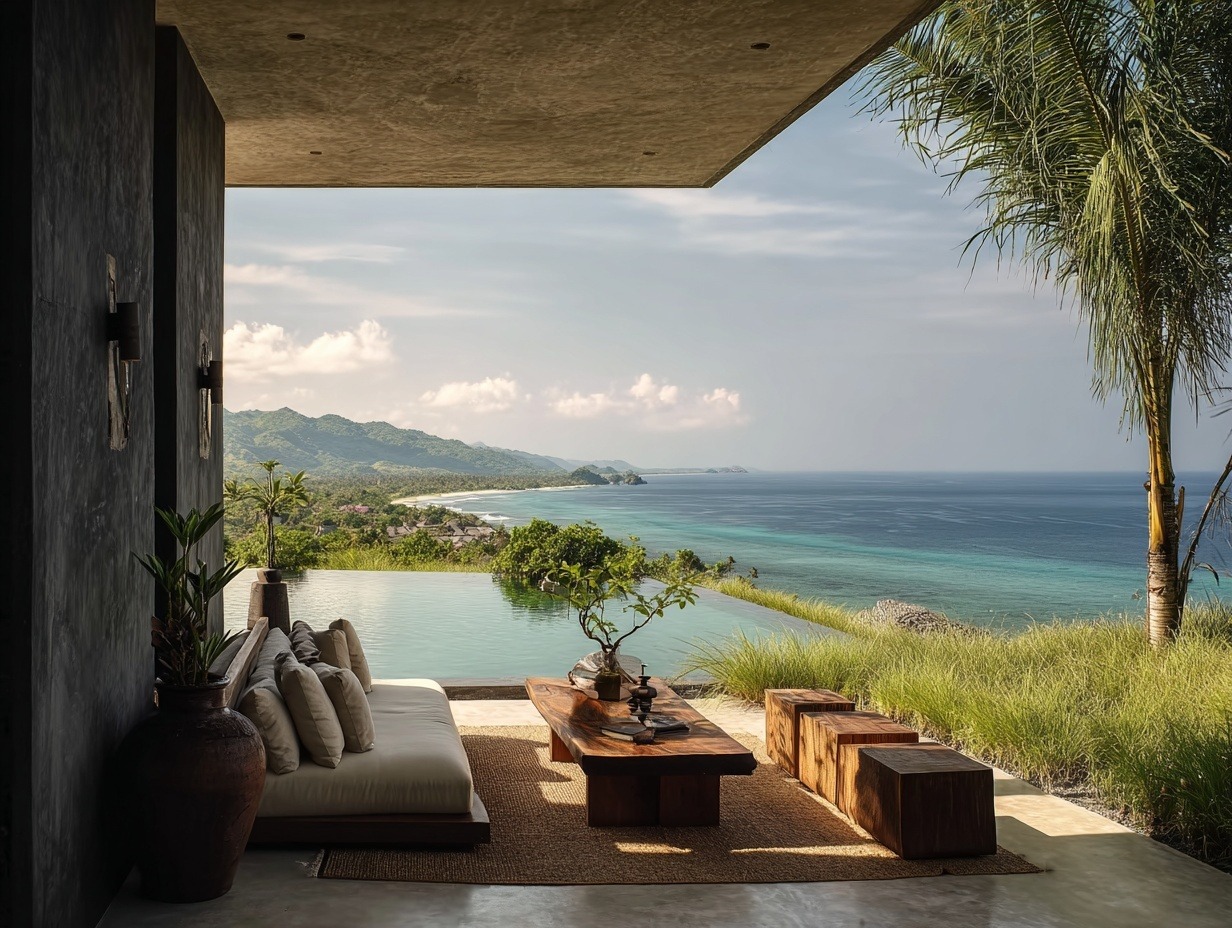
For that reason, Awanara’s guidelines establish long-term controls intended to preserve visual cohesion across the estate.
This includes:
- controlled building coverage
- protected view corridors
- height and massing limitations
- concealed service infrastructure
- material consistency
- and landscape integration
The purpose is not restriction for the sake of control.
It is long-term protection.
Because in tropical destinations, the developments that age best are usually the ones that were planned most carefully from the beginning.
Read More: What Makes a Location Valuable Before Everyone Sees It
A partnership shaped around long-term thinking
The collaboration between Eastern Edge and MyShrine Studios reflects a shared design philosophy focused on longevity, environmental integration, and restrained tropical architecture.
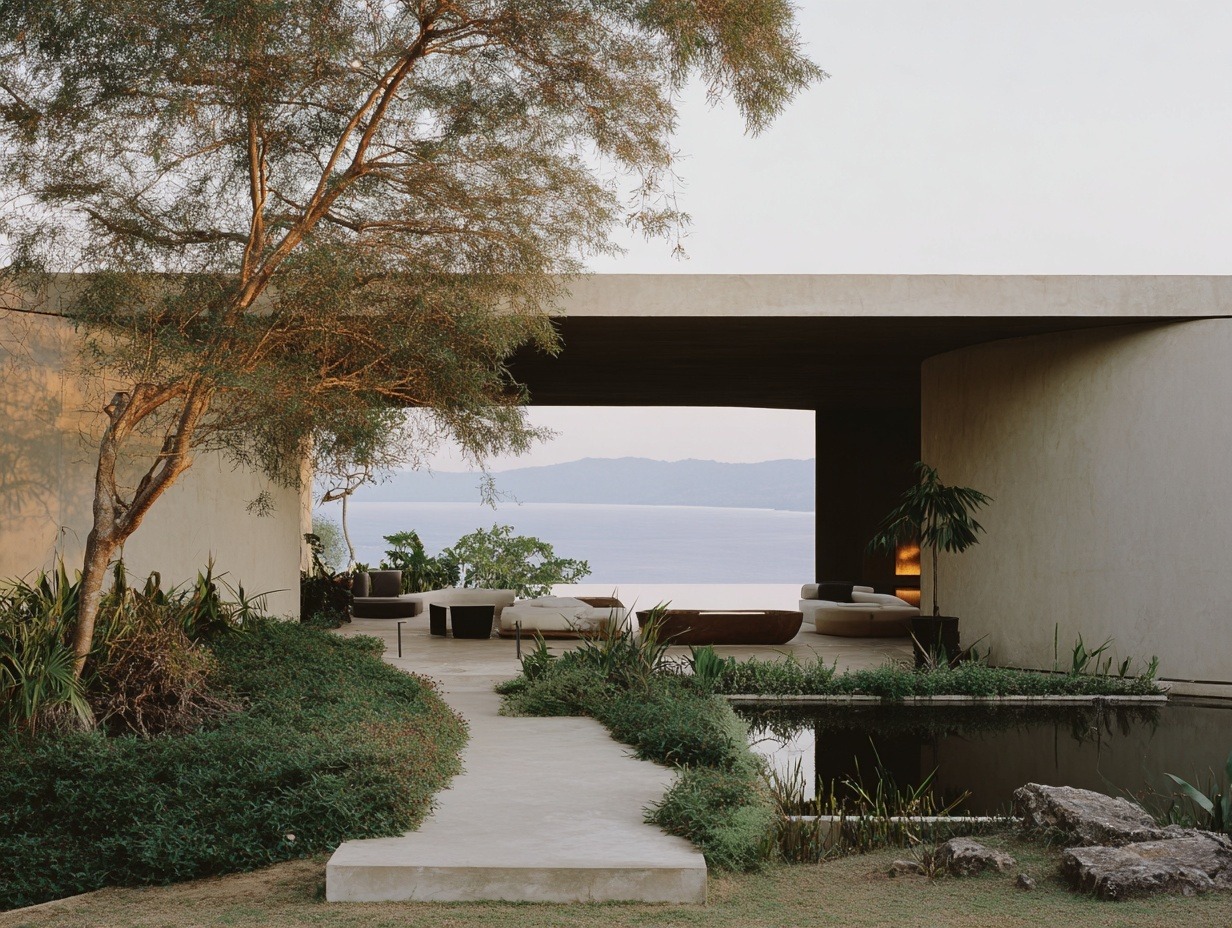
Rather than creating a project built around short-term visual impact, the intention behind Awanara Pengantap is to establish a more considered approach to eco resort architecture in Indonesia — one where landscape, privacy, infrastructure, and architecture operate together as a cohesive system.
That philosophy extends beyond aesthetics into the operational and experiential aspects of the project itself:
- boutique low-density wellness facilities
- integrated circulation planning
- protected sightlines
- natural material palettes
- and architecture designed specifically for Lombok’s coastal climate conditions
Good design continues working years later
Good architecture is rarely about making something look impressive in the moment.
The strongest projects are usually the ones that continue functioning well years after they are built.
They protect privacy.
They preserve views.
They feel calm rather than crowded.
They age naturally instead of becoming visually outdated.
And most importantly, they continue supporting long-term value.
At Awanara Pengantap, that thinking is embedded into the project from the beginning — not added afterwards.


%402x%20(dark).svg)
%402x%20(dark).svg)

%402x.svg)


