
%402x.svg)
Most people begin their property search the same way.
They open a marketplace, set a budget, and start comparing prices.
It feels logical. After all, price is the easiest metric to measure. It's visible, objective, and immediately available on every listing. The lower the price, the better the opportunity, or so it seems.
Yet after years of evaluating development sites across Indonesia, we've found that price is often the least important part of the conversation.
The strongest investments rarely begin by asking, "Where is the cheapest land?" They begin by asking a very different question:
Where will people want to be five or ten years from now?
That shift in perspective changes everything.

Read More: The 3 Decisions That Define a Successful Development | Real Estate Strategy
Why Cheap Land Is Often Cheap
One of the most common misconceptions among first-time investors is that lower prices automatically represent better value. In reality, land is rarely discounted without reason.
A site may have poor road access, making construction expensive and future resale less attractive. Infrastructure may be years away, with no confirmed plans for utilities or public investment. Zoning regulations might restrict the type of development you had envisioned, while surrounding demand may never reach the level required to support long-term appreciation.
These issues are rarely obvious when looking at a listing online. Instead, they reveal themselves during due diligence, often after buyers have already become emotionally attached to the property.
A low purchase price can be appealing, but if the fundamentals are weak, it may ultimately become one of the most expensive investment decisions you make.

The Difference Between Buying Land and Investing in Land
There is an important distinction between purchasing land and making a sound investment.
Buying land is a transaction.
Investing in land is a long-term assessment of future potential.
Experienced investors spend far less time comparing prices than they do understanding the forces that shape future value. They study planned infrastructure, demographic trends, tourism growth, accessibility, and the surrounding environment. They ask whether demand is likely to strengthen over time, rather than whether today's asking price appears attractive.
In other words, they focus on direction rather than discounts.
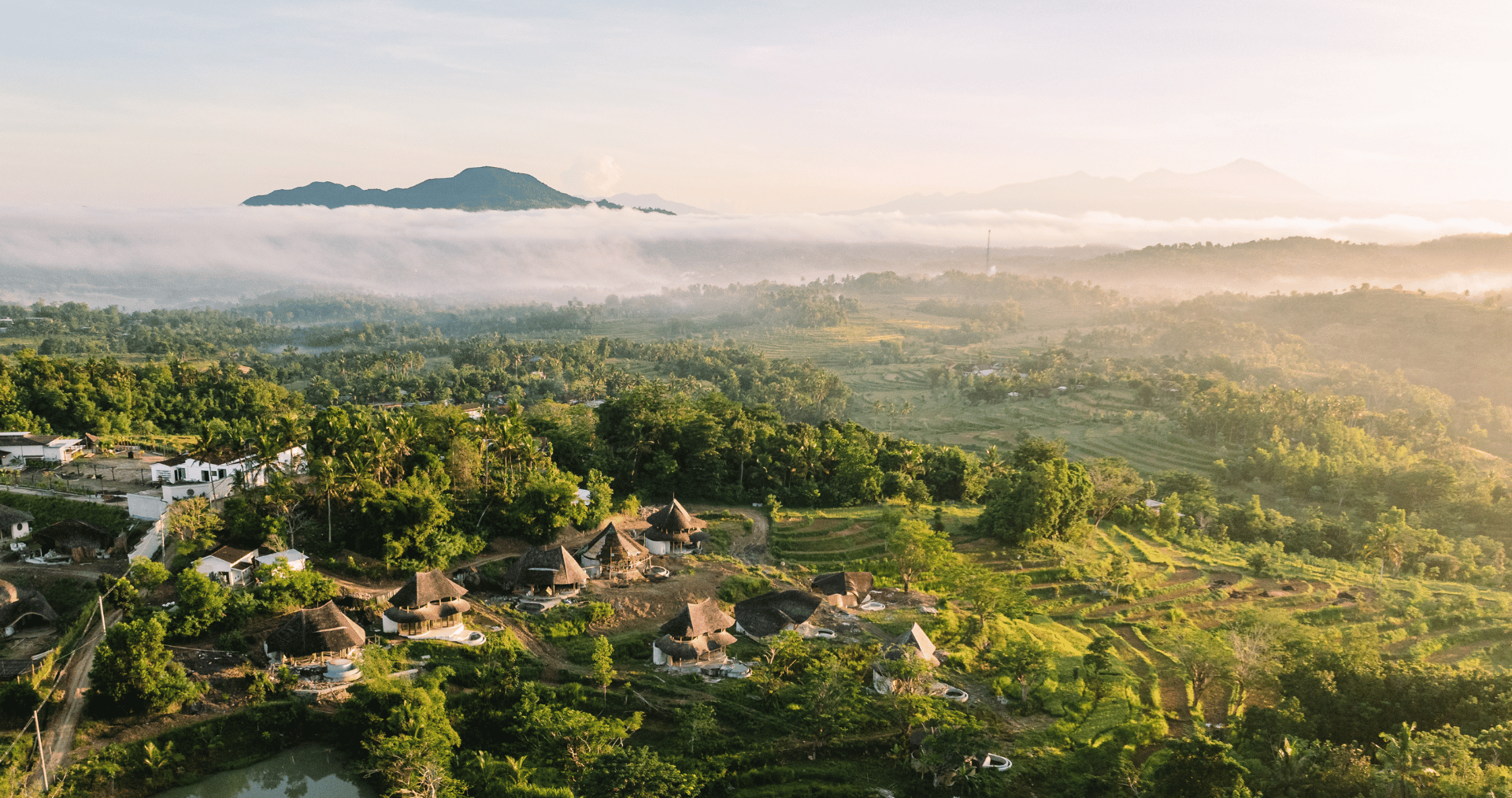
Infrastructure Often Determines Long-Term Value
One of the strongest indicators of future property value is infrastructure.
Road improvements, utility expansion, healthcare facilities, schools, hospitality projects, and commercial developments all influence how an area evolves over time. They make places easier to reach, easier to live in, and more attractive to residents, businesses, and visitors alike.
These changes rarely happen overnight. They unfold gradually over years, which is precisely why they create opportunity.
By the time infrastructure is complete, much of the market has already recognised its impact. Prices adjust accordingly.
The greatest opportunities often exist while that transformation is still underway.
This is why experienced investors pay close attention to confirmed infrastructure projects rather than relying on speculation or market sentiment.

Location Is More Than a Pin on a Map
When people hear the phrase "location is everything," they often think about proximity to beaches or ocean views.
Professional investors define location differently.
They consider accessibility. They evaluate neighbouring developments. They look at how an area connects to airports, services, employment, and future growth corridors. They study whether businesses are choosing to establish themselves nearby and whether demand is supported by long-term fundamentals rather than short-term excitement.
A beautiful landscape may attract attention.
A well-positioned location sustains value.
The difference becomes increasingly important over time.

Think About Your Exit Before Your Entry
Perhaps the most overlooked question in property investment is also one of the simplest.
Who will want to buy this property from you in the future?
Whether your objective is to develop, generate rental income, or hold land as a long-term asset, every investment eventually depends on future demand.
The next buyer will ask many of the same questions you should be asking today.
Is the location accessible?
Has infrastructure improved?
Has the surrounding area matured?
Is there a thriving community, growing tourism, or increasing commercial activity?
Thinking about your exit strategy before making a purchase fundamentally changes the way you evaluate opportunities. It encourages disciplined decision-making rather than emotional decision-making.

Why We Start With Location, Not Price
At Eastern Edge, we spend considerably more time evaluating locations than comparing prices.
Before discussing architecture or development potential, we look at the fundamentals that influence long-term performance. We assess road access, infrastructure, surrounding growth, environmental considerations, and the characteristics that make a location desirable years into the future.
Beautiful land is easy to find.
Land with enduring potential is considerably rarer.
That is why our conversations rarely begin with cost. They begin with context.
Because understanding where growth is happening is ultimately more valuable than finding the cheapest opportunity available today.

Looking Beyond Today's Price
The biggest mistake foreigners make when buying land in Indonesia isn't necessarily paying too much.
It's assuming that price alone determines value.
In reality, long-term value is created by infrastructure, accessibility, thoughtful planning, sustainable demand, and the continued evolution of a place.
Price simply reflects where a market is today.
Successful investors focus on where it will be tomorrow.
Because in real estate, value follows progress, not price.


%402x%20(dark).svg)
%402x%20(dark).svg)

%402x.svg)


