

Hospitality investment in Indonesia should be judged by whether an asset can sustain guest demand, fund its upkeep and remain understandable to future capital partners. For a developer and operator such as Eastern Edge, that means connecting site selection, resort design, operating decisions and ownership planning before construction begins.
A resort can photograph beautifully and still be difficult to operate. A busy hotel can absorb cash once maintenance and replacement spending are recognised. A development can look compelling on a forecast while depending on a selling price that no buyer has tested.
The useful question is therefore broader than how much a property might earn in a strong year: what must be true for this asset to remain worth owning when conditions become less favourable?
Ross Woods' discussion of hotel investment returns offers a helpful starting distinction between running a hotel and managing an investment. This Eastern Edge perspective takes a different route: the decisions that make an Indonesian hospitality asset credible throughout its life, beginning before it has a single guest.
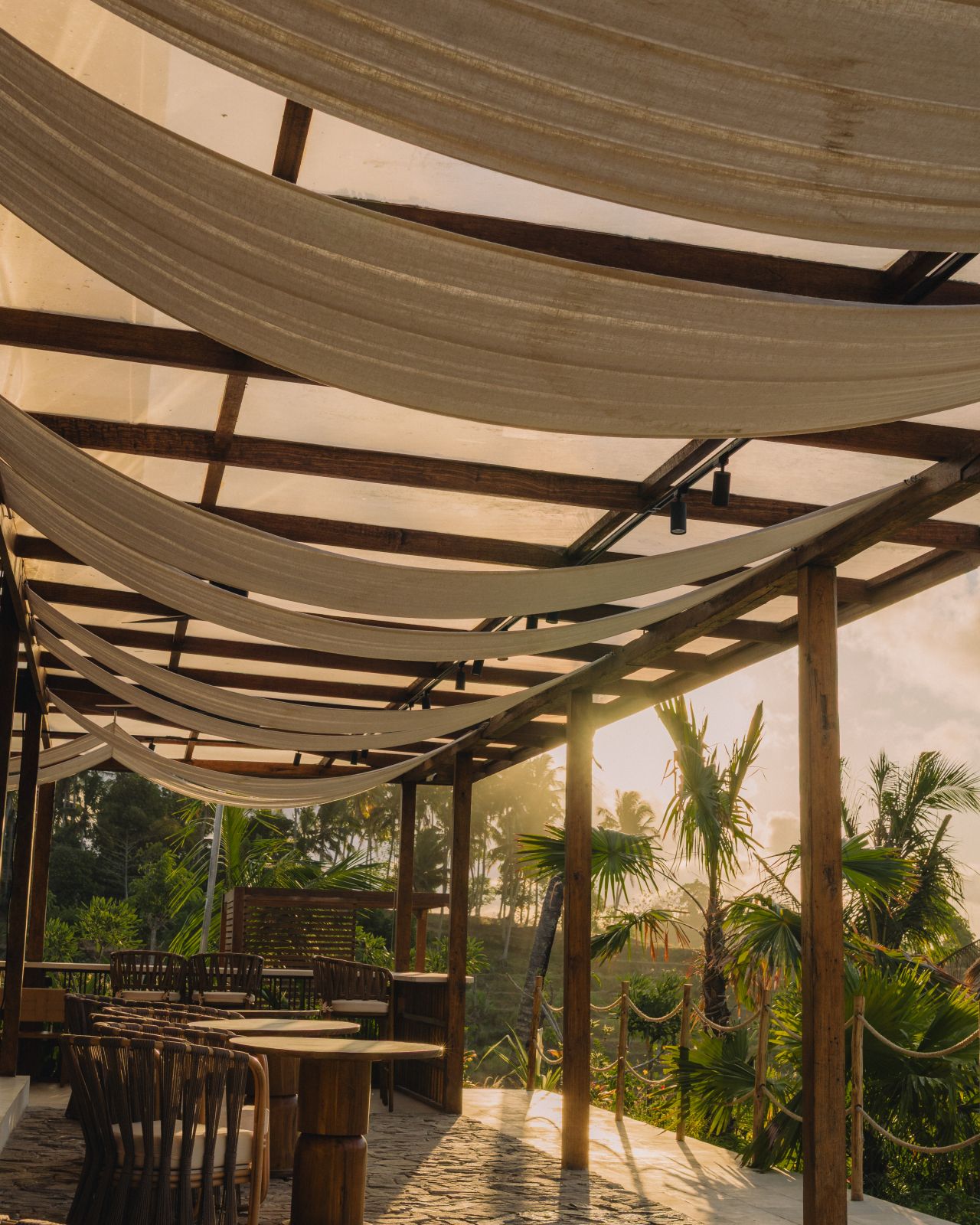
Read more: Buying Property in Indonesia Through a PT PMA
Start with a guest proposition the site can support
The investment case begins with a specific guest, not a generic destination story. Who will travel here, why will they choose this property, and what will make them return at a price that supports the business?
Those answers should shape room configuration, shared spaces, food and beverage, transport arrangements and staffing. A retreat designed around long stays needs a different operating model from a resort built around short leisure breaks. Adding facilities without identifying who will pay for them increases capital committed without necessarily improving demand.
Indonesia should not be treated as one uniform hospitality market. For a proposed property in Bali, Lombok or another island destination, the team should test the actual arrival journey, competing accommodation and seasonal booking patterns. A national tourism narrative cannot establish demand for an individual site.
Site diligence must also establish whether the proposed development is feasible. Land interests, access, permitted use, approvals and environmental obligations need site-specific verification by qualified professionals. A promising concept does not resolve those questions.
The practical discipline is simple: make the guest promise, the site constraints and the financial assumptions agree before fixing the development brief.
Design the property around its full operating life
Every design decision creates an operating consequence. A dramatic building form may raise cleaning costs. Bespoke equipment may make replacement difficult. A room added to the plan may require more infrastructure than its revenue contribution justifies.
For island and coastal resort development, teams should investigate water supply, wastewater treatment, energy reliability, material durability and access to replacement parts. These are diligence questions, not assumptions that every location faces the same constraints. Their answers belong in both the design brief and the operating budget.
An integrated developer and operator can bring housekeeping, engineering and guest-service requirements into design reviews before changes become expensive. That advantage only produces value if operators can challenge layouts and specifications while decisions are still reversible.
Consider a hypothetical choice between additional guest rooms and an upgrade to the property's water infrastructure. The rooms offer visible revenue potential. The infrastructure may protect service continuity and enable later expansion. Compare both against their complete capital cost, maintenance needs and effect on guest experience. Neither option should win simply because it looks better in a presentation.
Responsible development also needs evidence. Local employment, procurement and resource use should be measured rather than presented as broad sustainability claims. Water consumption per occupied room and staff retention can reveal whether an operating ambition is translating into practice.
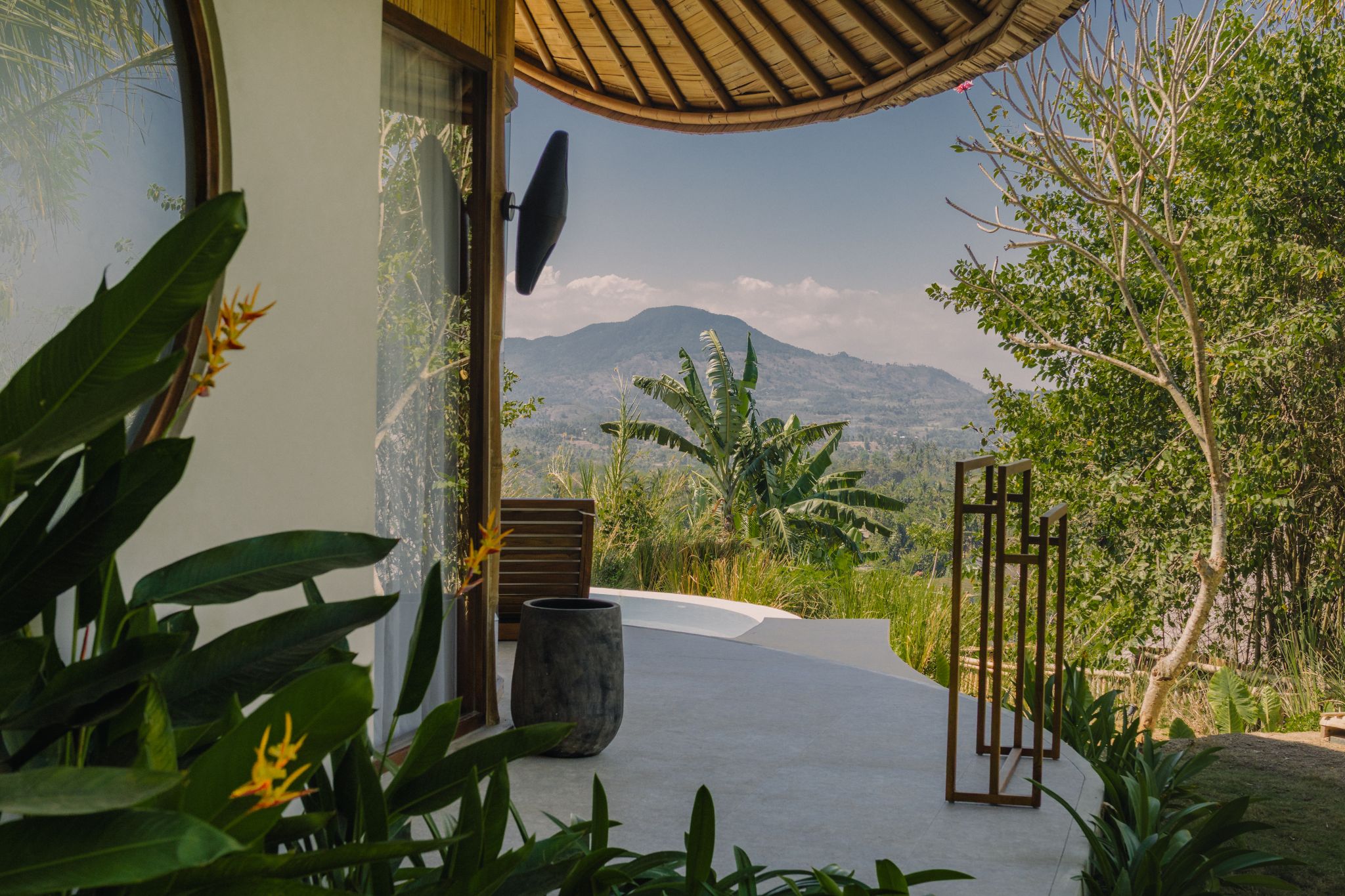
Use the first operating year to test the investment case
Opening day proves that a property can receive guests. It does not prove that the investment assumptions were sound.
The early operating period should test which guests actually book, which channels bring profitable business and which facilities earn their cost. Average daily rate and occupancy are useful, but they cannot explain cash generation on their own.
Management should reconcile operating results with the cash available after maintenance, working-capital needs and any ownership and financing obligations. It should also distinguish recurring demand from launch promotions or an unusually strong trading period.
For Eastern Edge, the strategic opportunity in combining development and operations is a shorter feedback loop. If guests use a space differently from the original plan, or service delivery costs more than forecast, the next development brief can change. Scaling an untested assumption only makes the eventual correction more expensive.
Make the ownership case legible to someone else
A property becomes easier to assess when its records explain how it works. Future investors, lenders and buyers need more than attractive images and a headline return projection.
They need consistent accounts, clear contractual obligations, a record of capital spending and a realistic schedule for future replacements. They should be able to understand the land position and the operating arrangements without reconstructing the investment from scattered files.
This documentation should begin during development. Preserving approvals, recording design changes and tracking costs against the original scope can reduce uncertainty later. Clear records do not guarantee financing or a sale, but they make due diligence more useful.
The same standard applies to a forecast. Separate improvements the team can execute from assumptions about destination demand, borrowing conditions or a future buyer's pricing. Test what happens if opening is delayed, revenue builds more slowly or an exit takes longer than expected.
An asset should have a credible reason to be held even if a planned sale does not occur on schedule. Funding a long-lived property around an inflexible near-term exit can turn a timing problem into a liquidity problem.
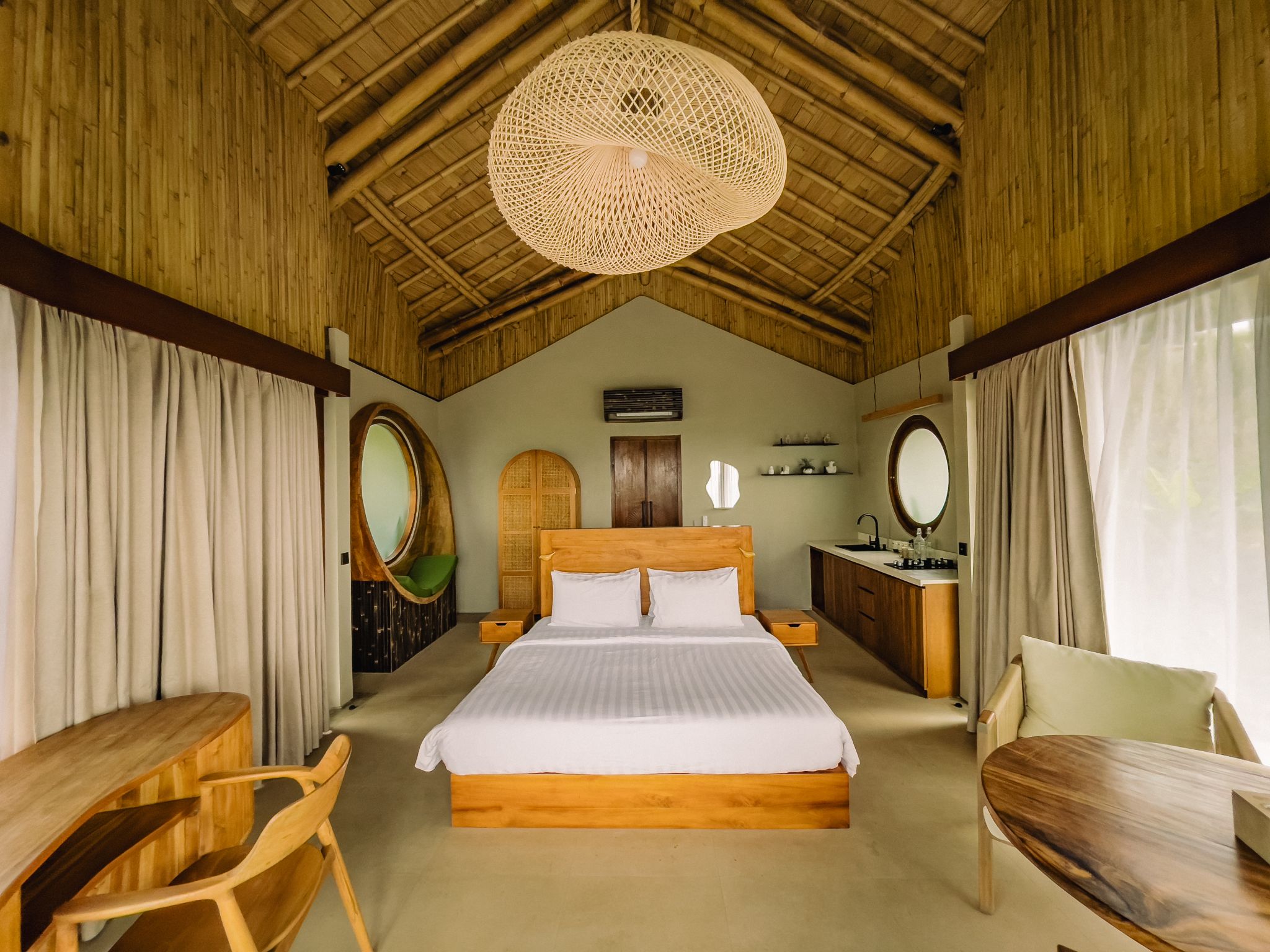
Revisit the next decision rather than defend the original plan
Once the property is operating, the original development case becomes a reference point rather than a permanent instruction.
The next decision might be to improve service, replace infrastructure, adapt the guest proposition, expand cautiously or preserve cash. Each should be assessed against the additional capital required and the downside if the expected benefit fails to appear.
A disciplined owner also compares continued ownership with other uses of capital. An asset can remain attractive while a proposed expansion is unattractive. A good operating year is not sufficient evidence that every additional investment will work.
The Eastern Edge perspective is to treat development, operations and ownership as one continuing responsibility. The aim is a property whose guest proposition survives contact with actual demand, whose design supports reliable service and whose financial records explain its economics.
That is a more useful ambition than maximising a headline projection. Build an asset that can earn confidence repeatedly, including when the destination story is less persuasive and capital becomes more selective.
Questions about hospitality investment in Indonesia
What makes an Indonesian hospitality property investable?
An investable hospitality property has a credible guest proposition, verified site feasibility, workable operating economics and clear ownership documentation. Its investment case should also account for future upkeep and slower-than-expected demand. Attractive architecture or high occupancy alone does not establish investment quality.
How does a developer operator create value?
A developer operator can connect design choices with staffing, maintenance and guest-service requirements before construction. After opening, operating evidence can inform later capital decisions and future projects. The benefit depends on clear accountability and reliable reporting; combining the roles does not automatically improve returns.
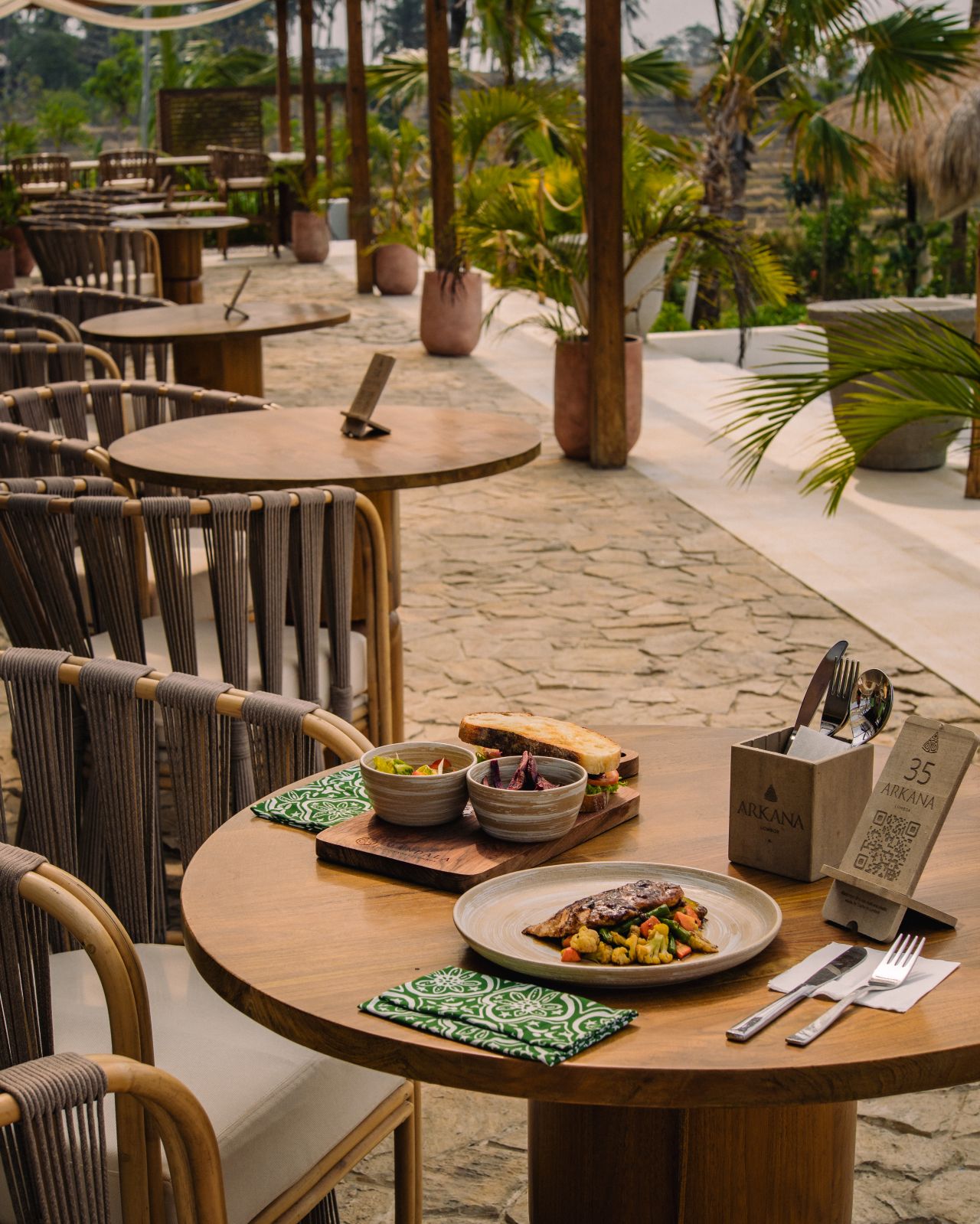
Which hotel metrics should owners review beyond occupancy?
Owners should review room pricing alongside channel costs, operating cash generation, maintenance spending, replacement needs and working capital. Where financing applies, debt obligations also matter. The objective is to understand whether reported operating performance translates into sustainable cash for the ownership structure.
How should investors assess an emerging island destination?
Assess the individual site's access, competitive supply, guest segments, seasonal demand and infrastructure requirements. Verify development feasibility with qualified local advisers. Model slower revenue growth and delays rather than relying only on a destination's potential or extrapolating results from a different island.
Does sustainable resort development guarantee higher returns?
No. Resource efficiency and responsible local relationships can support operating resilience, but outcomes depend on the project and the cost of implementation. Claims should be supported by measured results. A sustainability label cannot replace a viable guest proposition, a realistic budget or site-specific diligence.


