
%402x.svg)
South Lombok's coastal investment corridor is not a single market. It comprises four distinct submarkets running east to west along the southern shore of the island: Kuta and Mandalika, Selong Belanak, Torok, and Pengantap. Each has a different maturity, a different buyer profile, a different price band, and a different investment case. This guide sets out how the four bays compare in 2026 and how to think about entry timing across the corridor.
How South Lombok's Coastal Corridor Is Structured
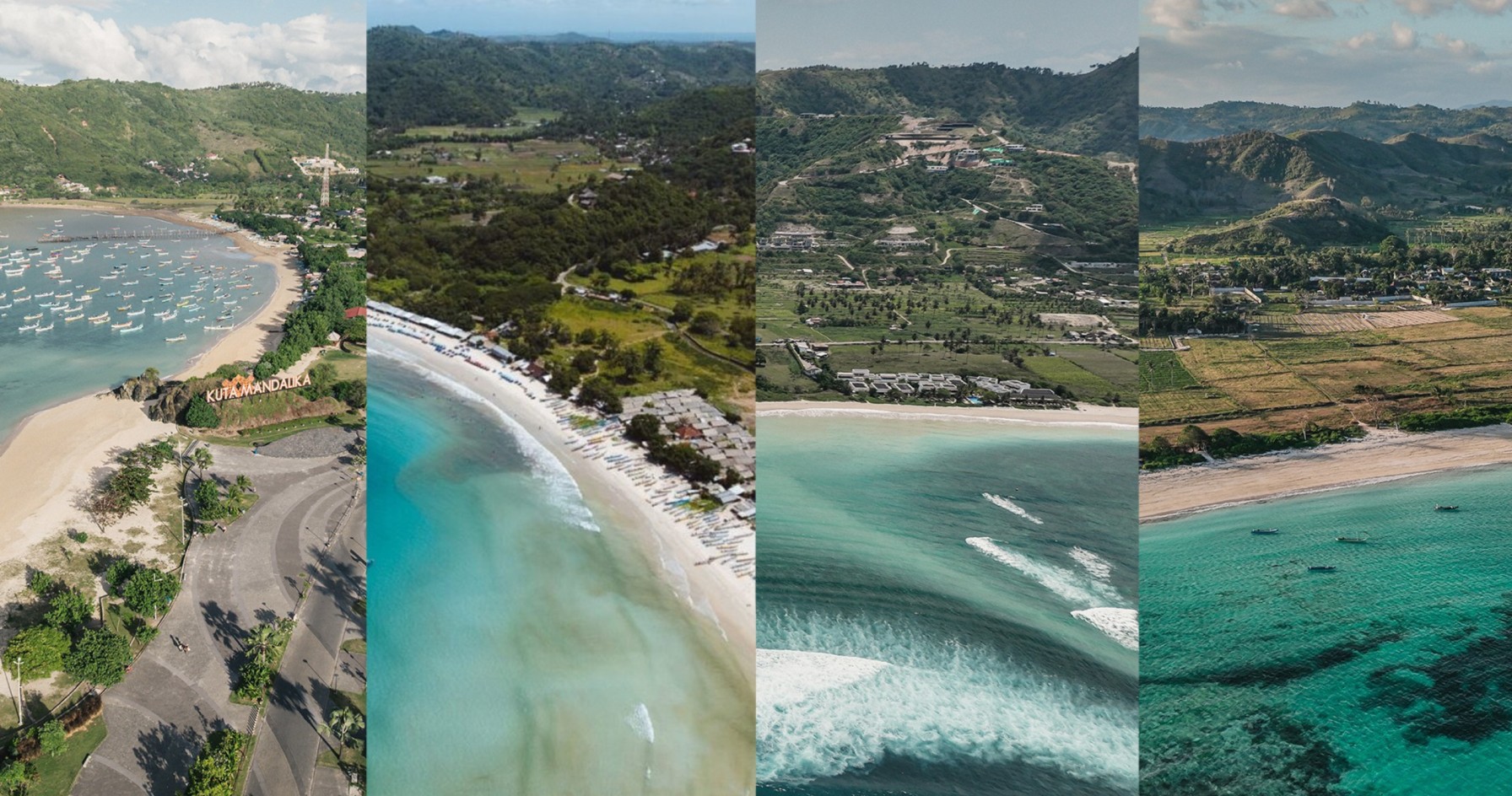
The corridor runs roughly forty kilometres along the south coast of Lombok, from Kuta in the east to Pengantap in the west. All four submarkets sit within a one-hour drive of Lombok International Airport. All four are accessible by sealed road. All four face the Indian Ocean, with a mix of surf beaches, calm bays, and clifftop headlands.
What differentiates them is maturity. Kuta and Mandalika are the established anchor of the corridor and have been for over a decade. Selong Belanak is the mid-cycle submarket, popular with boutique operators and second-home buyers. Torok is the newly institutional submarket, reset in July 2026 by the announcement of Samara Lombok and the first Southeast Asian Rafa Nadal Tennis Center. Pengantap remains the frontier, though the trajectory across the corridor makes its next phase visible.
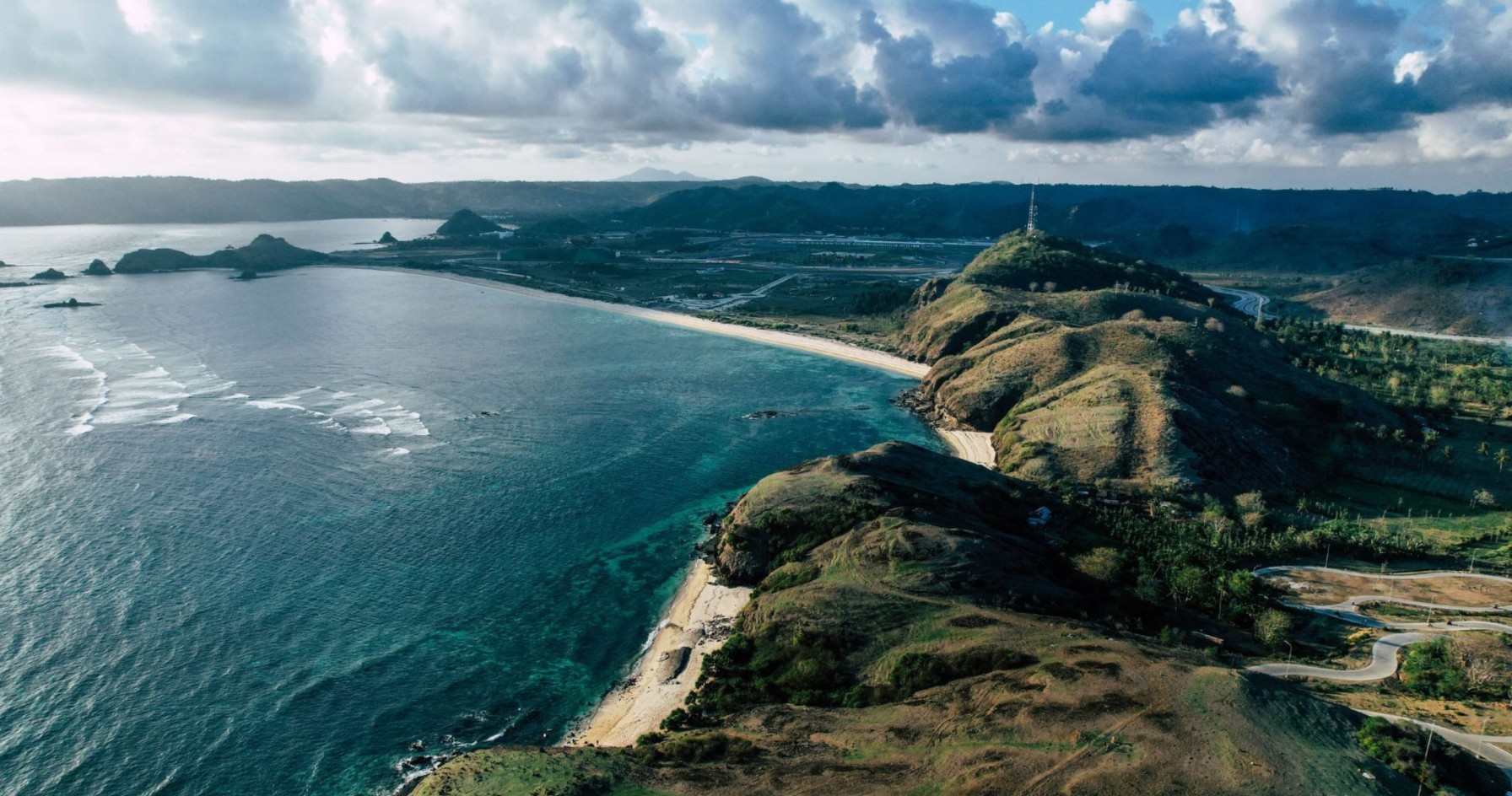
Read More: Rafa Nadal Tennis Center Torok Bay: What It Means for South Lombok
Kuta and Mandalika: The Anchor Submarket
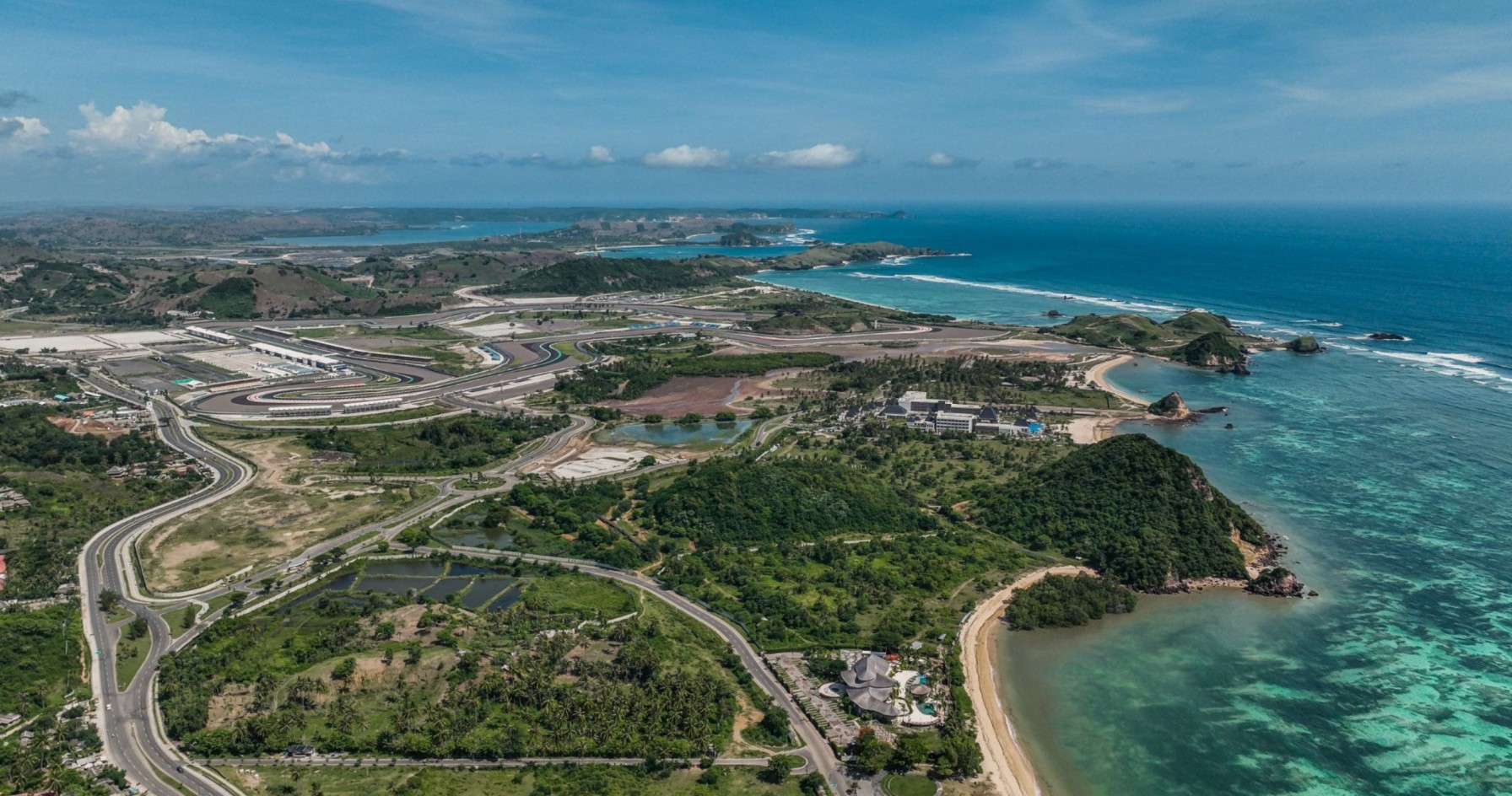
Kuta and Mandalika sit at the eastern end of the corridor and form its most established submarket. Mandalika itself is a designated Special Economic Zone, KEK Mandalika, developed by Indonesian state enterprise ITDC. The zone hosts the Pertamina Mandalika International Circuit, which has held rounds of the MotoGP and World Superbike championships since 2021.
Infrastructure in Kuta and Mandalika is the most mature on the coast. Sealed roads, three- and four-star hotel supply, restaurants, and retail all exist in scale. Land pricing reflects this maturity. Prime beachfront and near-beach land in Kuta transacts at multiples of the corridor's frontier submarkets, and further capital appreciation, while still positive, is a compressed opportunity relative to the western bays.
Kuta suits buyers who prioritise liquidity, established rental performance, and short-term visibility over long-term capital appreciation.
Selong Belanak: The Established Mid-Market
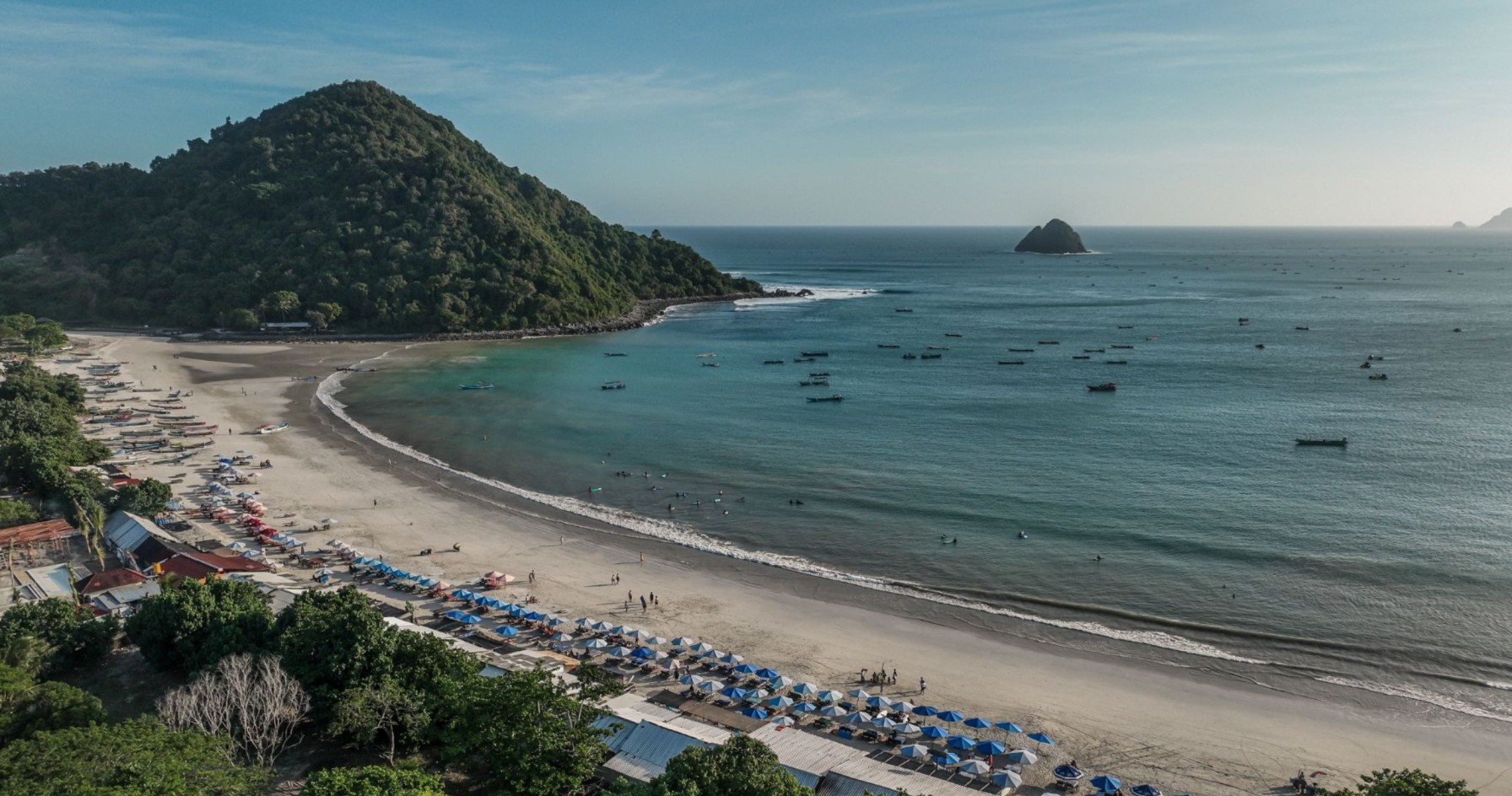
Selong Belanak is a wide, sheltered crescent bay approximately twenty minutes west of Kuta. It has emerged over the past five years as the corridor's boutique operator submarket, with a growing cluster of small-format hotels, surf schools, beach clubs, and villa developments serving a well-heeled but casual clientele.
Land in Selong Belanak has appreciated meaningfully since 2020, and pricing now sits between Kuta and the frontier bays. The submarket is well-suited to boutique hospitality and villa product priced in the mid-tier. Institutional-scale sites of the kind that anchor projects require are increasingly difficult to assemble.
Selong Belanak suits buyers looking for a proven boutique submarket with operating comparables, willing to pay for entry into a mid-cycle market.
Torok Bay: The Newly Institutional Submarket
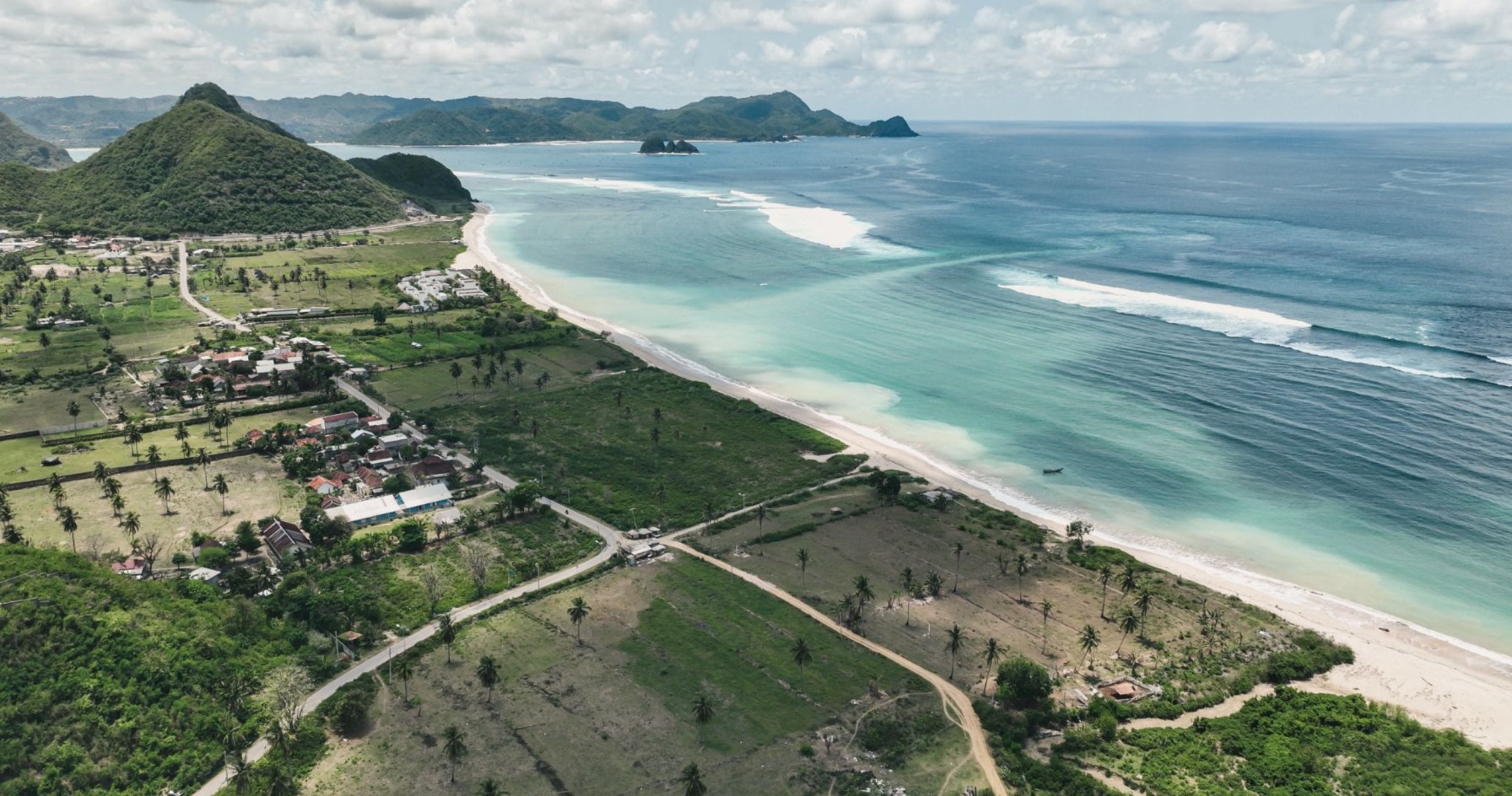
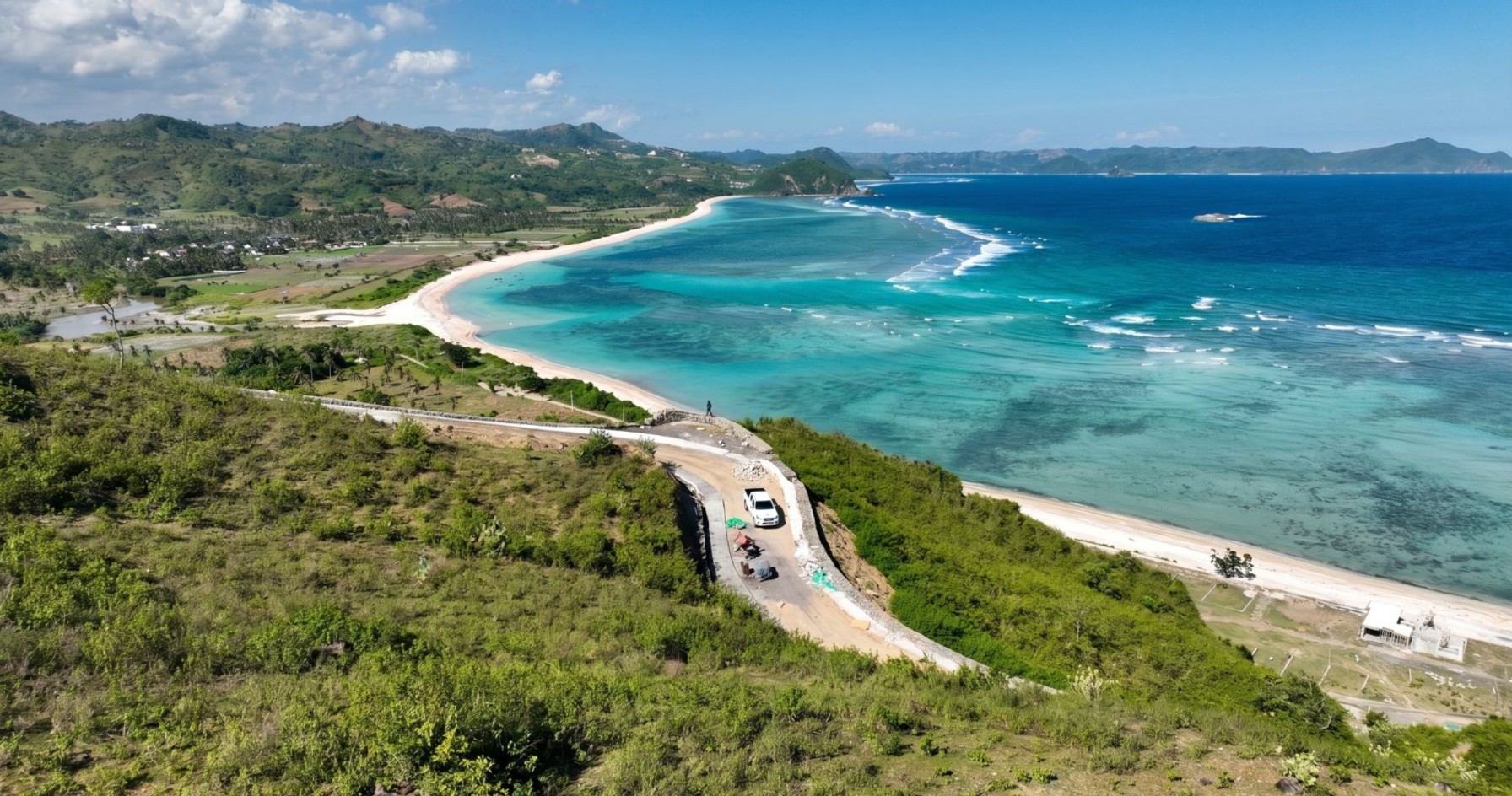
Torok Bay lies west of Selong Belanak, twenty-five minutes from Lombok International Airport by sealed road. Until 2026 it was among the quieter submarkets on the corridor, with land pricing at a meaningful discount to Kuta and Selong Belanak.
That has changed. In July 2026 the Rafa Nadal Academy announced its first Southeast Asian tennis centre at Samara Lombok, a 150-hectare integrated destination on Torok Bay operating as the first Destination by Hyatt in Southeast Asia. Alongside the Nadal partnership, Samara Lombok has announced brand partnerships with celebrity chef Will Meyrick, children's culinary author Annabel Karmel MBE, expedition operator Rascal Voyages, and a football training centre anchored by a globally recognised club partner. Villa pricing at Samara begins at USD 650,000, establishing a new reference point for the wider submarket.
The immediate effect is a repricing of land in the corridor around the anchor. Historical precedent from comparable Southeast Asian markets indicates that land within a two to five kilometre radius of anchor projects of this scale appreciates by between 40 and 120 per cent within twelve to twenty-four months of announcement.
Torok suits buyers who want to enter a submarket after institutional validation but before pricing has fully caught up. That window is now open and is narrow.
Pengantap: The Frontier Submarket
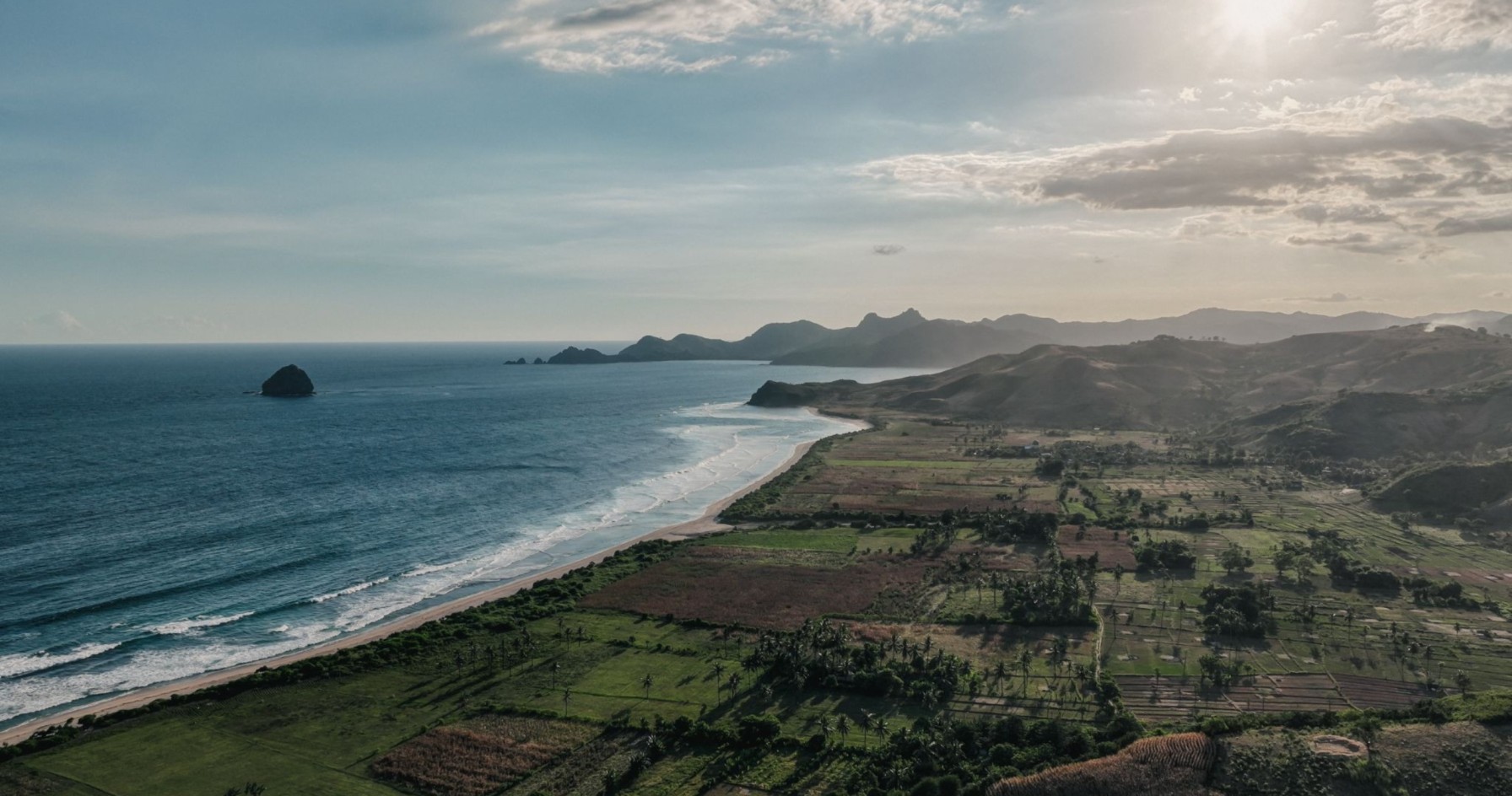
Pengantap lies further west along the corridor, approximately forty-five minutes from Lombok International Airport. It is the least developed of the four submarkets and consequently the lowest entry price.
Pengantap offers a rare combination on the coast: a dramatic coastline of clifftops and secluded bays, road access sufficient to serve serious development, and land pricing that still reflects the pre-anchor market. The geographic and infrastructural profile is comparable to Torok Bay five years ago.
The corridor's westward progression is not accidental. As Kuta reached maturity, boutique capital moved to Selong Belanak. As Selong Belanak reached mid-cycle, institutional capital moved to Torok. Pengantap sits at the next step of that same progression. Buyers who acquired well in Torok before July 2026 are now sitting on repricing. The equivalent window on Pengantap is presently open.
Pengantap suits buyers with a three- to seven-year horizon who are willing to acquire before infrastructure and brand anchors arrive, in exchange for the largest capital appreciation window on the corridor.
How to Think About Entry Timing Across the Four Bays
Coastal submarkets in Southeast Asia tend to move through four phases: frontier, institutional entry, mid-cycle, and mature. The four South Lombok submarkets currently occupy four different points on that curve.
Kuta and Mandalika are mature. Selong Belanak is mid-cycle. Torok has just moved from frontier to institutional entry. Pengantap remains frontier, with the institutional entry phase visible on a two- to four-year horizon.
Rational allocation across the corridor depends on horizon and risk appetite. Investors seeking near-term cash yield and liquidity favour Kuta. Investors seeking mid-cycle boutique product favour Selong Belanak. Investors seeking capital appreciation from institutional repricing favour Torok. Investors with the longest horizon and highest tolerance for early-stage risk favour Pengantap.
Diversifying across two or three submarkets is a defensible strategy for larger portfolios. Concentration in one submarket is defensible only where conviction on that specific bay is unusually high.
What Drives Value in Each Submarket
Four factors drive value across the corridor, weighted differently in each submarket.
The first is infrastructure. Sealed road access, utility connections, and airport proximity all price into land directly. Kuta leads on all three. Selong Belanak, Torok, and Pengantap each score lower on utilities, with the gap narrowing quickly as the corridor upgrades to service anchor projects.
The second is anchor projects. A globally recognised brand committing capital to a bay is the single most consequential market event. Kuta and Mandalika has ITDC and MotoGP. Torok now has Hyatt, Rafa Nadal, and the wider Samara programme. Selong Belanak has boutique clustering rather than a single institutional anchor. Pengantap has none yet.
The third is comparable pricing. Once built product transacts at a given price band, that price band supports every subsequent development. Samara Lombok's USD 650,000 entry price has just reset the ceiling in Torok. Comparable resets are visible in Selong Belanak and Kuta.
The fourth is scarcity. Beachfront and near-beach land is finite on any bay. The submarkets with the most restrictive land supply relative to demand see the sharpest appreciation. Torok's supply is compressing as institutional buyers acquire. Pengantap's supply is still elastic.
Where Eastern Edge Operates on the Corridor
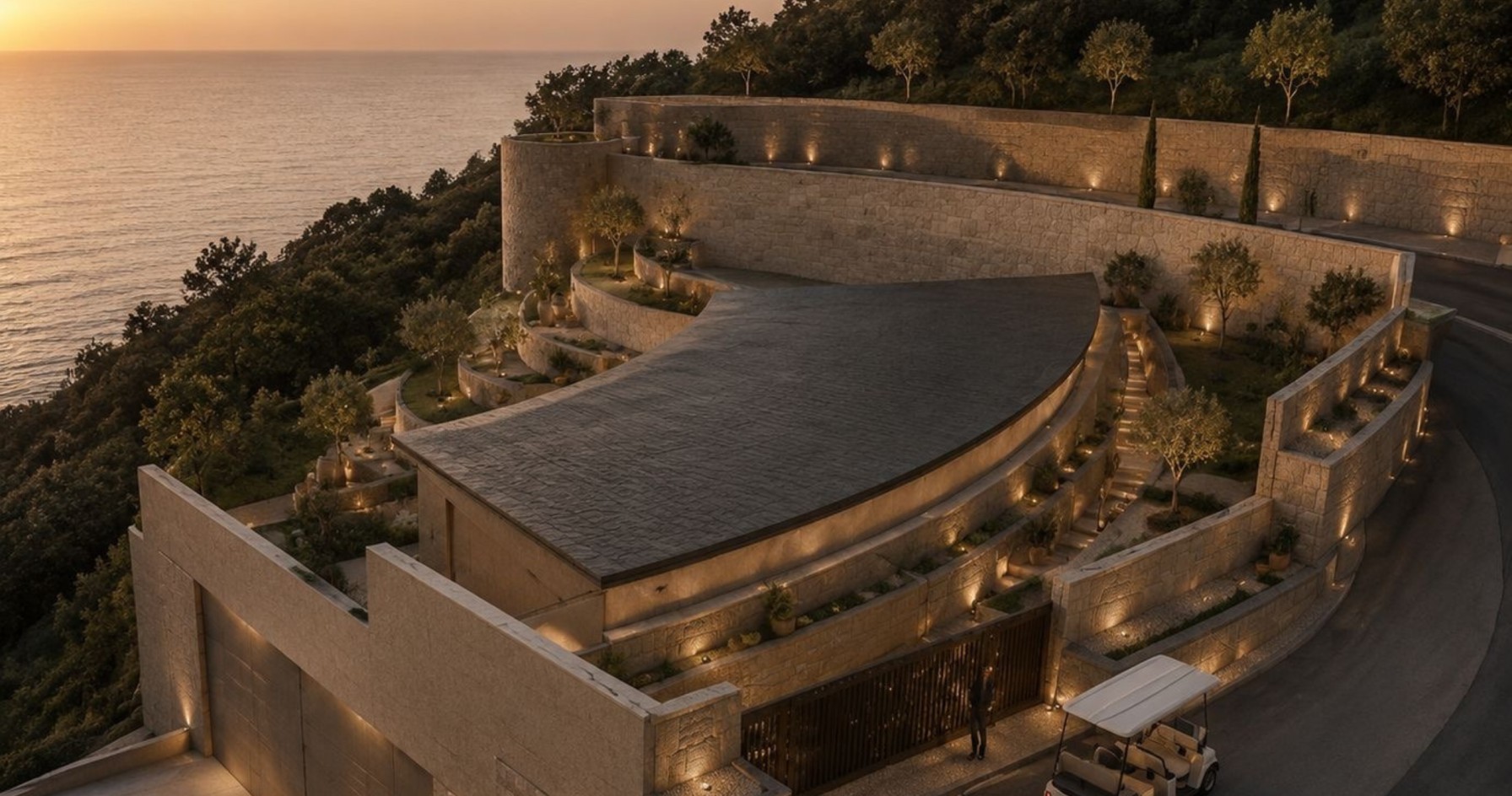
Eastern Edge is active across three of the four submarkets. In Torok, the group holds land parcels within the corridor and runs the Mandala Terraces villa plot programme in the same submarket. Mandala Eco-Resort, the group's operating hospitality asset, is a seven-minute drive from Torok Beach. In Pengantap, Pengantap Riviera is a joint venture development on the frontier submarket. Cliff Villas, an eleven-villa boutique development branded The Luxe, extends the group's footprint further along the coast.
The group publishes ongoing market commentary on all four submarkets. Buyers researching any of the four bays can contact the Eastern Edge team for market data, comparable transactions, and current land availability.
Key Takeaways
- South Lombok's coastal investment corridor comprises four submarkets: Kuta and Mandalika, Selong Belanak, Torok, and Pengantap.
- Kuta and Mandalika is the mature submarket, suited to buyers prioritising established rental performance and liquidity.
- Selong Belanak is the mid-cycle boutique submarket, suited to buyers paying for entry into a proven market.
- Torok Bay has just moved from frontier to institutional entry following the Samara Lombok and Rafa Nadal announcement in July 2026, and entry pricing has not yet caught up.
- Pengantap remains the frontier submarket, with the widest capital appreciation window on the coast for buyers with a three- to seven-year horizon.
- Eastern Edge operates across three of the four submarkets and publishes ongoing market commentary on all four.
Frequently Asked Questions
Where should I buy property in South Lombok? The right submarket depends on horizon and risk appetite. Kuta and Mandalika suits buyers prioritising liquidity and established rental yields. Selong Belanak suits mid-cycle boutique product. Torok Bay suits buyers wanting entry after institutional validation but before pricing catches up. Pengantap suits long-horizon buyers accepting frontier-stage risk for the widest appreciation window.
Which is the cheapest area to buy land in South Lombok? Pengantap currently offers the lowest per-square-metre land pricing of the four principal submarkets on the South Lombok coast, reflecting its frontier stage. Torok Bay has historically traded at a discount to Kuta and Selong Belanak, though that discount is now closing following the Samara Lombok announcement in July 2026.
What is the difference between Kuta and Mandalika? Kuta is the wider settlement and tourism submarket. Mandalika, formally KEK Mandalika, is a designated Special Economic Zone within the Kuta area developed by state enterprise ITDC. The Pertamina Mandalika International Circuit sits within KEK Mandalika and has hosted MotoGP and World Superbike since 2021.
Is Selong Belanak a good area to invest in? Selong Belanak is a proven boutique submarket with an established cluster of small-format hotels, beach clubs, and villa developments. It suits mid-cycle buyers willing to pay for entry into a market with operating comparables. Institutional-scale sites are increasingly difficult to assemble.
When will Pengantap reprice? Historical precedent from Southeast Asian coastal markets suggests frontier submarkets reprice significantly when a globally recognised anchor project commits to the area. Torok Bay's repricing began in July 2026 with the Samara Lombok announcement. The equivalent event on Pengantap has not yet occurred but is visible on a two- to four-year horizon.
How far are Torok Bay and Pengantap from Lombok International Airport? Torok Bay is approximately twenty-five minutes by sealed road from Lombok International Airport. Pengantap is approximately forty-five minutes by sealed road.
What is the four-phase framework for a coastal submarket? Coastal submarkets in Southeast Asia typically move through four phases. The frontier phase is characterised by low land pricing, minimal built product, and limited institutional interest. The institutional entry phase begins when a globally recognised brand commits capital. The mid-cycle phase sees boutique clustering and rising pricing. The mature phase sees compressed further appreciation but strong liquidity and rental performance.


%402x%20(dark).svg)
%402x%20(dark).svg)

%402x.svg)


