
%402x.svg)
Buying development land in Indonesia can be an exceptional investment—but only when the right groundwork has been done. Before committing to a purchase, experienced developers undertake a thorough due diligence process to understand the legal, technical, and commercial viability of a site. Here's the checklist every investor should follow.
Why Due Diligence Matters
Every great development starts long before construction begins.
Whether you're purchasing land for a private villa, boutique resort, or larger development, the quality of your investment is determined long before the first foundation is poured. While a property may offer breathtaking views or an attractive asking price, hidden legal, planning, or infrastructure issues can significantly impact its long-term value and development potential.
Due diligence is the process of identifying those opportunities and risks before committing to a purchase. Rather than relying on assumptions or information provided by the seller alone, it involves independently verifying that the land is suitable for your intended project.
In Indonesia, where land regulations, ownership structures, and regional planning frameworks differ from many Western countries, careful due diligence is particularly important. Taking the time to investigate a site thoroughly can help avoid costly surprises and provide confidence that your investment aligns with your development goals.

1. Verify Land Ownership
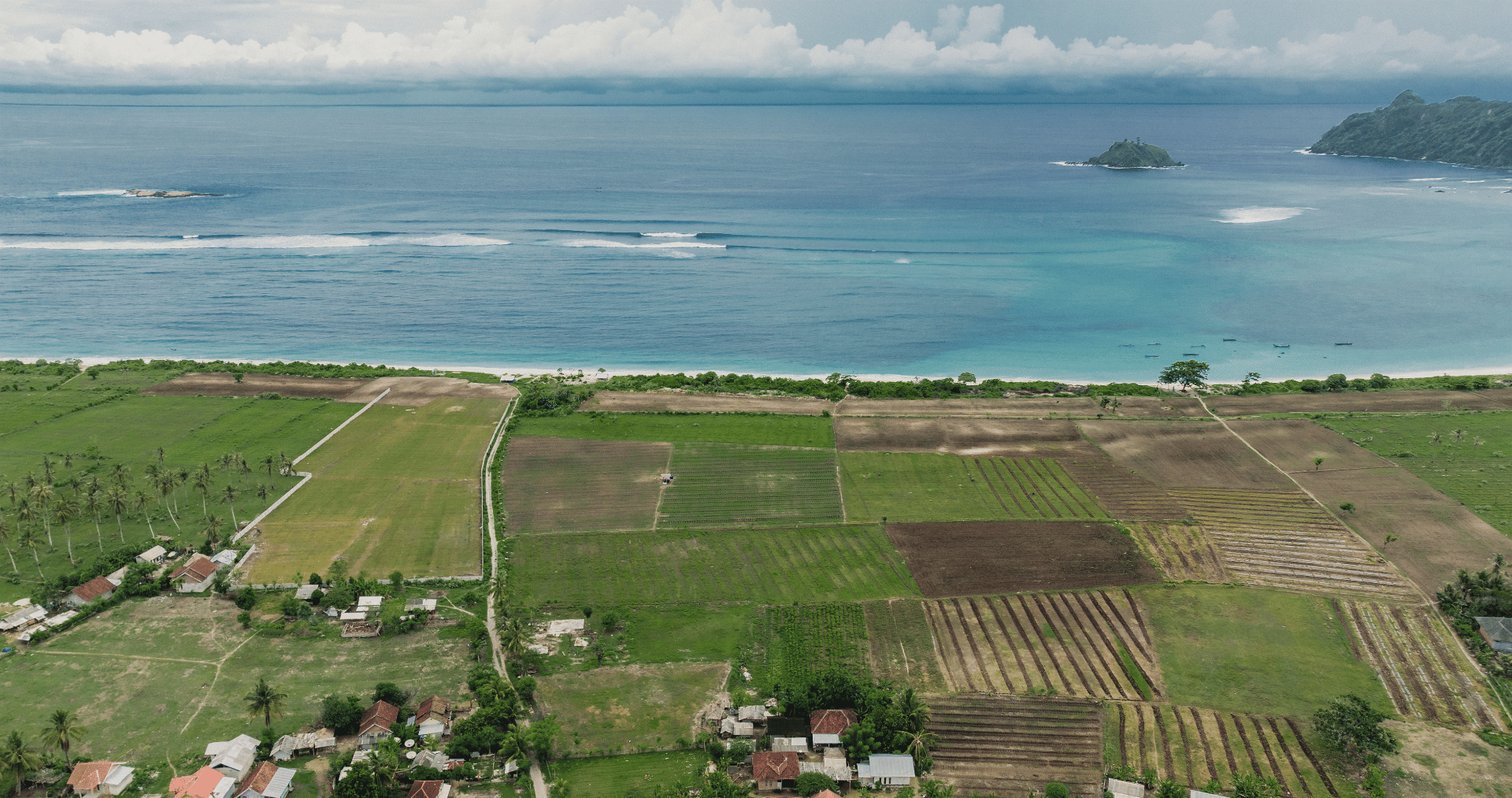
The first step is confirming who legally owns the land and whether they have the authority to sell it.
Review the land certificate, verify ownership with the relevant authorities, and ensure there are no disputes, mortgages, or competing claims. If multiple owners or inherited land are involved, additional documentation may be required before a transaction can proceed.
A professional legal review at this stage is essential.
Checklist:
- Is ownership clearly documented?
- Are all owners consenting to the sale?
- Are there any registered encumbrances or disputes?

2. Confirm Zoning and Land Use
Not all land can be developed in the same way.
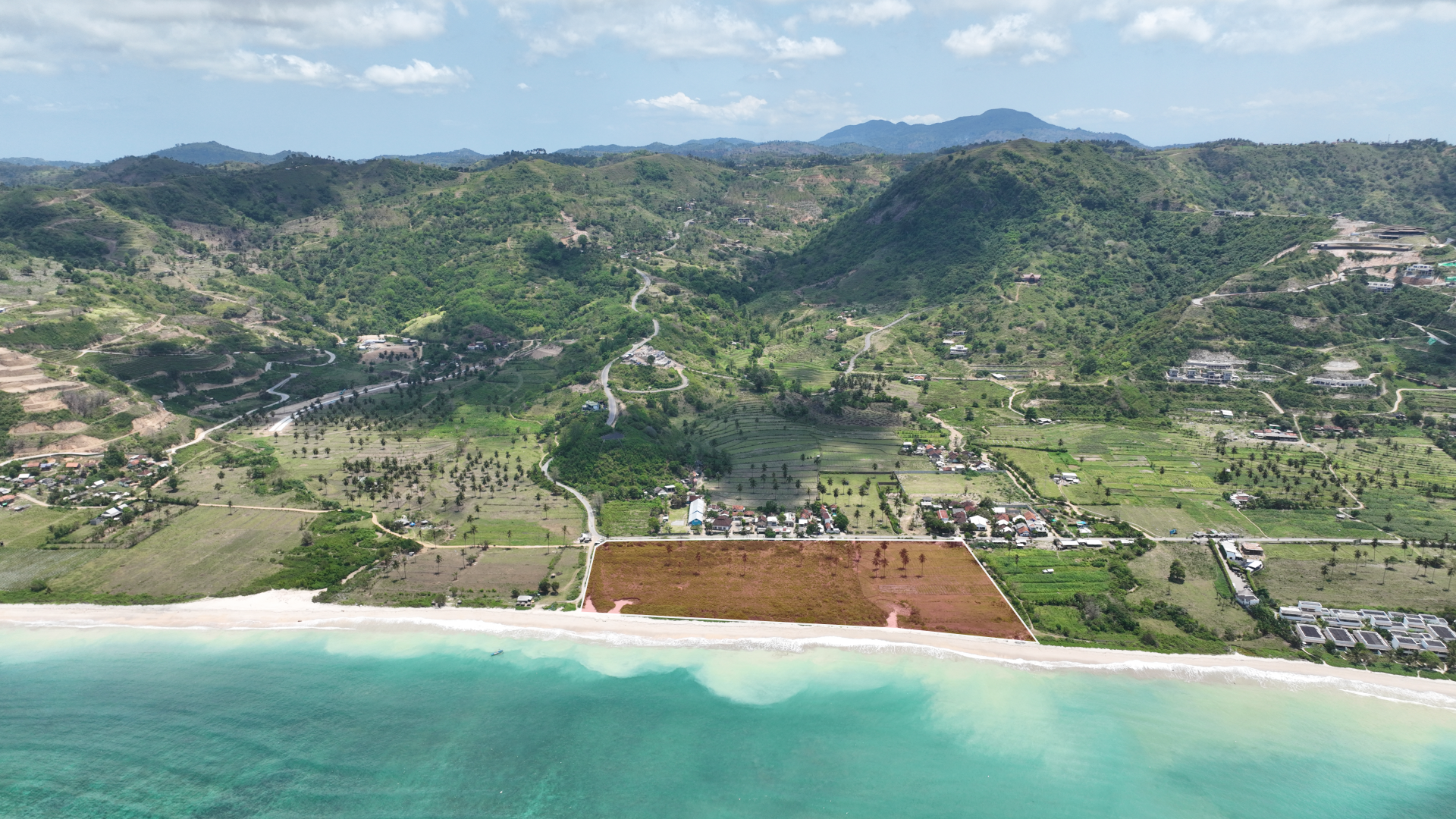
Regional zoning plans determine what type of development is permitted, whether residential, tourism, commercial, or agricultural. They may also include restrictions on building height, density, setbacks, and protected areas.
Purchasing land without confirming zoning can result in significant redesign costs—or in some cases, prevent your intended project altogether.
Checklist:
- Does zoning allow my proposed development?
- Are there height or density restrictions?
- Could future planning changes affect the site?
3. Review Legal Access
A beautiful property has limited value if legal access cannot be guaranteed.
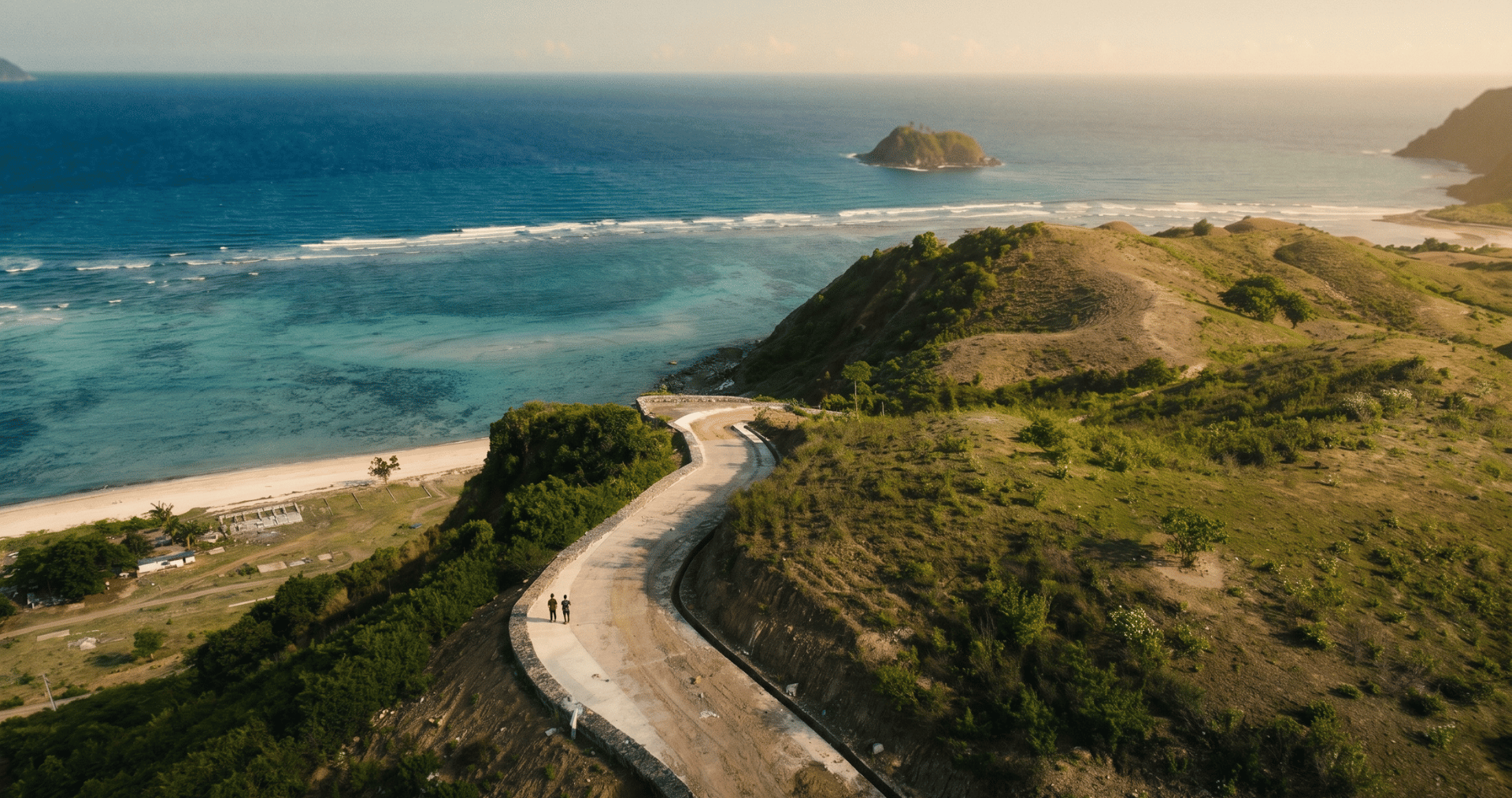
Confirm that the site has documented road access and that any shared roads or easements are legally recognised. Informal agreements with neighbouring landowners may not provide the long-term certainty required for future development.
Checklist:
- Is road access legally documented?
- Will construction vehicles be able to reach the site?
- Could neighbouring developments affect access in the future?
4. Assess Utilities and Infrastructure
Utilities can have a significant impact on both development costs and project timelines.
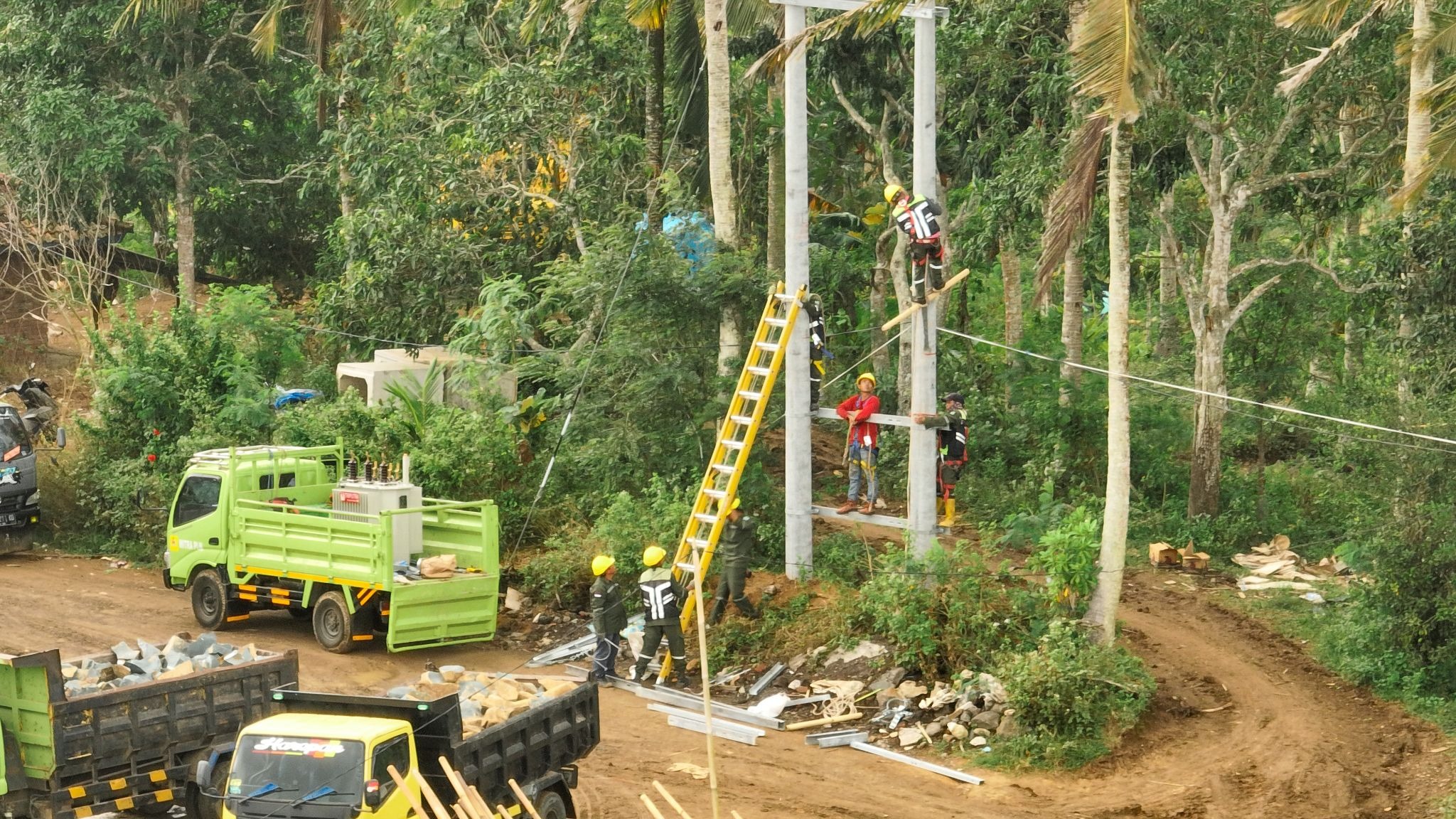
Evaluate the availability of electricity, water supply, drainage, wastewater systems, and internet connectivity. Extending infrastructure to remote sites may require substantial investment and should be factored into your feasibility assessment.
It's also worth considering future government infrastructure projects, such as new roads or airport upgrades, which may influence long-term property value.
Checklist:
- Is electricity readily available?
- What water source will be used?
- Is reliable internet accessible?
- Are infrastructure upgrades planned nearby?
5. Understand the Land Itself
The physical characteristics of a site directly influence construction costs.
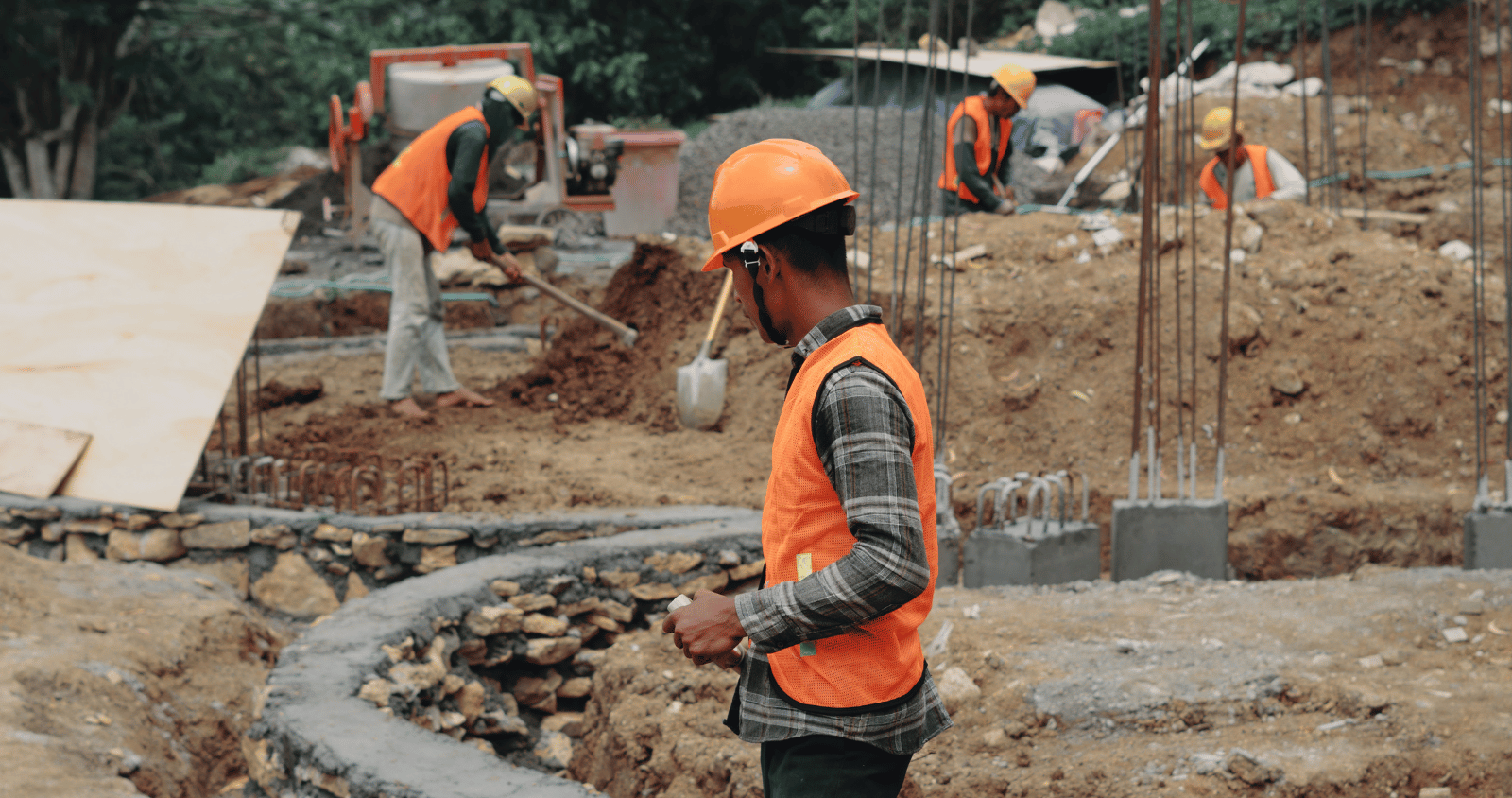
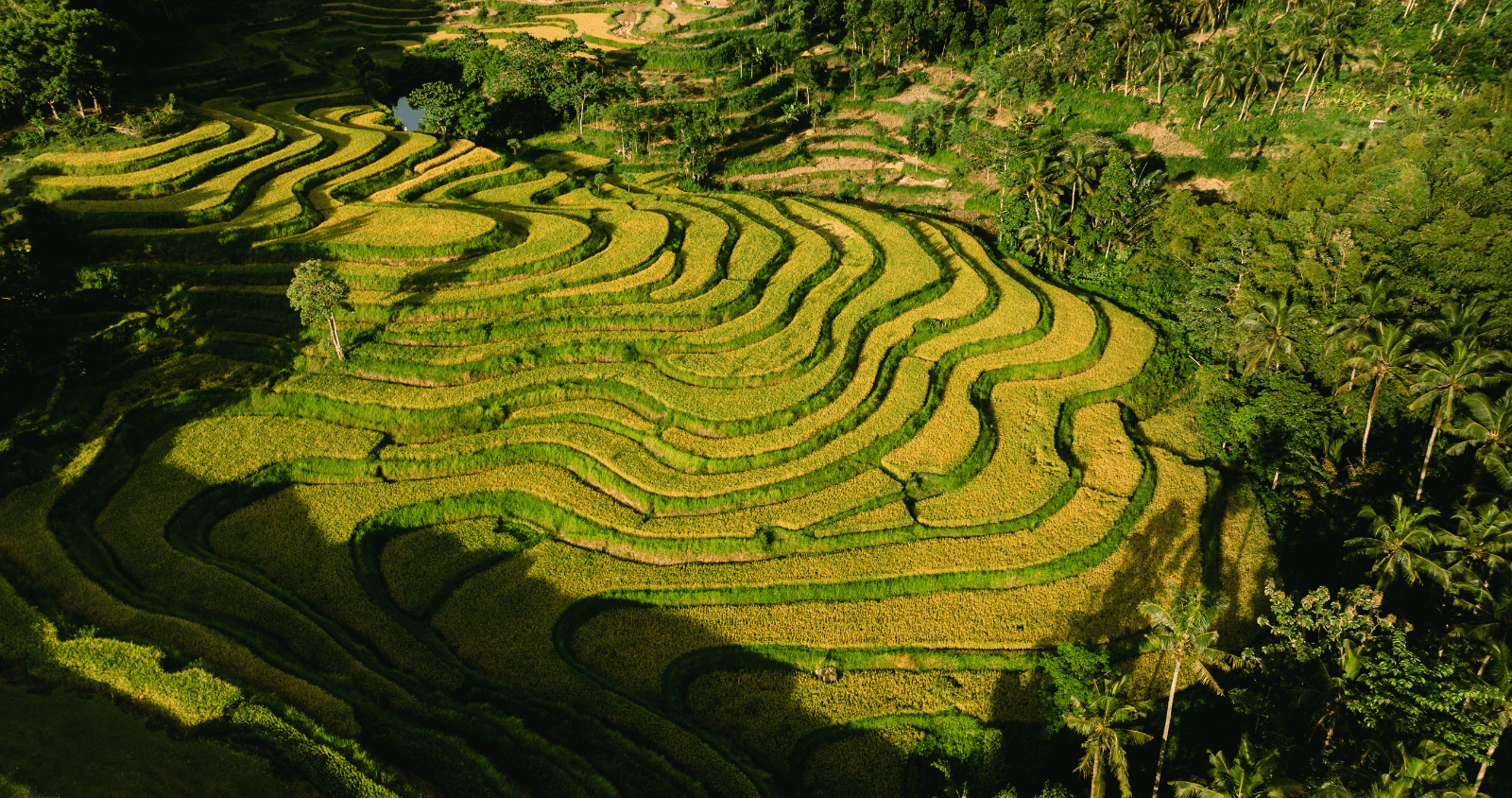
Topography, slope, drainage, soil quality, and flood risk should all be assessed before purchase. While sloping sites may offer exceptional views, they often require retaining walls and more complex engineering. Conversely, flat land may present drainage challenges during the rainy season.
Where appropriate, professional topographical surveys and soil investigations can provide valuable insight before finalising an acquisition.
Checklist:
- Does the site flood during heavy rainfall?
- What foundation type will be required?
- Will excavation or retaining structures increase costs?
6. Review Environmental Considerations
Indonesia's natural landscapes are one of its greatest strengths, but they also require responsible planning.
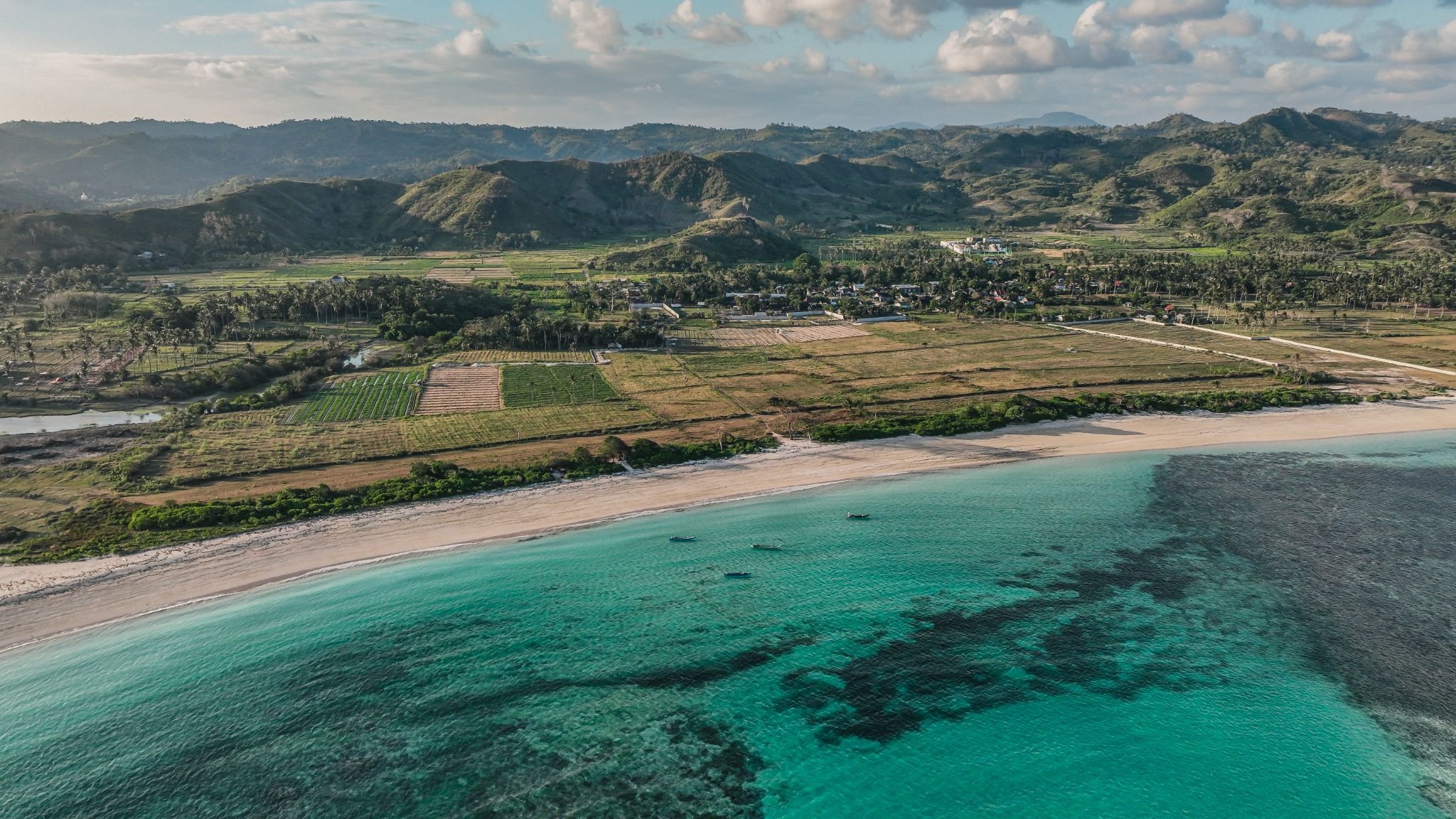
Depending on the location, environmental regulations may affect development near coastlines, rivers, mangroves, or protected areas. Understanding these requirements early helps ensure your project complies with local regulations while preserving the surrounding environment.
Checklist:
- Are there protected environmental areas nearby?
- Do setback requirements affect the buildable area?
- Will environmental approvals be required?
7. Evaluate Financial Feasibility
Purchasing land is only one component of the total investment.
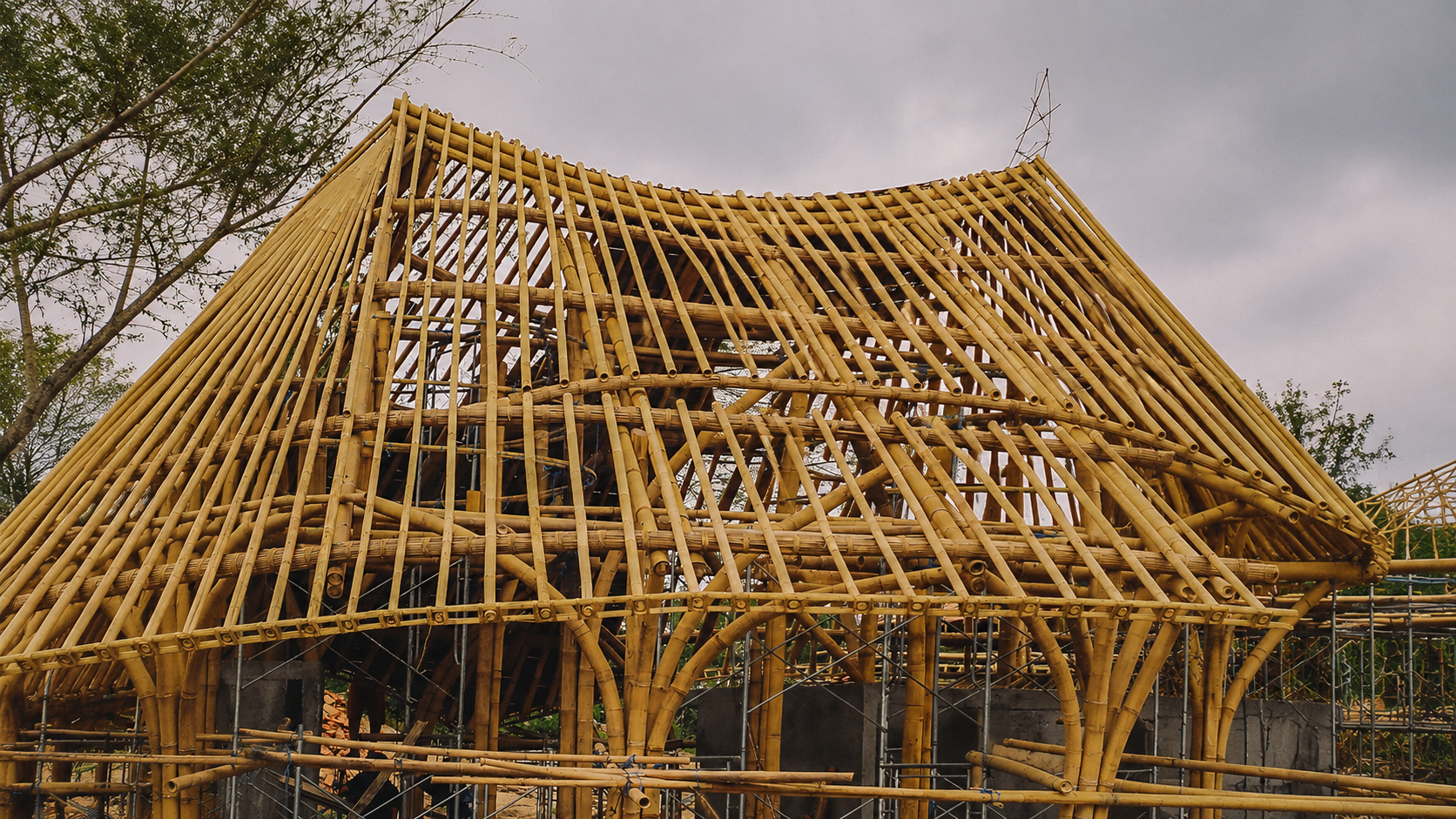
A thorough feasibility assessment should include acquisition costs, taxes, legal fees, design, permits, construction, infrastructure, financing, and contingency allowances. Understanding the complete development budget helps determine whether a project remains commercially viable before committing capital.
Experienced developers evaluate opportunities based on total project performance—not simply the purchase price.
Checklist:
- What is the true cost of developing the site?
- Does the expected return justify the investment?
- Have sufficient contingencies been included?
8. Build the Right Professional Team
Successful developments are rarely the result of one person's expertise.
Developers typically work alongside legal advisors, notaries, surveyors, architects, engineers, planners, and project managers throughout the due diligence process. Engaging experienced professionals early can reduce risk, improve decision-making, and identify issues before they become costly.
Common Mistakes Investors Make
Even experienced investors can overlook important details when purchasing land. Some of the most common mistakes include:
- Purchasing based solely on views or location without verifying zoning.
- Assuming utilities are available without confirmation.
- Relying on verbal agreements regarding road access.
- Underestimating infrastructure or site preparation costs.
- Skipping professional legal advice to save money.
- Failing to investigate flood risk or soil conditions.
- Making decisions before completing financial feasibility analysis.
Due diligence isn't about finding reasons not to invest; it's about making informed decisions with a clear understanding of both opportunities and risks.
A Practical Due Diligence Checklist
Before purchasing development land in Indonesia, ensure you have confirmed the following:
✔ Ownership has been legally verified.
✔ Land certificates have been reviewed.
✔ Zoning supports the intended development.
✔ Legal road access has been confirmed.
✔ Utilities are available or feasible.
✔ Topography and flood risk have been assessed.
✔ Soil conditions are suitable for construction.
✔ Environmental considerations have been reviewed.
✔ Total development costs have been modelled.
✔ Professional legal and technical advisors have been consulted.
Final Thoughts
Indonesia continues to present exceptional opportunities for property investment, particularly in emerging destinations such as Lombok. However, successful developments are built on informed decisions rather than assumptions.
Comprehensive due diligence provides investors with a clear understanding of a site's legal, technical, and commercial potential before significant capital is committed. While every project carries some level of risk, a structured due diligence process helps ensure those risks are understood, managed, and incorporated into sound investment decisions.


%402x%20(dark).svg)
%402x%20(dark).svg)

%402x.svg)


