
%402x.svg)
Increased Connectivity Is Becoming One of Lombok’s Strongest Growth Drivers
Tourism markets rarely grow through promotion alone.
More often, growth follows accessibility.
As destinations become easier to reach, visitor numbers tend to increase, awareness expands, and investment activity follows. This is why air connectivity remains one of the most important indicators when assessing the long-term trajectory of an emerging tourism market.
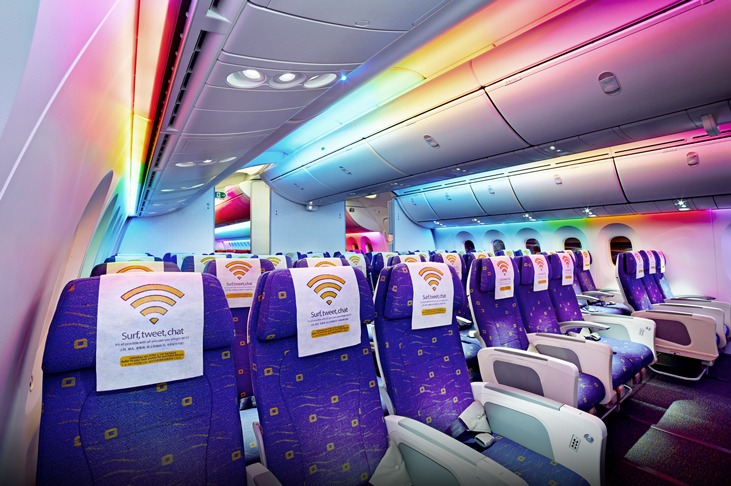
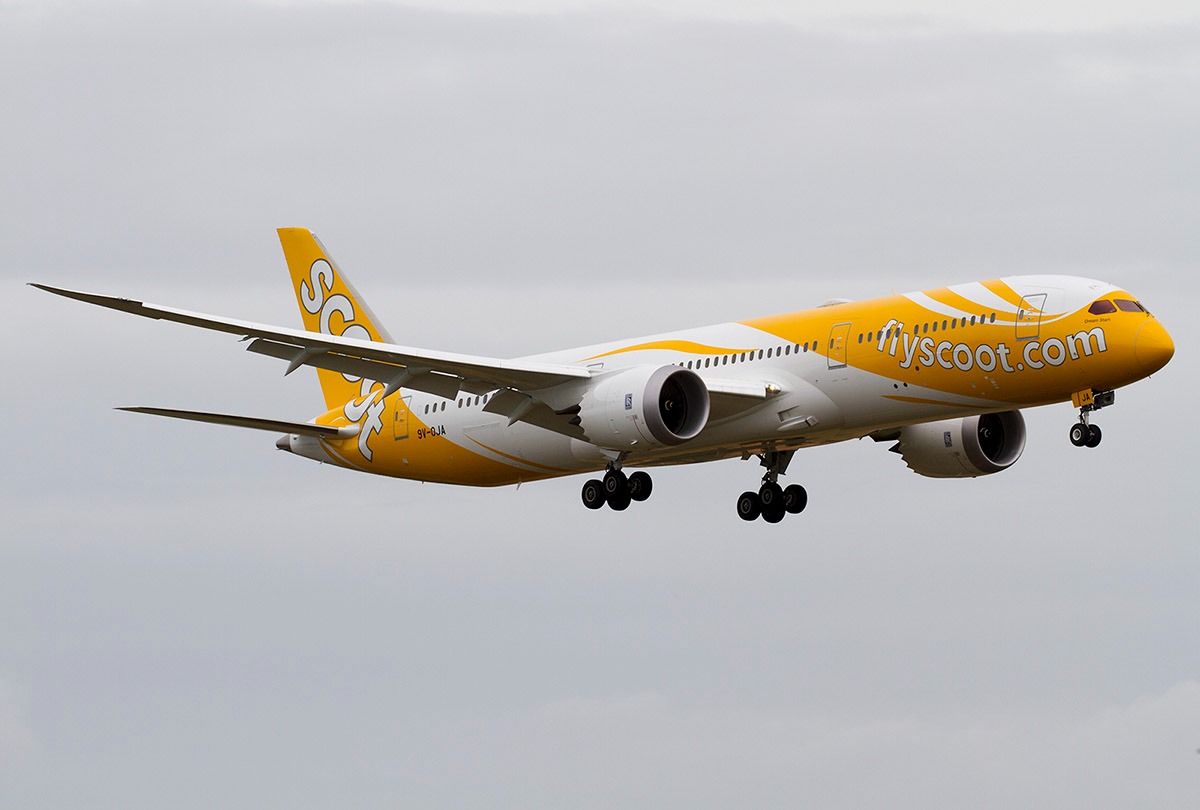
In June 2026, low-cost carrier Scoot announced a significant expansion of its Singapore–Lombok route, increasing services from four weekly flights to ten weekly return flights. While at first glance this may appear to be a routine airline schedule adjustment, it reflects a broader trend that has been shaping Lombok's development over the past several years: improving international access.
For Lombok, connectivity is becoming more than a tourism metric. It is increasingly part of the island's long-term growth story.

Read More: Indonesia’s Tourism Growth in 2026 — What It Means for Lombok
Why Singapore Matters
Singapore is one of Asia's most important aviation hubs.
Millions of travellers transit through Singapore Changi Airport every year, connecting Europe, Australia, North America, India, Japan, and Southeast Asia through a single gateway.
When airlines increase capacity between Singapore and a destination, they are not simply connecting two cities. They are improving access to an entire international travel network.
For Lombok, the expansion means easier access for visitors arriving from key source markets, including Australia, India, Japan, Malaysia, and Singapore itself.
This is particularly significant because international tourism growth is often constrained by accessibility rather than demand. A destination may offer world-class beaches, hospitality experiences, and natural attractions, but growth remains limited if reaching it requires multiple connections or infrequent flights.
Increasing flight frequency helps reduce that friction.

Lombok's Position Is Evolving
For many years, Bali served as the primary gateway for international visitors exploring Indonesia's island destinations.
Lombok was often viewed as an extension of a Bali itinerary rather than a standalone destination.
That perception has gradually changed.
Infrastructure investment, the development of the Mandalika Special Economic Zone, improvements to Zainuddin Abdul Madjid International Airport, and growing international awareness have all contributed to Lombok's emergence as an independent destination.
The expansion of direct international air services is another indication of this evolution.
Rather than relying solely on visitors arriving through Bali, Lombok is becoming increasingly connected to regional and international travel networks in its own right.
The Importance of Frequency
In aviation, frequency often matters as much as the route itself.
A destination served by one or two weekly flights remains relatively difficult to access. Travellers have fewer scheduling options, missed connections become costly, and tour operators face greater planning limitations.
As flight frequency increases, accessibility improves.
For travellers, this means greater flexibility.
For airlines, it often reflects growing confidence in passenger demand.
For destinations, it creates stronger foundations for tourism growth throughout the year rather than during isolated peak periods.
The increase to ten weekly services effectively gives Lombok near-daily connectivity with one of Asia's most important transport hubs.
Beyond Tourism
Improved air access has implications that extend beyond visitor numbers.
Growing connectivity supports business travel, hospitality development, events, conferences, and investment activity.
It also increases visibility.
Destinations that become easier to reach tend to attract greater attention from travel media, hospitality operators, international brands, and investors evaluating emerging markets.
This does not mean connectivity alone guarantees growth.
However, it is often one of the enabling conditions that allows broader economic development to occur.
A Continuing Trend
The expansion of Scoot's Singapore–Lombok route should not be viewed as an isolated announcement.
It forms part of a wider pattern that has been unfolding across Lombok in recent years.
International recognition has increased.
Tourism arrivals have strengthened.
Infrastructure continues to improve.
Air connectivity is expanding.
Taken individually, each development may appear incremental. Together, they point toward a destination becoming increasingly integrated into regional travel networks.
Looking Ahead
Markets typically evolve in stages.
Infrastructure creates access.
Access drives visitation.
Visitation attracts investment.
Investment improves the overall destination offering.
Lombok remains in the midst of this process.
The addition of more frequent flights from Singapore does not transform the market overnight. But it does represent another step in a direction that has become increasingly clear.
As connectivity continues to improve, Lombok's position within the Asia-Pacific tourism landscape is likely to become stronger, more visible, and more accessible than ever before.


%402x%20(dark).svg)
%402x%20(dark).svg)

%402x.svg)


