
%402x.svg)
Indonesia's tourism recovery is no longer a prediction, it's becoming measurable.
Between January and May 2026, the country welcomed 6.07 million international visitors, according to Indonesia's Central Statistics Agency (BPS). That's a 7.68% increase compared with the same period last year and the strongest January-to-May performance since 2020.
On paper, these are national tourism statistics. But for destinations like Lombok, they tell a much broader story.
As international travel continues to recover, travellers are no longer looking at Indonesia as a single destination. They're exploring different islands, different experiences, and increasingly, places beyond Bali.
.png)
Read More: The 3 Decisions That Define a Successful Development | Real Estate Strategy
A Growing Market Creates New Opportunities
In May alone, Indonesia recorded 1.38 million international arrivals, with Malaysia, Australia and Singapore remaining the country's three largest visitor markets.
Australia is particularly important for Lombok.
Australian travellers have long been drawn to Indonesia for its beaches, surf culture and tropical climate. While Bali remains the first stop for many, growing visitor numbers naturally create demand for nearby destinations that offer a different experience.
That's where Lombok continues to strengthen its position.
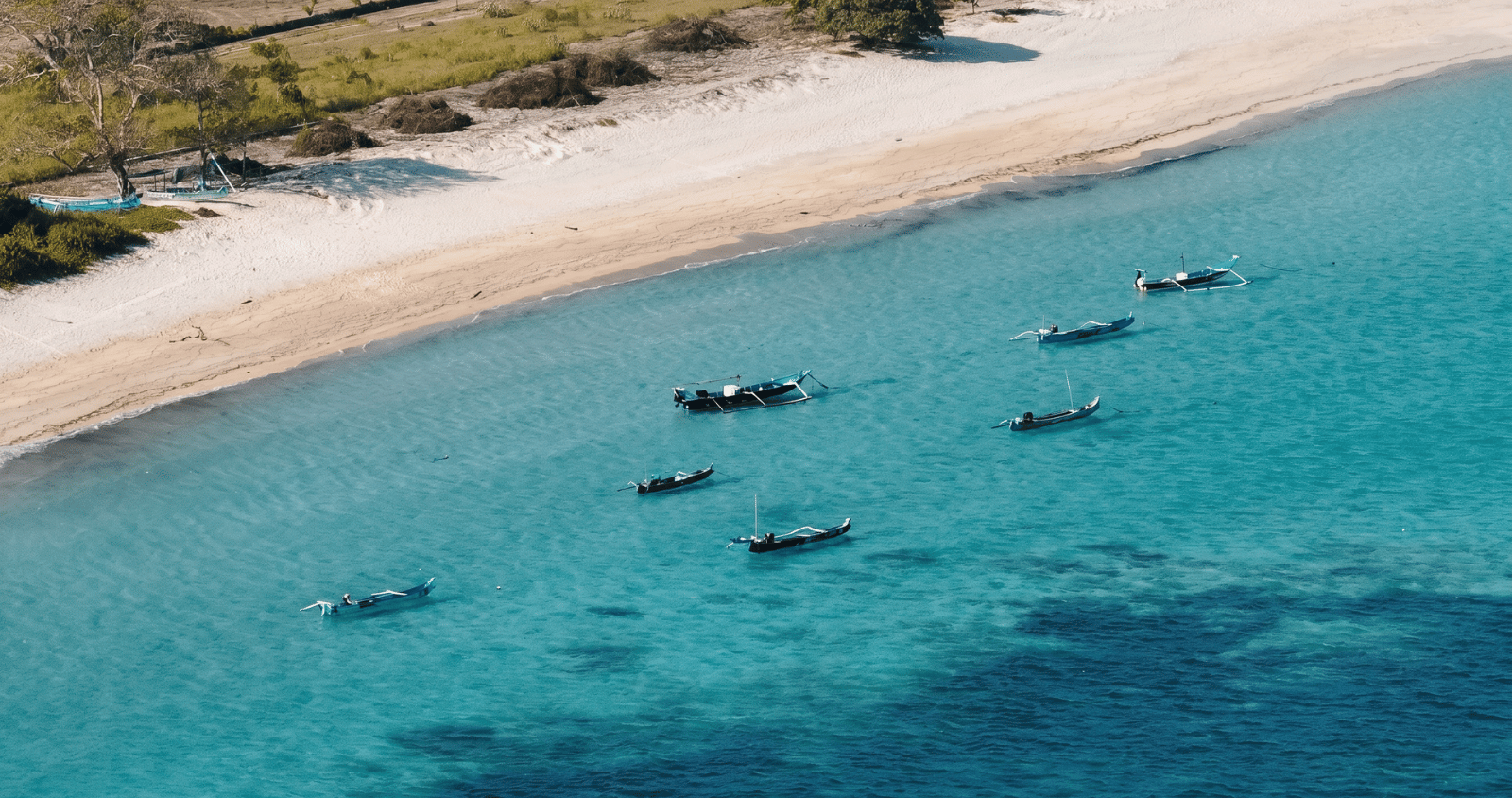
With quieter beaches, established surf breaks, mountain landscapes and a slower pace of life, the island appeals to travellers looking for something beyond Bali's busiest tourist centres.
Tourism Growth Isn't Just About Visitor Numbers
Tourism data often focuses on arrivals, but the bigger question is what those visitors do once they arrive.
They stay in hotels and villas.
They eat in local restaurants.
They book tours, hire transport, and spend time exploring surrounding destinations.
As visitor numbers grow, so does demand for hospitality infrastructure—not only in established markets but also in destinations that still have room to develop thoughtfully.
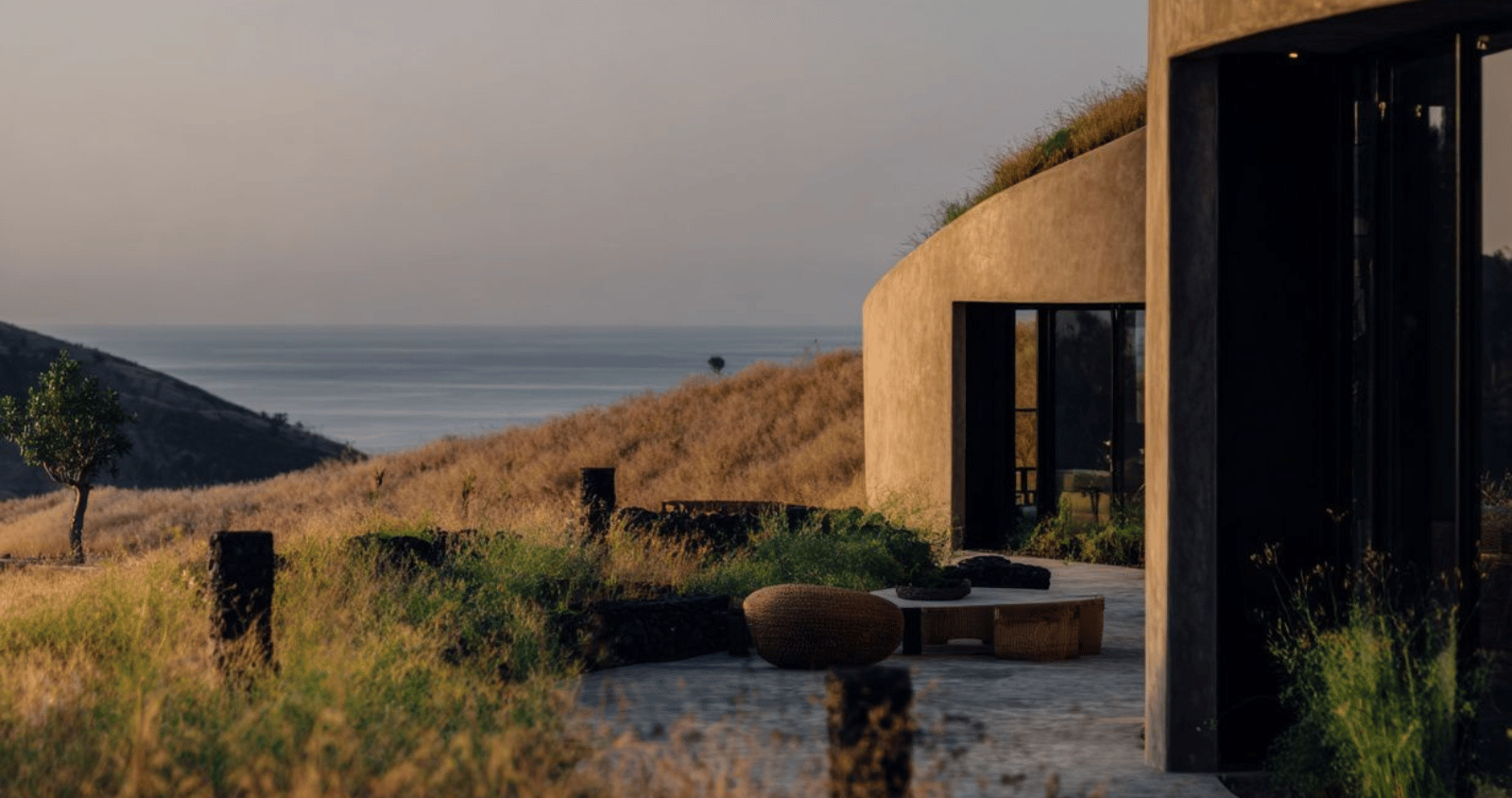
This is one reason Lombok has attracted increasing attention over recent years. Rather than expanding through high-density tourism, much of the island's development has focused on boutique hospitality, wellness experiences and lower-density accommodation that complements the natural landscape.
Domestic Tourism Is Growing Too
International arrivals tell only part of the story.
BPS also reported that Indonesians made more than 523 million domestic trips between January and May 2026, the highest figure recorded since 2021.
That matters because domestic tourism helps create a more resilient visitor economy.
Rather than relying solely on overseas markets, destinations benefit from year-round travel driven by both Indonesian and international visitors. For hospitality businesses, that creates a broader customer base and helps reduce seasonal fluctuations.

Why Lombok Is Well Positioned
Lombok has spent the past decade steadily building its tourism profile.
Infrastructure improvements, growing international flight connections, the development of Mandalika, and increasing interest in surfing, wellness and nature-based travel have all contributed to greater awareness of the island.
At the same time, many travellers are actively seeking destinations that feel less crowded and more connected to nature.
That shift plays to Lombok's strengths.
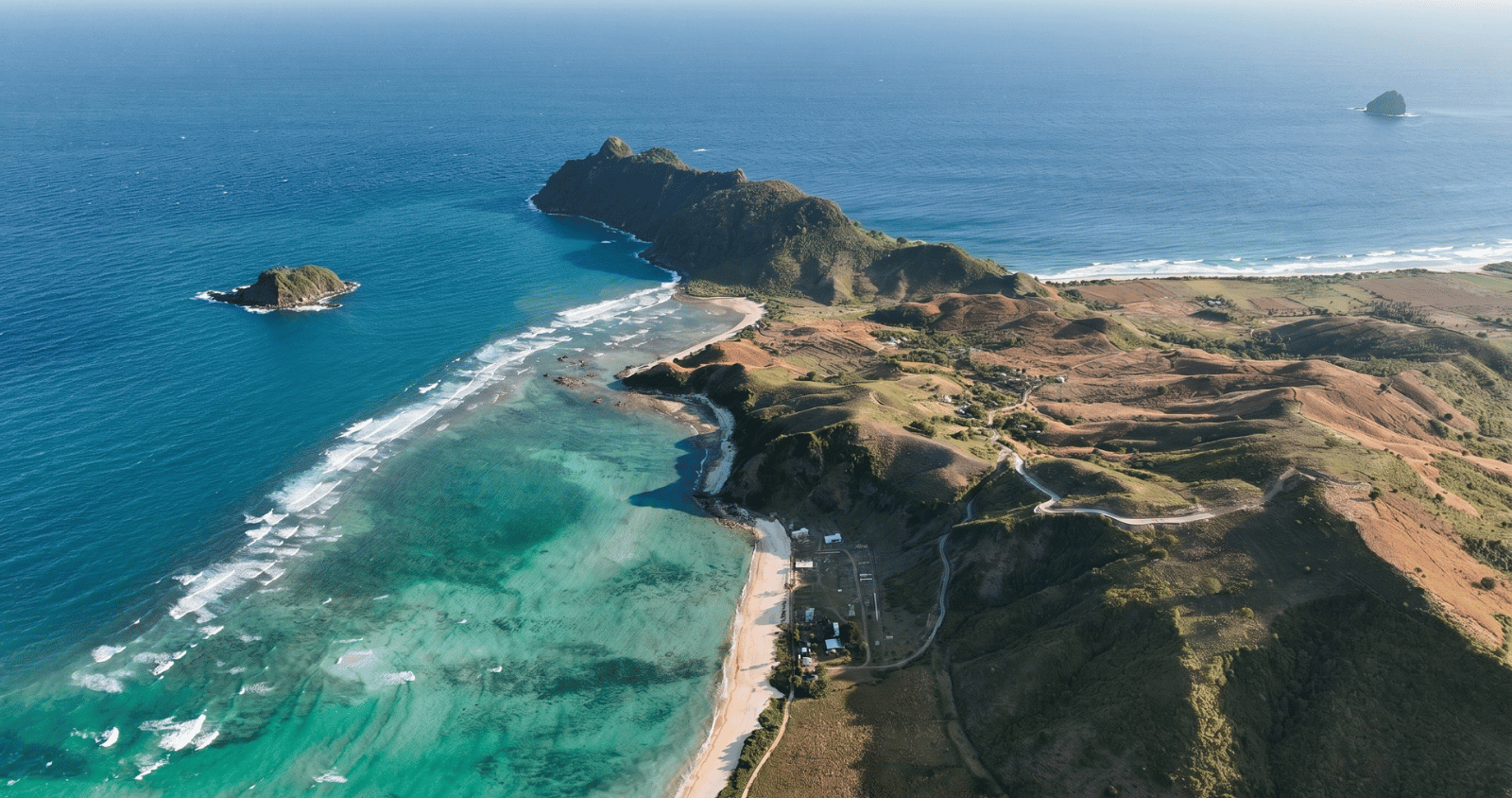
The island isn't trying to become another Bali. Its appeal lies in offering something different—more space, quieter surroundings and a slower style of travel that aligns with changing visitor preferences.
Read More: Arkana Lombok | The First Chapter of Mandala Eco-Resort Begins
Looking Ahead
Tourism numbers alone don't define a destination.
What matters is how destinations respond to that growth.
Indonesia's latest visitor figures suggest demand continues to rise, creating opportunities for places that can balance tourism with long-term planning.
For Lombok, that means focusing on quality over quantity—developments that respect the landscape, strengthen local communities and create experiences people want to return to.
As Indonesia's tourism industry continues to evolve, destinations that grow thoughtfully are likely to benefit the most.
Sources
- Badan Pusat Statistik (BPS) – Press Release, 1 July 2026
- Ministry of Tourism, Republic of Indonesia


%402x%20(dark).svg)
%402x%20(dark).svg)

%402x.svg)


