
%402x.svg)
For many destinations, business interest arrives suddenly. A location gains visibility, international attention increases, and commercial activity follows in quick succession. Cafés open, hospitality concepts multiply, and foreign entrepreneurs begin to explore opportunities.
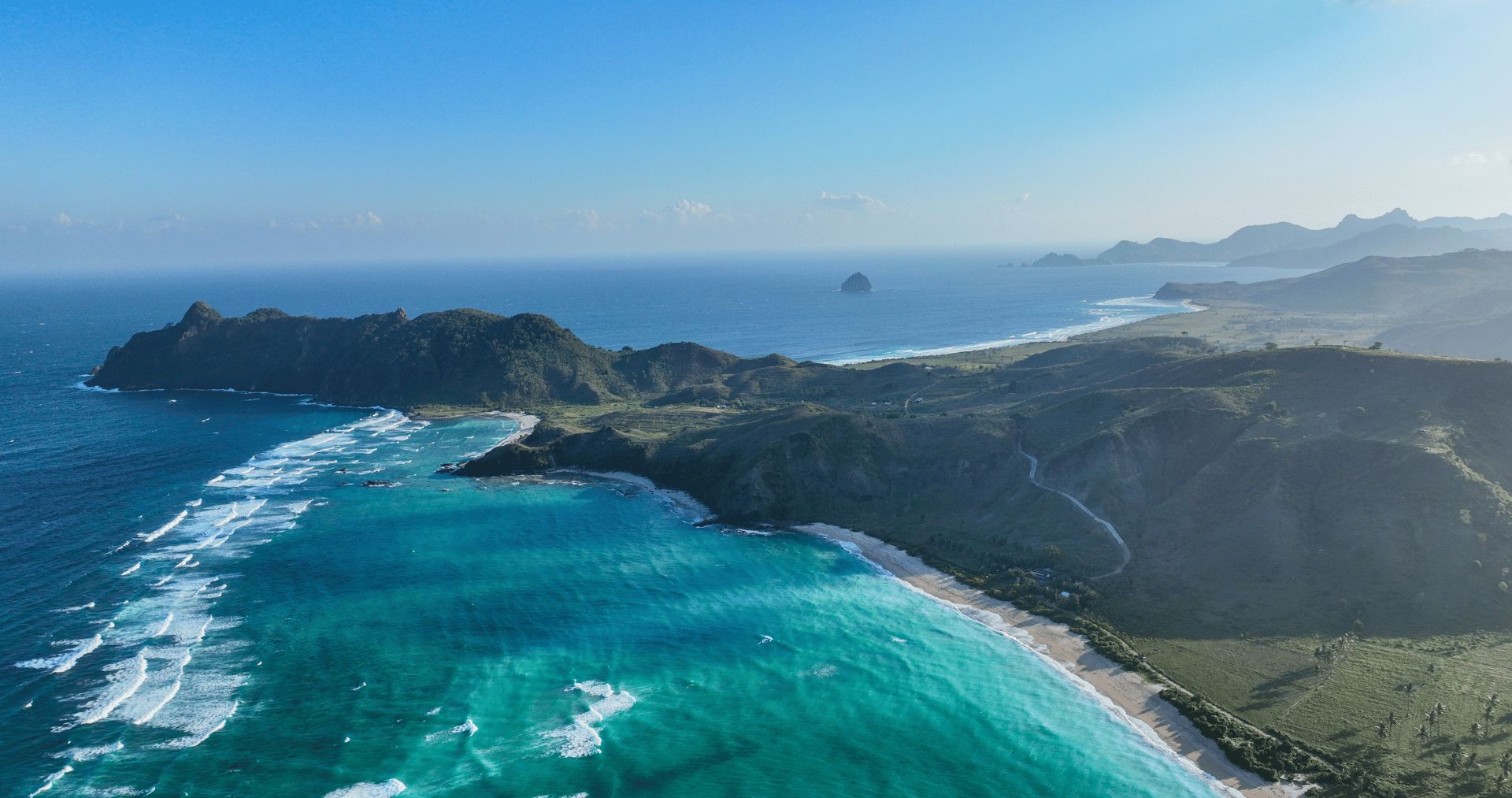
Lombok has followed a different trajectory.
Rather than experiencing a single surge, the island has evolved gradually. Interest has grown through infrastructure, long-stay visitors, and people choosing to remain rather than pass through. For foreigners considering whether Lombok is a good place to start a business, this distinction matters.
The question is not whether Lombok offers opportunity. It is whether the opportunity aligns with long-term intentions.
Read More: The Making of Long-Term Value in Coastal Destinations
Beyond the Idea of Opportunity
Starting a business in Lombok is often framed as an alternative to more established markets. Lower costs, less competition, and room to grow are commonly cited advantages.
In practice, Lombok requires a different mindset.
Markets here develop through patience rather than speed. Consumer behaviour is shaped by seasonality, community ties, and routine rather than constant novelty. Businesses that succeed tend to integrate into daily life instead of relying on volume alone.
This is why many foreign-owned businesses in Lombok are started by people who live on the island first. The decision to build commercially often follows the decision to stay.
Who Lombok Attracts as Business Builders
Foreigners who establish businesses in Lombok typically share similar characteristics. They are not usually chasing rapid expansion or quick exits. Instead, they are entrepreneurs, expats, and investors looking for sustainability both commercially and personally.
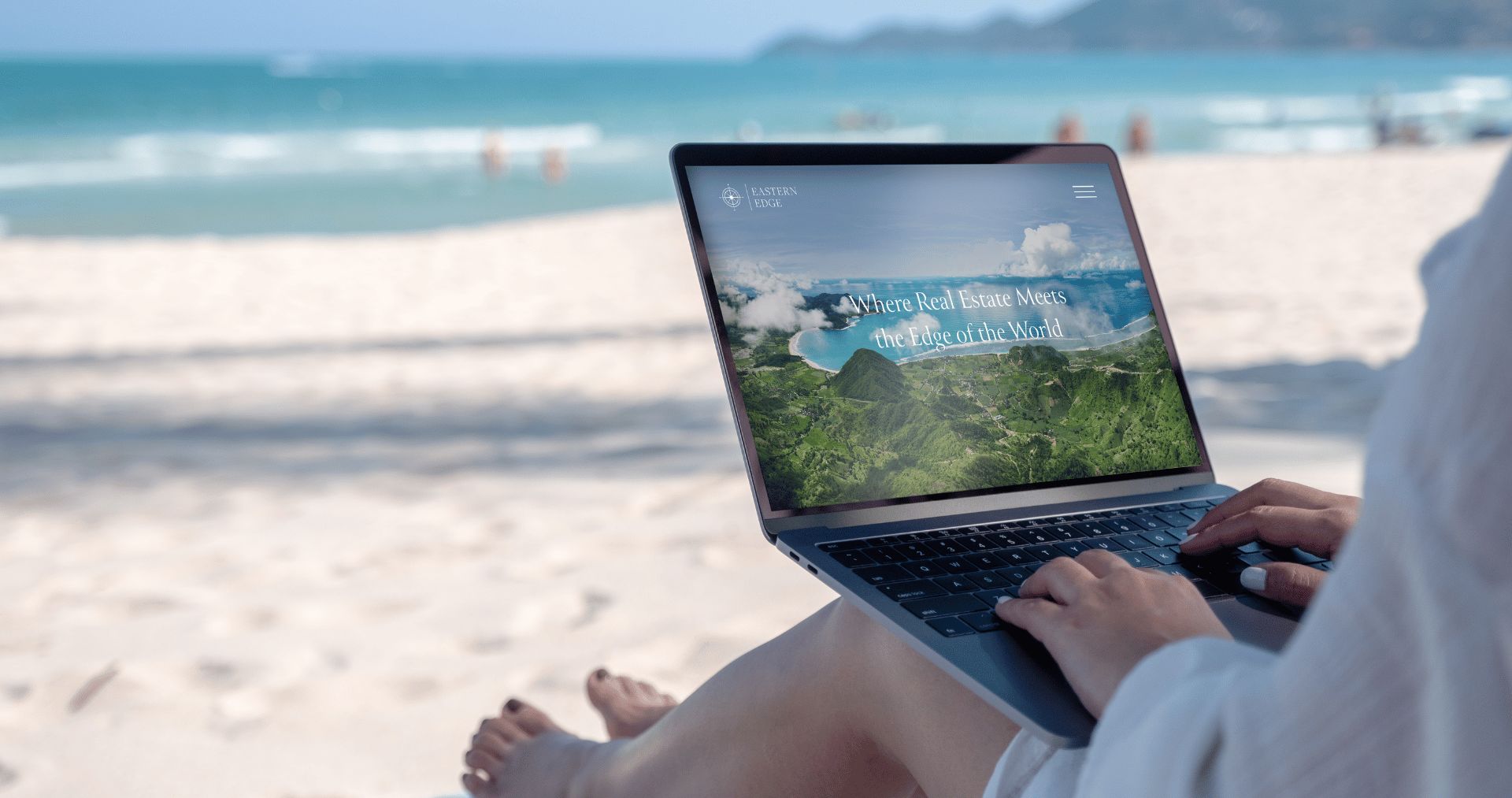
Some arrive with hospitality backgrounds. Others come from wellness, tourism services, property support, or remote-enabled industries. Increasingly, future property buyers use business ownership as a way to understand Lombok before making longer-term commitments.
What connects them is a willingness to adapt to local pace and systems.
The Role of Legal Structure
From a regulatory perspective, Lombok is no different from the rest of Indonesia. Foreigners cannot legally operate most businesses in their personal name.
A PT PMA (foreign-owned company) remains the most secure structure for foreigners who intend to operate properly, employ staff, open bank accounts, and remain long term. While informal arrangements exist, they often introduce uncertainty that becomes problematic over time.
Those who take a long-term view tend to prioritise clarity over convenience.
Location as a Business Decision
One of the most common misconceptions is that Lombok functions as a single market.
In reality, business conditions vary significantly by area. Tourist-driven zones behave differently from residential communities. Coastal regions respond differently to seasonality than inland towns. Access, infrastructure, and local population density all influence commercial viability.
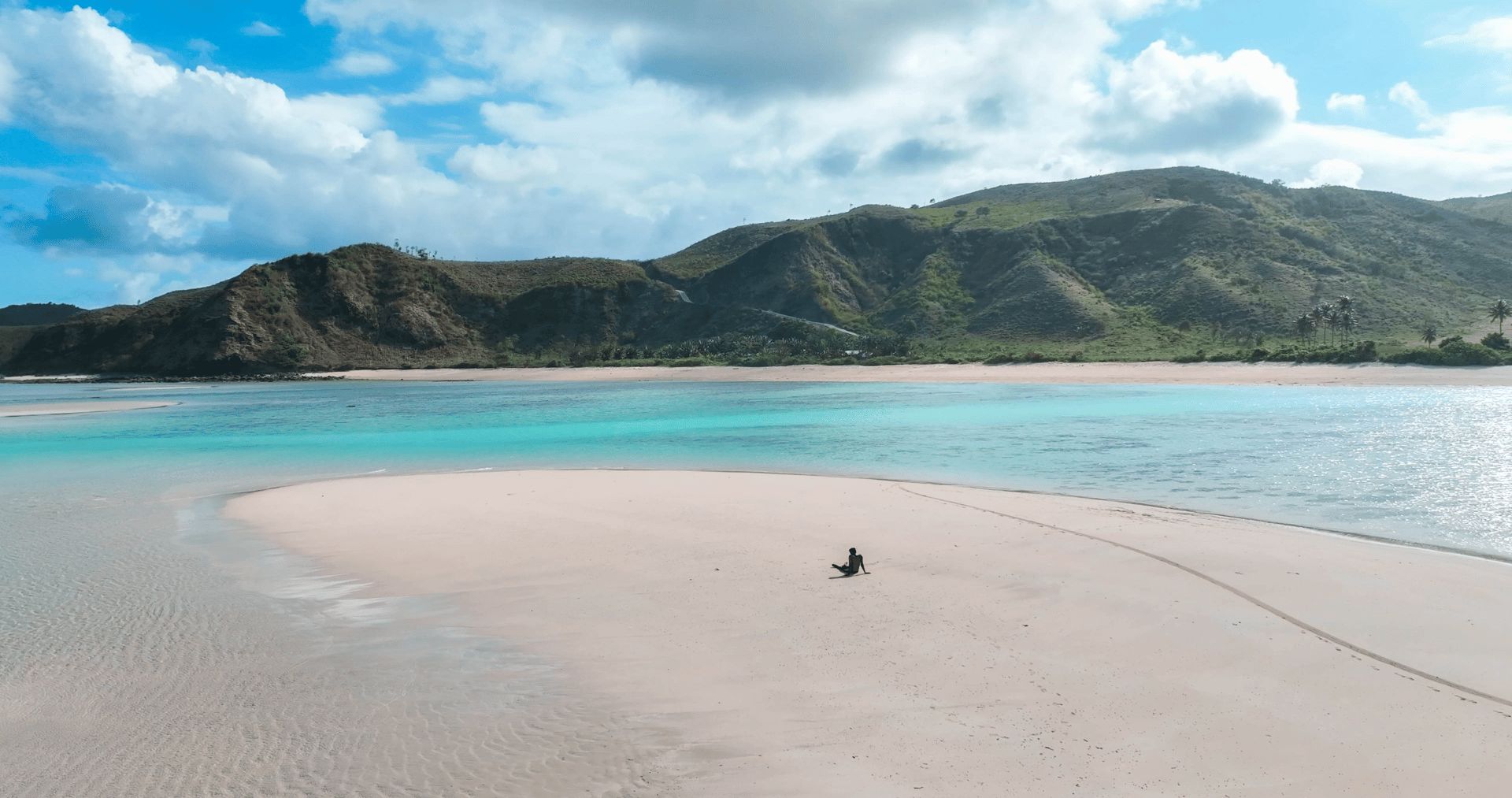
South Lombok, for example, has attracted increasing interest as roads and connectivity improve. Yet even here, successful businesses tend to be well-positioned rather than centrally exposed.
Understanding location is often more important than refining a concept.
This is where on-the-ground insight becomes essential. Groups such as Eastern Edge, which work closely with land and long-term development planning, frequently observe that businesses aligned with location strategy outperform those driven purely by aesthetics or trend.
Everyday Function Over Spectacle
Businesses in Lombok that endure tend to support everyday routines.
Cafés that serve locals and long-stay residents. Hospitality projects that prioritise return guests over high turnover. Services that respond to how people actually live, rather than how destinations are marketed.

This mirrors a broader pattern seen in Lombok’s property market: long-term value is shaped by ordinary days, not peak moments.
Foreigners who understand this tend to build businesses that remain relevant beyond initial interest.
The Reality of Operating in Lombok
Lombok offers opportunity, but it also demands adjustment.
Administrative processes take time. Licensing requires persistence. Communication styles differ. Supply chains can be limited. Progress is steady rather than immediate.
Those who approach Lombok expecting frictionless execution often become frustrated. Those who approach it with patience and local engagement usually find the system workable.
In this environment, presence matters. Many successful business owners remain closely involved, particularly in the early years.
Lombok as a Long-Term Business Environment
For foreigners thinking beyond short cycles, Lombok presents a particular appeal.
Infrastructure continues to improve. International awareness grows gradually. Yet many areas remain intentionally underdeveloped, shaped by geography and planning constraints rather than saturation.

This creates space for businesses that value longevity over speed.
For investors and future property buyers, operating a business can also function as a form of due diligence offering insight into demand, regulation, and community dynamics before deeper commitments are made.
A Considered Conclusion
So, is Lombok a good place to start a business as a foreigner?
For those seeking rapid scale or immediate returns, it may not be the easiest environment. But for entrepreneurs, expats, and investors willing to build patiently, Lombok offers something increasingly uncommon: a market where growth still aligns with place.
Here, success tends to come not from timing attention, but from understanding rhythm.
Businesses that respect this tend to last.
Considering Lombok as a Place to Build?
If you are exploring Lombok as a place to live, invest, or establish a long-term business and would value grounded, on-the-ground perspective, you’re welcome to reach out.
📩 Email: info@easternedge.co
Often, clarity comes not from promotion, but from conversation.


%402x%20(dark).svg)
%402x%20(dark).svg)

%402x.svg)


