
%402x.svg)
By October 2025, tourism arrivals in Nusa Tenggara Barat had reached approximately 2.09 million visits, placing the province within reach of its annual target of 2.3 million. For Lombok, this milestone reflects more than a strong finish to the year. It marks a period of consolidation, where growth is no longer exceptional, but increasingly consistent.
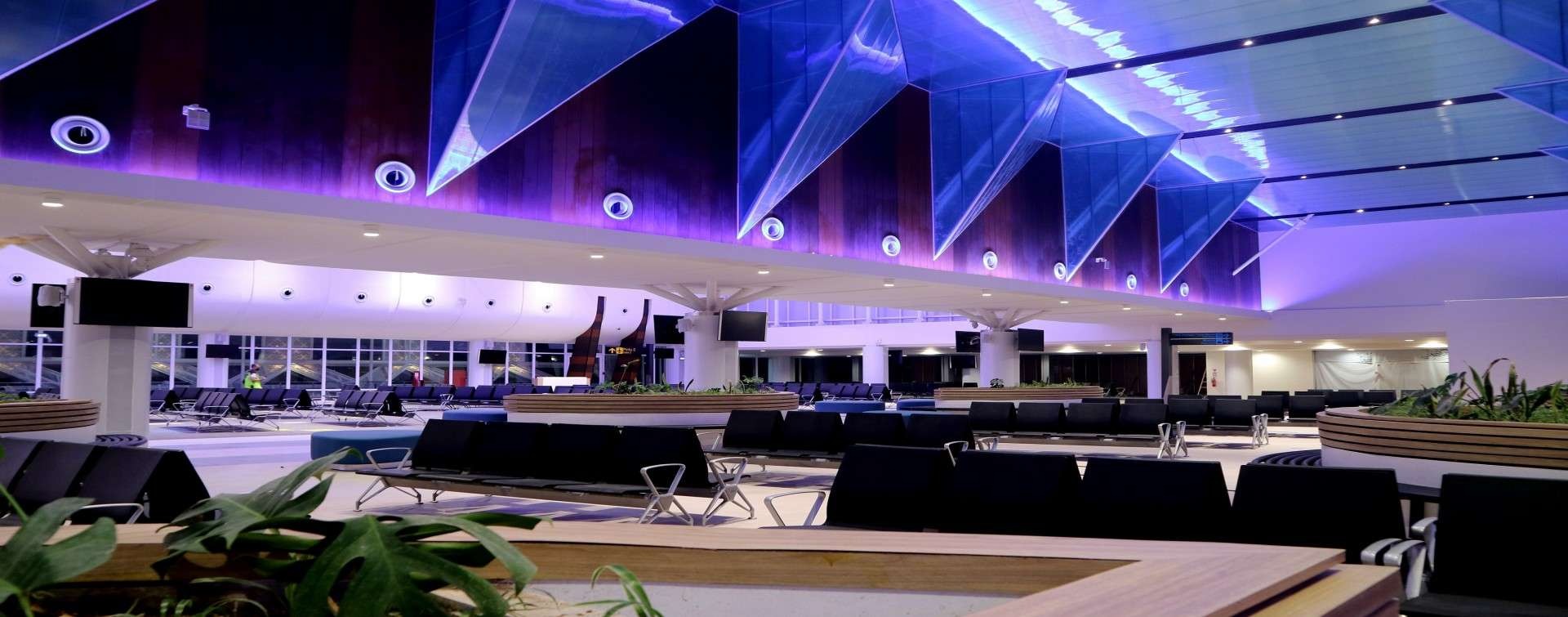
From a surface perspective, the story appears straightforward. Visitor numbers are rising. Seasonal peaks remain strong, particularly toward the end of the year, when school holidays and the year-end period traditionally drive higher volumes. International arrivals are also trending upward, with year-on-year growth recorded across 2025.
But beyond the numbers, a quieter shift is taking place.
For those observing Lombok closely, the more important signal is not how many people are arriving, but how they are arriving and what that suggests about the island’s position in a maturing travel market.
Read More: Is Lombok a Good Place to Start a Business as a Foreigner?
Growth That Extends Beyond Event Cycles
Tourism growth is often shaped by short-term momentum. Events, promotions, or temporary rebounds can lift numbers quickly, only for interest to settle again once the moment passes.
What distinguishes Lombok’s recent performance is its breadth and continuity.
While the year-end period remains a high season, visitor growth in 2025 has not been confined to a single driver. Domestic and international markets have both contributed steadily. International arrivals, in particular, have shown meaningful year-on-year increases, reinforcing Lombok’s role as a destination that is no longer dependent on novelty alone.
This aligns with broader efforts by the provincial government to balance quantity with quality not only increasing visitor numbers, but shaping how tourism activity is distributed, coordinated, and sustained.
Rather than focusing exclusively on headline growth, attention has increasingly shifted toward structure: how tourism functions across regions, how events are harmonised between village, district, and provincial levels, and how connectivity supports long-term access rather than short-term surges.
Connectivity as a Foundation, Not a Catalyst
Improved access has played a visible role in Lombok’s recent momentum.
The opening of new domestic routes, including connections to Malang, Banyuwangi, Tambolaka, and Waingapu, has strengthened Lombok’s position within eastern Indonesia. Plans for additional domestic and international routes including Australia, Southeast Asia, and beyond point toward a longer-term strategy of integration rather than expansion for its own sake.
Importantly, these developments are incremental.
They reduce friction. They shorten travel times. They make Lombok easier to reach and easier to return to. But they do not fundamentally change the character of the island overnight. Instead, they allow demand to mature naturally, supporting repeat travel and longer stays rather than encouraging volume-driven churn.
In this sense, infrastructure in Lombok functions as a support system, not a signal. It enables continuity rather than creating spectacle.
From Volume-Led Tourism to Intent-Led Travel
As access improves and familiarity grows, behaviour begins to shift.
What is increasingly observable in Lombok is a move away from volume-led tourism toward intent-led travel. Visitors are staying longer. They are choosing fewer bases. They are spending more time in one place, rather than moving rapidly between destinations.

This pattern reflects a broader preference for environments that feel grounded rather than transactional. Places where daily life has rhythm. Where privacy, space, and landscape matter more than density or constant activity.
From a market perspective, this shift is significant. Intent-led travel tends to be more stable. It supports repeat visitation. It favours locations and developments that prioritise coherence, design quality, and integration with the surrounding environment.
This is also where long-term value begins to separate itself from short-term attention.
What This Means for Lombok’s Long-Term Trajectory
Tourism numbers tell us that Lombok is growing. Behaviour tells us how that growth is evolving.
The current phase suggests an island moving beyond recovery and into maturity. Growth is no longer defined solely by peaks or events, but by consistency. By repeat engagement. By the gradual formation of loyalty rather than momentary interest.
.jpg)
For those considering Lombok as a place to live, build, or invest sustainably, this distinction matters. Markets anchored in behaviour tend to be more resilient than those driven by momentum alone. They reward patience, thoughtful location choices, and alignment with how people actually use a place over time.
Lombok will continue to attract attention. New routes will open. Visitor numbers will rise and fall with seasons. But beneath that visibility, a more durable foundation is forming one shaped by experience, access, and the slow accumulation of familiarity.
Growth is visible.
Value, as always, takes longer.


%402x%20(dark).svg)
%402x%20(dark).svg)

%402x.svg)


