
%402x.svg)
North Lombok is quietly but steadily reshaping its position on Indonesia’s tourism map. Recent visitor data highlights a destination gaining confidence, depth, and international relevance not through spectacle, but through consistency.
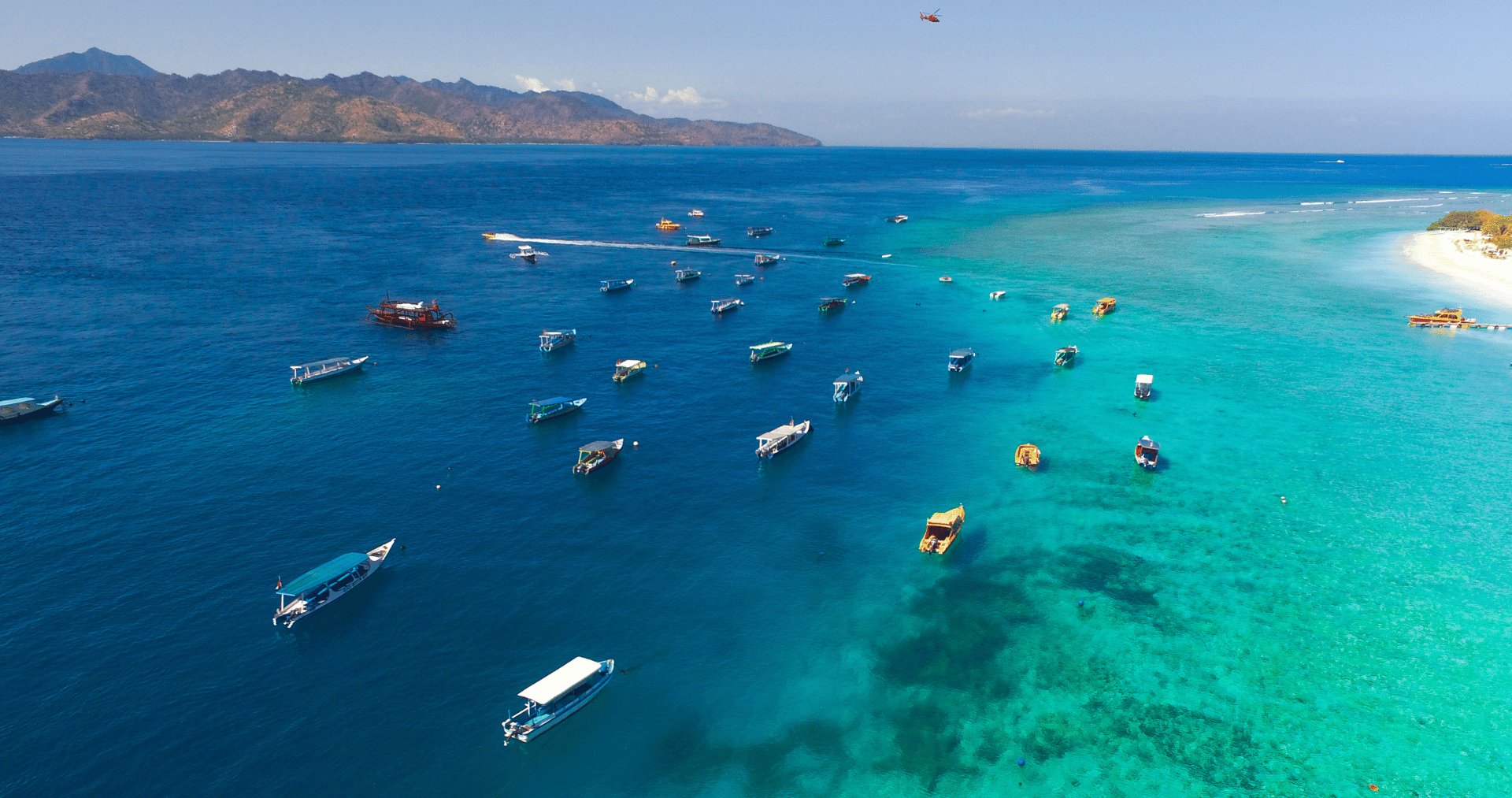
By October 2025, tourist arrivals to North Lombok Regency had surpassed 661,000 visitors, continuing an upward trajectory seen over recent years. More telling than the headline figure is what sits behind it: a growing perception of Lombok as a destination offering balance — between nature and access, culture and comfort, growth and preservation.
Read More: Mandalika 2026 - Motorsport, Momentum, and the Making of a Year-Round Destination
The Gili Islands: A Stable Anchor
At the centre of North Lombok’s tourism story remain the Gili Islands — Gili Trawangan, Gili Meno, and Gili Air. Long established as global travel icons, the Gilis continue to draw international visitors with their white-sand beaches, clear waters, and healthy marine ecosystems.
What has evolved is the supporting framework around them. Improvements in transport access, public infrastructure, and tourism services have strengthened North Lombok’s ability to host visitors more consistently, reducing seasonality and enhancing overall experience quality.
A Shift in International Perception
According to data from the NTB Tourism Office, international arrivals increased significantly throughout 2025, led by visitors from Australia, France, and Germany. This shift reflects a broader trend: Lombok is increasingly viewed not as an alternative to Bali, but as a destination with its own identity.

For many travellers, that identity is shaped by authentic Sasak culture, less congestion, and closer proximity to natural landscapes — qualities that resonate strongly with today’s experience-led travel preferences.
Beyond the Coastline
While coastal tourism remains central, North Lombok’s appeal extends inland. Natural attractions such as Tiu Kelep and Sendang Gile Waterfalls, located near Mount Rinjani, continue to attract visitors seeking cooler climates, adventure, and immersion in nature.
Crucially, growth has been accompanied by a stronger emphasis on sustainable tourism practices. Local authorities are increasingly aligning development with environmental protection, recognising that long-term destination value depends on preservation as much as promotion.
What This Means for NTB
North Lombok’s trajectory offers insight into NTB’s broader evolution. Rather than concentrating growth in a single hotspot, the region is beginning to demonstrate a more distributed, resilient tourism model one that supports local communities while maintaining environmental and cultural integrity.
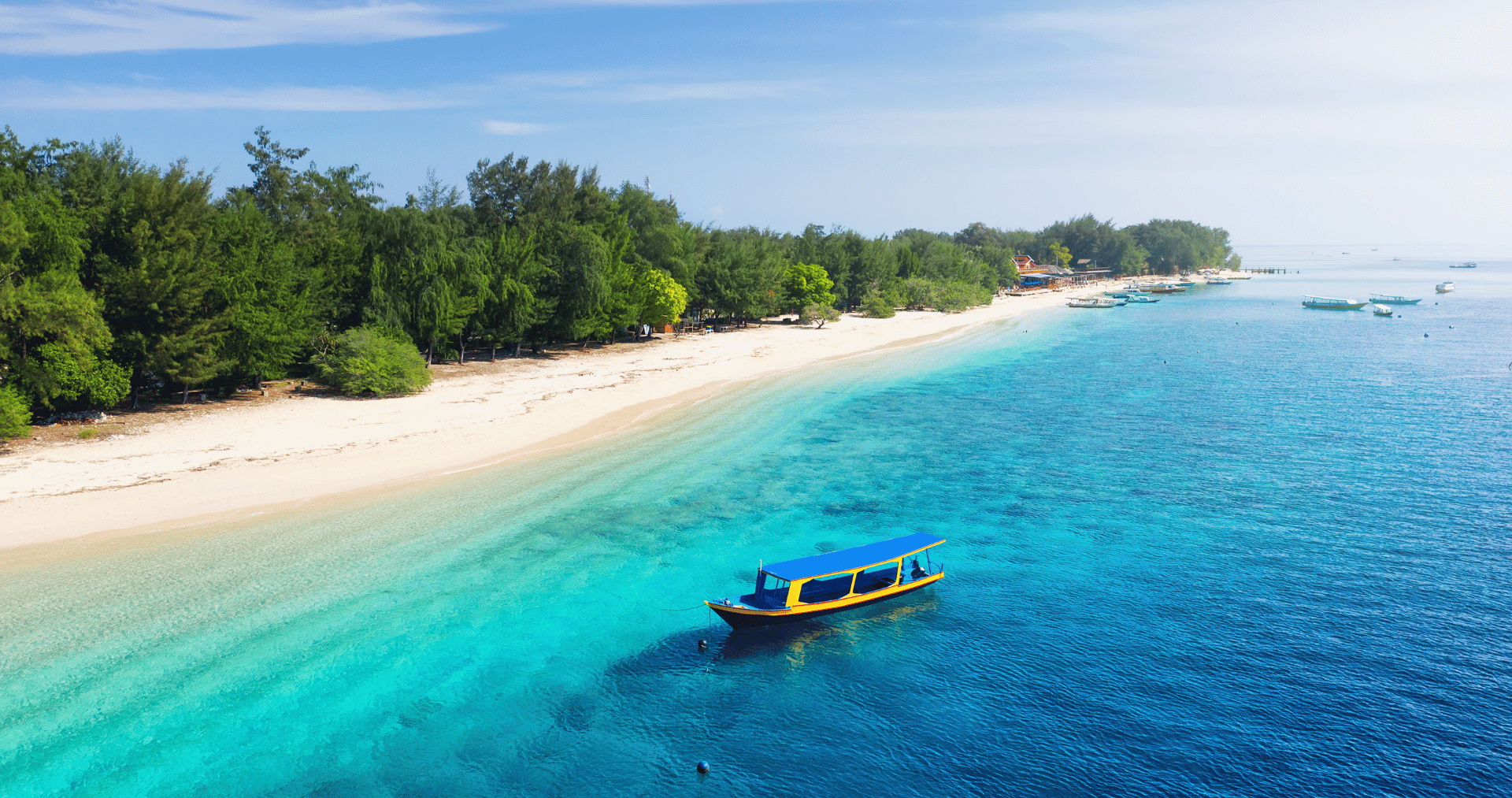
For NTB, this momentum strengthens its positioning as one of Indonesia’s most promising emerging tourism regions, capable of supporting lifestyle-led travel, longer stays, and repeat visitation.
As North Lombok continues to mature, its role is becoming clearer: not just a place to visit, but a destination that reflects how Indonesia’s next phase of tourism growth may unfold measured, sustainable, and rooted in place.


%402x%20(dark).svg)
%402x%20(dark).svg)

%402x.svg)


