
%402x.svg)
There are years that change a destination slowly, and then there are years that change everything at once. For Lombok, 2026 is shaping up to be the latter. Two major developments, one in the air, and one in policy are setting the stage for a new era of tourism, investment, and international attention.
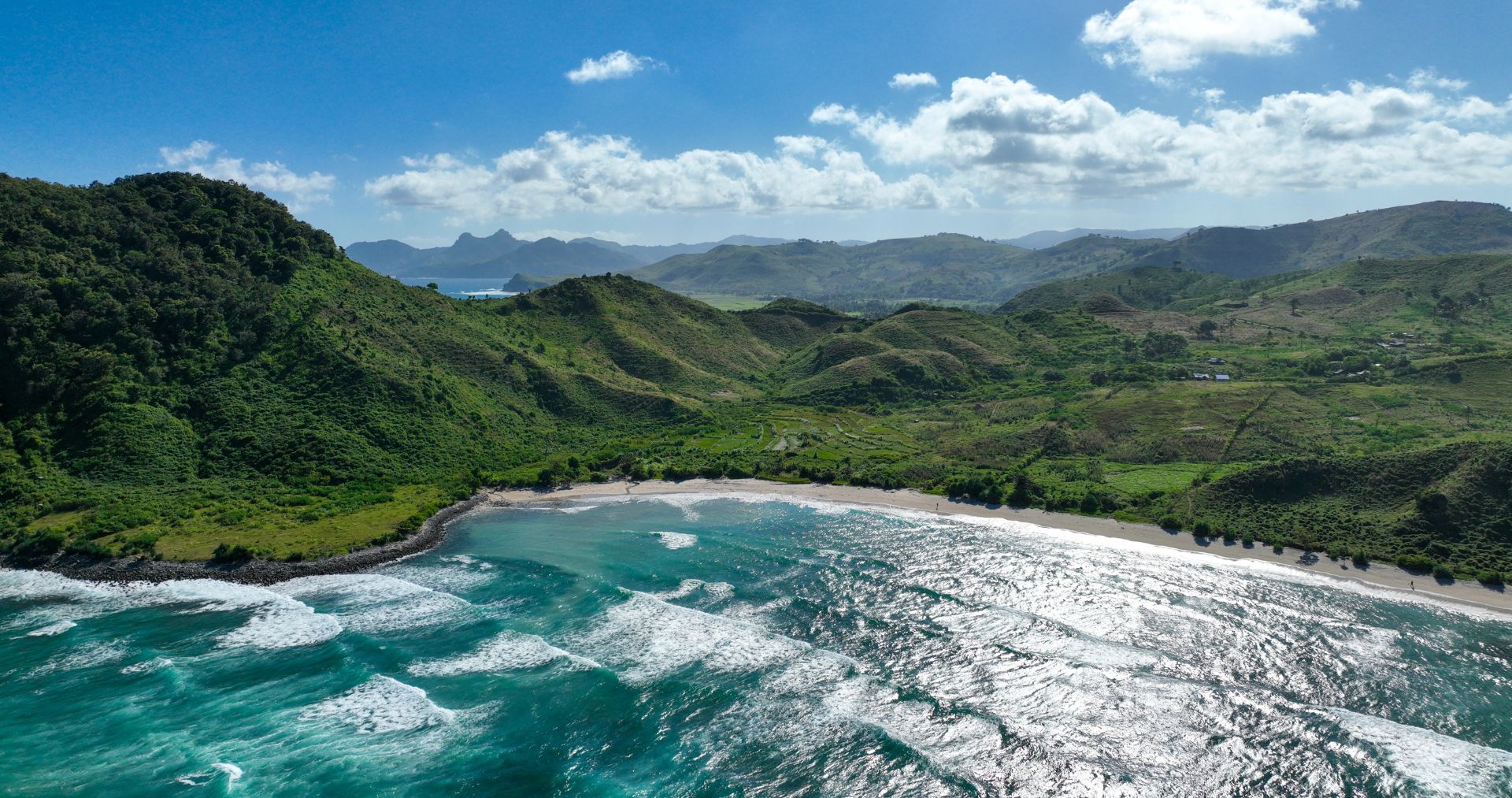
On one hand, Lombok International Airport has announced its readiness to support a potential long-haul route connecting Indonesia and Türkiye. On the other, Indonesia has introduced a new investment regulation that makes it significantly easier and more affordable for foreigners to build businesses, own assets legally, and participate in the country’s growing hospitality and real estate sectors.
Individually, these developments are meaningful.
Together, they form a powerful message:
Lombok is becoming more accessible, more investible, and more globally connected than ever before.
For investors watching the island’s steady rise, this is the moment worth paying attention to.

The Shift in the Sky: Lombok Moves Toward Long-Haul Connectivity
Connectivity has always been the quiet engine behind tourism growth. When an island becomes easier to reach, everything changes — visitor numbers, investor appetite, business potential, and the pace of development.
That’s why the recent announcement from Lombok International Airport matters so much.
Following a bilateral aviation agreement between Indonesia and Türkiye, the airport confirmed its operational readiness to support a new international route between the two nations. This isn’t a small step. Türkiye led by its Istanbul hub is one of the most important crossroads between Europe, the Middle East, and Central Asia. A route connecting Lombok to Istanbul, even indirectly, expands the island’s reach dramatically.
.jpg)
The readiness comes as Lombok continues to record steady year-on-year growth in foreign arrivals. Airport upgrades over the past two years including expanded apron capacity, strengthened runway systems, and enhanced terminal facilities have been tested during large-scale international events like the MotoGP at Mandalika Circuit. These events proved Lombok can handle high-volume, high-pressure passenger flows with efficiency.
While airlines still require final approvals and no formal schedule has been announced, the framework is now in place. Lombok stands officially recognized among Indonesia’s international gateways alongside Jakarta, Denpasar, Medan, and Manado.
In other words, the door to Lombok is opening wider.
Read More: Indonesia Eases Foreign Investment Rules | BKPM Regulation No. 5/2025 Lowers PT PMA Capital Requirement
Why This Matters for Investors: Long-Haul Routes Bring Long-Stay Travellers
Not all travellers are the same. Long-haul visitors especially from Europe and the Middle East behave differently from short-haul tourists. They stay longer, spend more, seek comfort and privacy, and value nature and authenticity. These are the travellers who look for boutique resorts, serviced villas, wellness retreats, and lifestyle-based accommodation.
A Türkiye–Lombok connection unlocks smoother access for travellers from:
- France
- Germany
- The Netherlands
- Scandinavia
- The U.K.
- Middle East (UAE, Qatar, Saudi Arabia)
- Central Asia via Istanbul
For real estate and hospitality investors, this translates directly into:
- Higher rental yields
- Greater demand for villas and long-stay units
- More premium guest segments
- Stronger interest in destinations like South Lombok
- New opportunities for tourism businesses
This is the kind of shift that can elevate Lombok from a rising market to a globally relevant one.
The Second Shift: Indonesia Quietly Opens the Door Wider for Foreign Investors
As Lombok’s landscape evolves, Indonesia has introduced a second, equally transformative change—one that reshapes how foreign investors can participate in the country’s growth story.
Under the latest BKPM update, the minimum paid-up capital for establishing a foreign-owned company (PT PMA) has been reduced to:
IDR 2.5 billion
(previously IDR 10 billion)
This is more than an administrative update. It signals a deliberate move to welcome serious investors—particularly those in real estate, hospitality, tourism, and villa development—without imposing unnecessary financial barriers at the point of entry.
Crucially, the reform maintains safeguards that ensure the credibility of foreign-owned businesses:
- The total investment plan of IDR 10 billion per business line remains in place, preserving the requirement for genuine operational capacity.
- Paid-up capital is expected to remain available for at least twelve months, reinforcing strong governance.
- Smaller-scale hospitality and lifestyle ventures now gain realistic access to full legal establishment without the previous capital pressure.
For investors evaluating Lombok, these changes are particularly meaningful.
Why Lombok Stands to Benefit More Than Most Destinations
Lombok sits at a rare intersection: still naturally preserved, still affordable, yet rapidly gaining international recognition. It is attracting a growing demographic of investors seeking value, serenity, and long-term upside—rather than speculative hype.
.jpg)
The new PMA framework strengthens this trend in three important ways:
1. Lower Initial Capital → More Investors Can Participate Legally
A paid-up capital requirement of IDR 2.5 billion opens the door for:
- Boutique villa developers
- Eco-resort and wellness operators
- Hospitality entrepreneurs
- Property management firms
- Adventure, surf, and nature-based tourism services
These are precisely the segments shaping Lombok’s evolution today. With lower entry capital, investors can allocate more resources to construction, design, hiring, or land acquisition—where real value is created.
2. Strengthened Legal Ownership and Operational Rights
A PT PMA remains the most secure pathway for foreign investors wishing to participate long-term in Indonesia. It enables:
- Holding HGB (Right to Build) titles
- Operating rentals legally
- Contracting vendors and clients
- Employing staff under one’s own company
- Managing developments and hospitality assets without intermediaries
For villa or mixed-use hospitality projects, this clarity is essential. It ensures that ownership, rentals, and management are aligned under a compliant structure from the beginning.
3. A Timely Reform for a Market Entering Its Ascent Curve
Regulatory easing rarely aligns perfectly with emerging-market timing—but Lombok is currently the exception.
The island is entering a pivotal phase:
- Major infrastructure investments
- Strong government support through the Mandalika Special Economic Zone
- Growing international tourism visibility
- Rising demand for sustainable, experiential living
Lower PMA capital allows investors to step in at the moment when the market is still early—but no longer speculative
4. Lombok's International Events Continue to Expand
MotoGP, Ironman, paragliding championships, ultra-marathons, surfing competitions all continue to bring global footfall and media attention. Increased connectivity and easier investment regulation ensure this momentum is supported.
.jpg)
When Sky Upgrades Meet Policy Upgrades: A New Wave of Opportunity
When major changes happen in transport and investment policy at the same time, markets accelerate.
Here’s what this combination means for Lombok:
More Visitors → More Rental Demand
Long-haul travellers tend to stay longer and prefer higher-quality villa and resort experiences exactly what Lombok is becoming known for.
Easier PT PMA Setup → More Sustainable Projects
Foreign investors can now build professionally, legally, and with confidence without the outdated capital burden.
More International Attention → Higher Land Value Potential
Areas like South Lombok especially Kuta, Selong Belanak, and Pengantap are well-positioned to benefit from rising demand.
Developments such as
👉 Eastern Edge and
👉 Mandala Eco-Resort
align directly with the growing appetite for nature-driven, design-led, hospitality-ready real estate.
Is 2026 the Time to Invest?
If you look at the indicators tourism data, infrastructure development, flight expansion, and regulatory reform the answer increasingly leans toward yes.
- Tourism arrivals rising year-on-year
- International visitor profiles diversifying
- Major events boosting demand
- New flight potential increasing access
- Investment rules becoming more open and structured
- Real estate demand growing, especially in South Lombok
- Land values still below Bali but steadily climbing
Lombok is shifting from “emerging” to “establishing.”
Final Word: Lombok’s Future Is Opening And So Is the Door for Investors
For years, Lombok has been framed as “the next Bali.” But that headline no longer fits. With international connectivity expanding and Indonesia’s investment environment becoming more accessible, 2025 marks a turning point.
This is the year Lombok becomes easier to reach, easier to invest in, and easier to participate in legally, strategically, and sustainably.
If you're exploring villa development, hospitality investment, or residential opportunities in South Lombok, now is the time to step in with clarity and confidence.


%402x%20(dark).svg)
%402x%20(dark).svg)

%402x.svg)


